
Regular inspections are essential to prevent costly breakdowns and inefficient operation. Many experts recommend scheduling these inspections twice a year: once in spring to prepare the air conditioning system for warmer months and again in fall to ready the heating system for colder weather. These checks help ensure that your HVAC equipment runs safely and effectively throughout the year. They also provide an opportunity to identify minor issues before they escalate into major repairs.
Costs for a comprehensive HVAC inspection usually range between $100 and $300 depending on the system’s size and complexity. Investing in these preventive evaluations can lead to long-term savings by catching minor problems before they escalate. Understanding what to look for during an inspection empowers homeowners to maintain their HVAC systems properly and extend their lifespan. In addition, a well-maintained HVAC system can improve indoor air quality and reduce energy consumption, making it a smart investment for both comfort and efficiency.
Beyond cost savings and comfort, a thorough inspection promotes safety by identifying potential hazards such as electrical faults or refrigerant leaks. These dangers, if left unaddressed, can pose serious risks to occupants and property. Having a professional assess your HVAC system ensures compliance with safety standards and peace of mind that your home’s heating and cooling systems operate without threat of malfunction or harm.
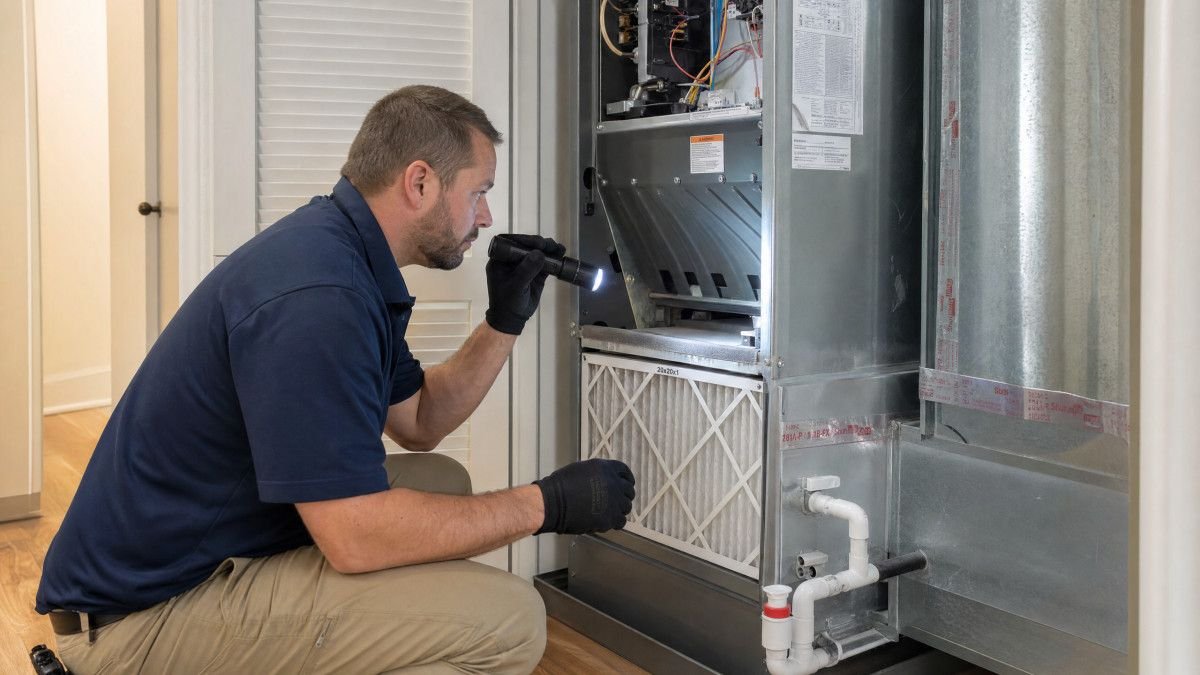
Key Components Inspected During an HVAC System Check
An HVAC system inspection focuses on several critical components that influence system performance and safety. These include the thermostat’s accuracy, electrical wiring integrity, air filter condition, refrigerant charge, condensate drainage, duct system integrity, safety controls, and lubrication of moving parts. Each element plays a role in ensuring the system operates efficiently and reliably.
The thermostat is tested to verify it correctly controls the temperature, preventing energy waste or discomfort. Electrical connections are examined to avoid shorts or hazards caused by loose or corroded wiring. Filters are checked for dirt and clogging, which restrict airflow and decrease efficiency. Refrigerant levels are measured to detect leaks or undercharging, which impair cooling performance. Additionally, the condensate drain is inspected to ensure proper removal of moisture that can damage components or cause mold growth. Ductwork is assessed for leaks or damage that lead to energy loss. Finally, safety controls and lubrication of motors and fans are reviewed to maintain safe and smooth system operation.
Inspectors also evaluate the blower assembly to confirm it moves air efficiently without obstruction or excessive noise. The heat exchanger is carefully checked for cracks or corrosion that could lead to dangerous carbon monoxide leaks. Inspecting the outdoor condenser unit ensures it is free of debris and the fan operates correctly. These additional checks contribute to a comprehensive understanding of system health and help maintain optimal comfort levels and indoor air quality.
Another vital aspect of inspection is verifying the calibration and operation of safety switches and limit controls. These components prevent overheating or unsafe pressure build-up and are essential for protecting both the HVAC system and the home. Technicians may also test the system’s startup cycle and overall responsiveness to commands, ensuring that the equipment reacts promptly to thermostat settings and changes in demand.
Common Issues Found in HVAC Inspections
Many HVAC problems arise from neglect or wear over time. Common issues discovered during inspections include dirty or clogged air filters, which reduce airflow and force the system to work harder. Refrigerant leaks are another frequent problem, leading to inadequate cooling and potential compressor damage. Electrical faults such as loose connections or worn components can cause system failures or fire hazards.
Thermostat malfunctions are also typical, resulting in inconsistent temperatures or system cycling. Aging equipment often shows signs of wear that diminish efficiency and reliability. Identifying these issues during an inspection allows for timely repairs or replacements, preventing complete breakdowns and maintaining indoor comfort levels. Early detection of such problems is crucial for avoiding more expensive future repairs and ensuring safe operation.
Other common problems include blocked or damaged ductwork that compromises airflow, causing uneven heating or cooling throughout the home. Condensate drain blockages can lead to water leakage and mold growth, posing health risks. The outdoor unit may accumulate dirt, leaves, or ice build-up, which impairs heat exchange and reduces performance. Motors and fans may suffer from worn bearings or lack of lubrication, resulting in unusual noises and decreased longevity.
Wear on belts and pulleys is another frequently observed issue, affecting the blower’s ability to circulate air effectively. Additionally, corrosion or rust on coils and other metal parts can reduce efficiency and eventually lead to system failure if not addressed. Recognizing these common problems during an inspection helps homeowners plan necessary maintenance and avoid sudden disruptions in home comfort.
Essential Repair and Maintenance Tasks After Inspection
Once issues are identified, several repair and maintenance actions can restore HVAC system performance. Replacing dirty or clogged air filters is a straightforward yet critical task that improves airflow and indoor air quality. Repairing refrigerant leaks involves locating the source and sealing it, then recharging the system with the correct refrigerant amount to restore cooling capacity.
Fixing electrical connections requires tightening, cleaning, or replacing faulty wiring or components to prevent system failures or hazards. Thermostats may need recalibration to ensure accurate temperature control or replacement if defective. Sealing ductwork reduces energy losses and improves air distribution. Regular lubrication of motors and moving parts minimizes friction and wear, enhancing system longevity and quiet operation. These repairs help maintain a safe, efficient, and comfortable home environment.
Additional maintenance tasks include cleaning the evaporator and condenser coils to improve heat transfer efficiency and prevent system strain. Clearing the condensate drain line avoids water build-up and potential damage. Inspecting and replacing worn belts or pulleys ensures the blower operates smoothly and quietly. Adjusting airflow settings and verifying blower motor amperage helps optimize system performance and reduce energy usage.
Technicians may also perform system calibration, testing startup and shutdown sequences to confirm proper operation. Updating or upgrading safety controls and filters to higher efficiency models can enhance indoor air quality and system responsiveness. These comprehensive maintenance efforts extend the life of the HVAC system and help maintain consistent comfort throughout the home.
Prevention and Best Practices for HVAC Longevity
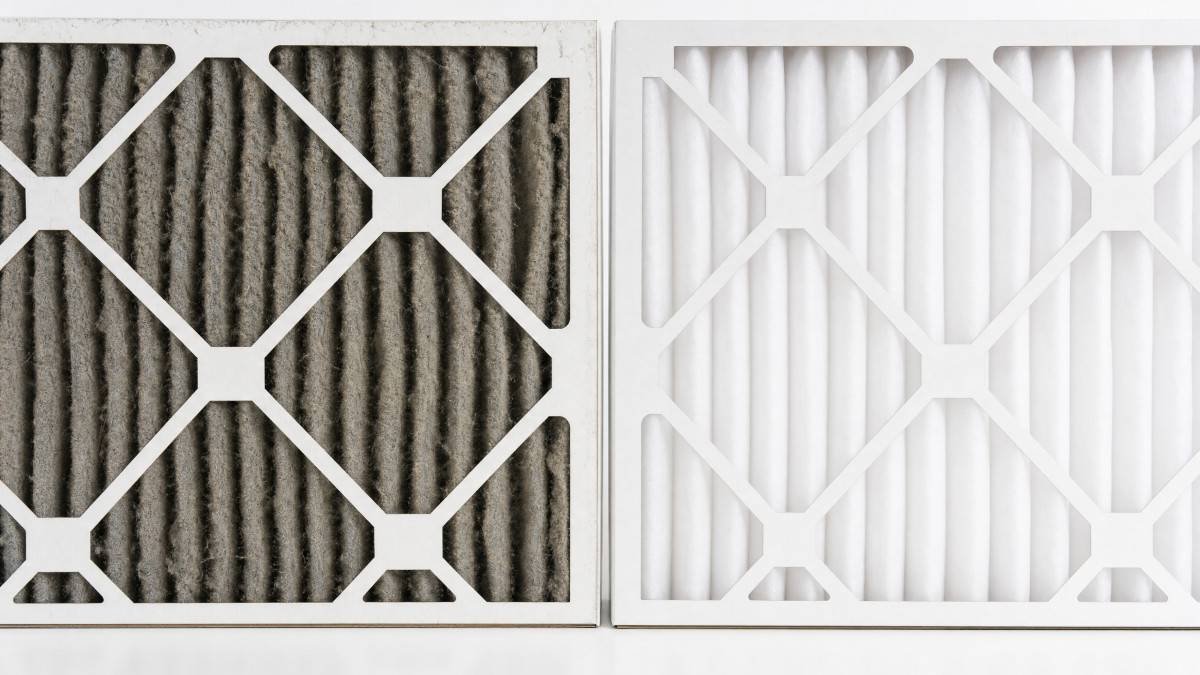
Preventive maintenance is vital to avoid unexpected HVAC failures and maintain system efficiency. Scheduling professional inspections twice yearly—once in spring for the cooling system and once in fall for heating—helps catch developing issues early. Routine filter changes, typically every one to three months depending on use, keep airflow unobstructed and reduce strain on the system.
Keeping the outdoor unit clear of debris, vegetation, and dirt allows proper airflow and efficient operation. Ensuring the condensate drain is free of clogs prevents water damage and mold growth. Following these best practices extends the lifespan of HVAC components, reduces energy consumption, and maintains consistent indoor comfort. Homeowners benefit from lower utility bills and fewer emergency repairs by adopting these habits.
Maintaining proper thermostat settings and upgrading to programmable or smart thermostats can improve system efficiency by reducing unnecessary operation. Sealing and insulating ductwork prevents energy loss and improves the distribution of heated or cooled air. Protecting the system from extreme weather conditions, such as covering the outdoor unit during winter, helps prevent damage and reduces wear.
It is also advisable to monitor system performance by noting any unusual noises, odors, or fluctuations in indoor temperature. Promptly addressing small concerns before they develop into major problems preserves system reliability. Educating household members about basic HVAC care and signs of malfunction supports timely maintenance and contributes to overall system longevity.
Comparison of Common HVAC Inspection Aspects
| Inspection Aspect | Purpose | Common Issues | Typical Fix |
|---|---|---|---|
| Thermostat | Ensures accurate temperature control | Inaccurate readings, unresponsive controls | Calibration or replacement |
| Electrical Connections | Prevents hazards and system failures | Loose wires, corrosion, shorts | Tightening, cleaning, rewiring |
| Air Filters | Maintains airflow and air quality | Clogged, dirty filters | Replacement every 1–3 months |
| Refrigerant Levels | Ensures cooling efficiency | Leaks, low refrigerant charge | Leak repair, recharge |
| Ductwork | Distributes conditioned air efficiently | Leaks, damage, poor sealing | Sealing, repair, insulation |
Frequently Asked Questions About HVAC System Inspections
How often should you inspect an HVAC system?
It is recommended to have an HVAC system inspected twice annually. One inspection in the spring prepares the cooling system for the warmer months, and another in the fall ensures the heating system is ready for colder weather. Regular inspections help maintain performance, safety, and efficiency. Additionally, scheduling inspections with seasonal changes matches the system’s workload cycles, allowing for proactive maintenance before peak demand periods.
What are signs that an HVAC system needs inspection?
Signs indicating a need for inspection include unusual noises such as rattling or grinding, strange odors coming from vents, uneven temperatures in different rooms, and noticeably higher energy bills. These symptoms often point to underlying issues requiring professional evaluation. Other indicators include frequent cycling on and off, poor humidity control, visible dust buildup around vents, and water leaks near the indoor unit.
Can I do an HVAC inspection myself?
Homeowners can perform basic checks like replacing filters and ensuring the outdoor unit is clear of debris. However, a comprehensive inspection of electrical components, refrigerant levels, and ductwork requires professional expertise and specialized tools to ensure safety and accuracy. Attempting complex repairs or diagnostics without training may result in injury or further damage to the system. Therefore, engaging a certified technician for thorough inspections is advisable.
What is the average cost of an HVAC inspection?
The typical cost for a professional HVAC inspection ranges from 100 to 300 dollars. The price depends on factors such as system size, complexity, and location. Investing in inspections can prevent costly repairs and improve system longevity. Some service providers offer maintenance plans that include inspections at discounted rates, providing a cost-effective way to keep your HVAC system in top condition.
Why is regular HVAC maintenance important?
Regular maintenance identifies problems early, enhances energy efficiency, and extends the system’s service life. It helps avoid unexpected breakdowns and keeps indoor comfort consistent. Preventive care also reduces operating costs and promotes safe system operation. Well-maintained HVAC systems contribute to better indoor air quality by reducing dust, allergens, and moisture, which is particularly beneficial for individuals with respiratory conditions.
Conclusion
Understanding what to look for in an HVAC system inspection is crucial for maintaining a safe, efficient, and comfortable home environment. Thorough inspections evaluate critical components such as thermostats, electrical connections, filters, refrigerant levels, and ductwork to detect issues that may affect performance or safety. Regular professional checks combined with preventive maintenance tasks help avoid costly repairs and ensure reliable operation throughout the year. By maintaining your HVAC system properly, you also contribute to reducing energy consumption and environmental impact.
Adopting a proactive approach to HVAC care by scheduling biannual inspections and following best practices like routine filter changes and outdoor unit upkeep can significantly extend the system’s lifespan. This attention to detail ultimately results in improved indoor air quality, greater energy savings, and peace of mind knowing that the heating and cooling systems are functioning as intended. Consistent care not only protects your investment but also enhances the overall comfort and safety of your home for years to come.