
The Power of Steam Cleaning
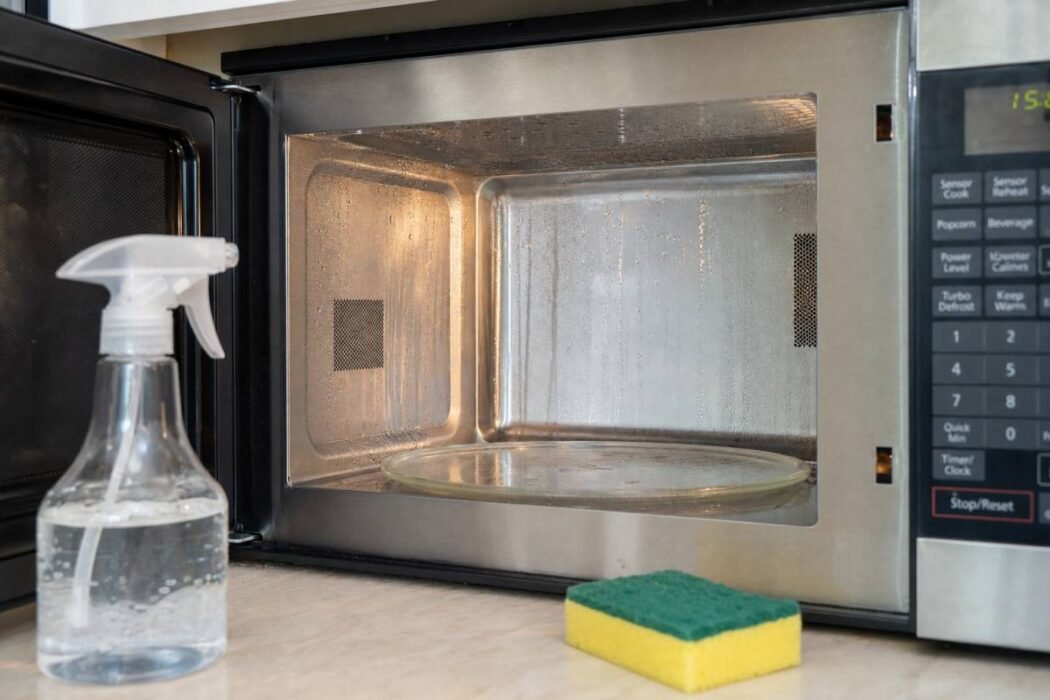
The secret to cleaning a microwave easily is steam. Microwaving a liquid creates steam that softens and loosens baked-on food, making it easy to wipe away.
Method 1: The Lemon and Water Hack
This is the most popular and pleasant-smelling method for cleaning a microwave. Lemon juice cuts through grease, and the essential oils in the rind leave a fresh scent.
- Prepare the bowl: Fill a microwave-safe bowl with about 1 cup of water.
- Add the lemon: Cut a lemon in half, squeeze the juice into the water, and drop the lemon halves into the bowl.
- Microwave: Place the bowl in the microwave and heat on high for 3 to 5 minutes, or until the water comes to a rolling boil and the window is steamed up.
- Let it sit: Do not open the door immediately. Let the bowl sit inside the closed microwave for 5 minutes. The trapped steam will continue to loosen the grime.
- Wipe it down: Carefully remove the hot bowl. Use a damp microfiber cloth or sponge to wipe down the interior—the ceiling, sides, and door. The mess should wipe away effortlessly.
Method 2: The Vinegar Solution
If you don’t have a lemon, white vinegar is an excellent alternative. It is highly effective at cutting through tough grease and neutralizing strong odors.
- Prepare the solution: Mix 1 cup of water and 2 tablespoons of white vinegar in a microwave-safe bowl.
- Microwave and wait: Heat on high for 5 minutes, then let it sit with the door closed for another 5 minutes.
- Wipe clean: Remove the bowl and wipe the interior clean. The vinegar smell will dissipate quickly.
| Cleaning Agent | Best For | Scent |
|---|---|---|
| Lemon & Water | General cleaning, light grease | Fresh citrus |
| White Vinegar | Heavy grease, strong odors | Vinegar (dissipates) |
| Baking Soda | Stubborn stains, gentle scrubbing | Neutral |
Tackling Stubborn Stains and Spills
Sometimes, steam alone isn’t enough for a spill that has been baked on repeatedly.
The Baking Soda Paste
For tough spots, baking soda acts as a gentle, non-abrasive abrasive.
- Make a paste using 2 parts baking soda to 1 part water.
- Apply the paste directly to the stubborn stain and let it sit for 5 minutes.
- Scrub gently with a damp sponge and wipe clean.
Cleaning the Turntable and Door
The Turntable: The glass turntable and the roller ring underneath should be removed and washed in the sink with warm, soapy water. Most glass turntables are also dishwasher safe.
The Door: The inside of the door can be wiped down during the steam cleaning process. For the outside of the door and the control panel, use a damp cloth with a tiny drop of dish soap, or a specialized stainless steel cleaner if your microwave has a stainless finish. Avoid spraying cleaner directly onto the control panel, as liquid can seep behind the buttons and cause electrical issues.
Eliminating Lingering Odors
If your microwave smells like burnt popcorn or strong spices even after cleaning, try the baking soda deodorizer. Place an open box or a small bowl of baking soda inside the microwave and leave it overnight (make sure the microwave is off). Baking soda naturally absorbs and neutralizes odors.
Frequently Asked Questions
Can I use bleach to clean my microwave?
No. Bleach is a harsh chemical that can damage the interior of the microwave and leave behind toxic residue that could contaminate your food. Stick to natural cleaners like vinegar, lemon, and baking soda.
How often should I clean my microwave?
It is best to wipe down the interior once a week, or immediately after a major spill. A deep steam clean should be done once a month to prevent buildup and odors.
Why is the inside of my microwave peeling?
Peeling paint or coating inside a microwave is usually caused by excessive moisture or age. If the metal underneath is exposed, it can cause arcing (sparking) during use, which is a fire hazard. If the interior is peeling significantly, it is time to replace the microwave.
Can I put metal in the microwave to clean it?
Absolutely not. Never put metal bowls, utensils, or aluminum foil in the microwave, as it will cause sparking and can start a fire or destroy the appliance. Always use microwave-safe glass or ceramic bowls for the steam cleaning methods.
How do I clean the grease filter underneath my over-the-range microwave?
Over-the-range microwaves have grease filters underneath. Remove the filters and soak them in a sink filled with hot water, dish soap, and a half cup of baking soda for 15 minutes. Scrub gently, rinse, and let them dry completely before reinstalling.
Conclusion
Keeping your microwave clean doesn’t require intense scrubbing or expensive chemical cleaners. By harnessing the power of steam with simple ingredients like lemon or vinegar, you can effortlessly wipe away grease and grime. Regular, quick cleanings will keep your microwave hygienic, odor-free, and operating efficiently.