
The Case for Hardwood in High-Traffic Areas
Hardwood flooring is timeless, warm, and adds significant resale value to a home. However, not all hardwood is created equal when it comes to handling heavy traffic.
Pros of Hardwood:
- Aesthetics and Warmth: Hardwood provides a classic, inviting look that never goes out of style. It is physically warmer underfoot than tile and softer to stand on for long periods.
- Resale Value: Solid hardwood is highly sought after by homebuyers and generally yields a higher return on investment than tile.
- Refinishing: Unlike tile, solid hardwood (and high-quality engineered hardwood) can be sanded and refinished multiple times to remove scratches and dents, effectively looking brand new again.
Cons of Hardwood:
- Susceptibility to Scratches: High heels, pet claws, and dragged furniture will scratch hardwood. Softer woods like pine or fir will dent easily; harder woods like oak, hickory, or maple fare better but are not impervious.
- Moisture Sensitivity: Hardwood and water do not mix. Spills must be wiped up immediately. It is generally not recommended for bathrooms or mudrooms where standing water is common.
- Maintenance: Hardwood requires regular sweeping and specific wood cleaners.
Best Hardwood for High Traffic: If you choose hardwood, opt for a hard species (like Hickory or White Oak), a matte or satin finish (which hides scratches better than glossy finishes), and a distressed or hand-scraped texture (which camouflages wear and tear).
The Case for Tile in High-Traffic Areas
Tile—specifically porcelain or high-quality ceramic—is the undisputed champion of durability and moisture resistance.
Pros of Tile:
- Extreme Durability: Porcelain tile is incredibly dense and hard. It is highly resistant to scratches, dents, and stains. It can easily withstand large dogs, heavy boots, and dropped items.
- Waterproof: Tile is impervious to water, making it the ideal choice for kitchens, bathrooms, entryways, and mudrooms.
- Low Maintenance: Tile is very easy to clean. Sweeping and occasional mopping with water and a mild detergent are usually all that is required.
Cons of Tile:
- Cold and Hard: Tile is cold underfoot (unless installed over radiant heating) and unforgiving to stand on for long periods. Dropped glass or dishes will almost certainly break.
- Grout Maintenance: While the tile itself is stain-resistant, the grout lines between the tiles are porous and can stain or discolor over time if not properly sealed and maintained.
- Difficult to Repair: If a tile does crack or chip (usually due to improper installation or a very heavy dropped object), replacing a single tile is a difficult and messy process.
| Feature | Hardwood | Porcelain Tile |
|---|---|---|
| Scratch Resistance | Moderate to Low | Very High |
| Water Resistance | Low | Very High |
| Comfort Underfoot | High (warm, softer) | Low (cold, hard) |
| Maintenance | Moderate | Low (except grout) |
| Lifespan | 50+ years (with refinishing) | 50+ years |
The Compromise: Wood-Look Tile
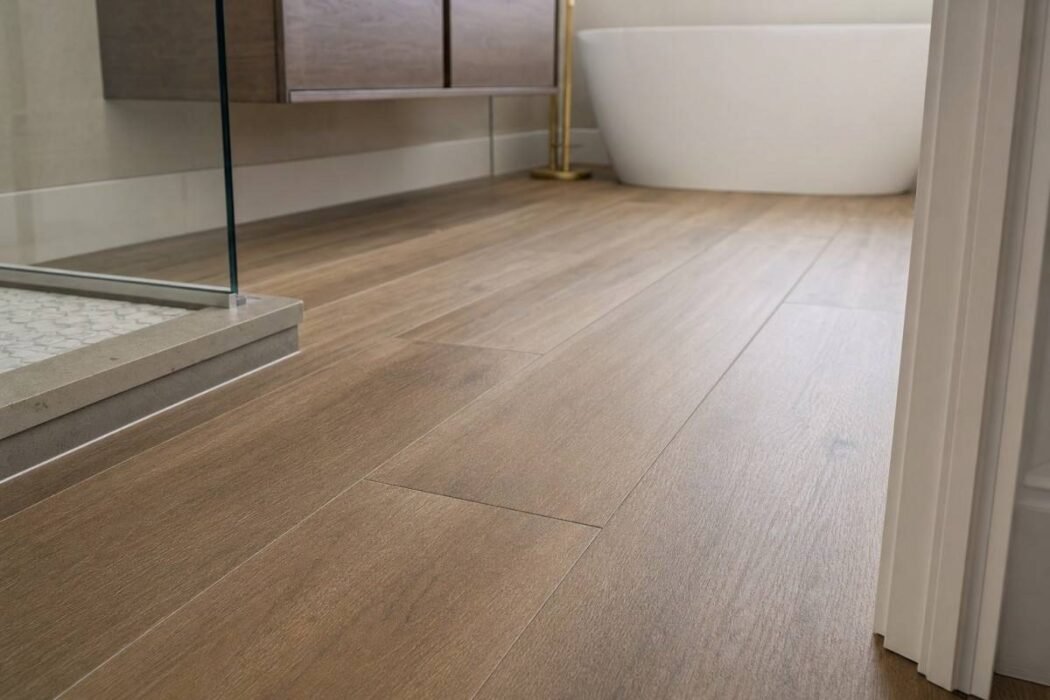
If you love the look of hardwood but need the indestructible nature of tile, wood-look porcelain tile is an excellent compromise. Modern manufacturing techniques have created porcelain tiles that mimic the grain, color, and even the texture of hardwood with astonishing realism. You get the aesthetic warmth of wood with the waterproof, scratch-proof durability of tile.
Frequently Asked Questions
Is engineered hardwood better than solid hardwood for high traffic?
Engineered hardwood is more dimensionally stable than solid hardwood, meaning it handles changes in humidity better. However, its scratch resistance depends entirely on the hardness of the top veneer layer and the quality of the factory finish. High-quality engineered wood performs similarly to solid wood in traffic.
Does tile add as much resale value as hardwood?
Generally, no. While high-end tile in a kitchen or bathroom is expected and valued, hardwood is universally preferred in living areas, dining rooms, and bedrooms.
How do I protect hardwood floors from dogs?
Keep your dog’s nails trimmed regularly. Place area rugs or runners in the highest traffic zones (like hallways). Choose a harder wood species with a matte finish and a wire-brushed texture to hide inevitable scratches.
Is ceramic or porcelain tile better for high traffic?
Porcelain is better. Porcelain is fired at a higher temperature than ceramic, making it denser, harder, and less porous. It is significantly more durable and water-resistant than standard ceramic tile.
Can I put hardwood in a kitchen?
Yes, hardwood in kitchens is very popular for creating a seamless flow in open-concept homes. However, you must be diligent about wiping up spills immediately and placing mats near the sink and dishwasher to protect the wood from water damage.
Conclusion
The choice between hardwood and tile for high-traffic areas comes down to your priorities. If you prioritize warmth, timeless aesthetics, and the ability to refinish the floor decades later, hardwood is the better choice—provided you are willing to accept some scratches as “character.” If you prioritize absolute durability, water resistance, and low maintenance, porcelain tile is the clear winner.