
The Changing Landscape of Home Audio
Over the last few decades, the way we experience sound at home has transformed dramatically. What once began as simple radios and record players has evolved into sophisticated home entertainment systems designed to replicate cinema-quality audio in our living rooms. At the heart of this evolution are home entertainment speakers, which now serve as the cornerstone for immersive auditory experiences. No longer just functional devices, modern speakers combine high-fidelity sound with innovative design, offering both performance and style.
Home audio has always reflected broader technological trends. Early sound systems were bulky and limited in quality, but advances in electronics, speaker design, and connectivity have steadily elevated the at-home listening experience. Today, consumers expect more than clear sound—they seek seamless integration, aesthetic appeal, and the ability to create customised audio environments throughout their homes.
Technological Advancements Shaping Speakers
One of the main drivers behind the rise of modern home speakers is digital technology. Digital audio allows for greater precision and clarity, enabling speaker designers to craft devices that reproduce sound with exceptional accuracy. High-quality amplifiers, durable driver materials, and advanced acoustic engineering now allow even compact speakers to deliver impressive sound output.
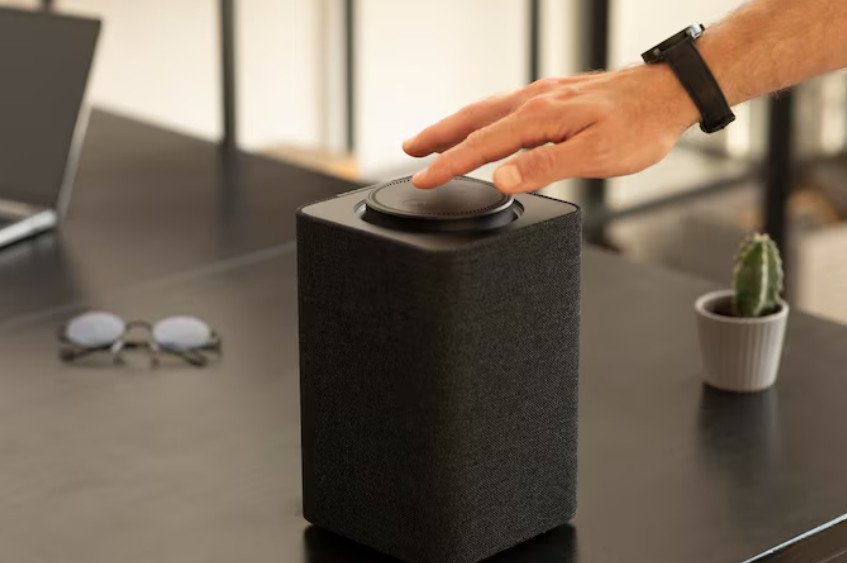
Wireless technology has further revolutionised home audio. Bluetooth and Wi-Fi connectivity enable speakers to connect effortlessly to smartphones, tablets, and home networks. This wireless approach eliminates the clutter of traditional wired setups and allows users to control multiple devices from a single app. Additionally, smart home integration has made voice-controlled audio a reality, offering hands-free operation for music playback, streaming, and home cinema control.
Design Matters: Form Meets Function
Modern speakers are not just about sound—they are an essential element of interior design. Consumers increasingly demand products that complement their home decor. Speakers now come in sleek, minimalist forms, offering finishes and colours that blend with furniture and living spaces. Soundbars, for example, have grown in popularity because they provide surround sound without requiring multiple bulky speakers around a room. Their unobtrusive design appeals to those who want high-quality audio without compromising on aesthetics.
Speaker ergonomics and placement flexibility have also improved. Adjustable stands, wall mounts, and compact wireless designs allow users to position speakers optimally for the best audio experience. This attention to design ensures that sound quality is maximised while maintaining the visual harmony of the space.
Creating a True Home Cinema Experience
The modern concept of home cinema relies heavily on high-quality speakers. Formats like Dolby Atmos and DTS:X have made it possible to recreate multidimensional soundscapes, immersing listeners in audio environments previously confined to movie theatres. These systems position sound in three dimensions, making explosions, music, and dialogue feel more real and dynamic.
Proper speaker placement enhances this cinematic effect. Strategically positioning speakers ensures clear dialogue, precise sound staging, and accurate bass response, which together transform viewing and listening experiences. From action films to immersive documentaries, high-quality speakers bring content to life in ways that standard audio setups cannot match.
The Emergence of Multi-Room Audio Systems
Another significant trend is the development of multi-room audio systems. These allow different audio streams to play in separate rooms or a single track to play synchronously throughout the house. Multi-room setups provide users with complete control over their home’s sound environment, creating a seamless listening experience from the living room to the bedroom.
Modern speakers capable of integrating into these systems often come with intuitive apps, allowing users to manage audio settings, streaming sources, and speaker groups effortlessly. This connectivity makes it easy to personalise audio for various moods, occasions, and household activities, transforming home entertainment into a fully customised experience.
Advanced Audio Processing for Clarity and Depth
High-quality speakers rely on sophisticated audio processing to deliver optimal sound. Signal processing, noise reduction, and voice amplification all contribute to clearer, richer audio. Advances in amplification technology allow for powerful output without consuming excessive energy, making modern speakers more efficient than ever.
These improvements ensure consistency across all types of audio content. Whether enjoying music, watching films, or playing video games, listeners can expect a dynamic and immersive experience. Subtle details, from quiet background sounds to booming sound effects, are reproduced faithfully, enhancing the overall sensory impact.
Integration with Streaming Platforms and Smart Devices
Digital streaming has become the primary mode of consuming music and media for many households. Home entertainment speakers now connect seamlessly with platforms like Spotify, Apple Music, and various internet radio services. Voice assistants such as Amazon Alexa and Google Assistant expand this functionality, enabling hands-free control of playlists, volume, and playback.
Smart integration means users can manage entire audio ecosystems using voice commands or mobile apps. Speakers now act as central hubs for music, podcasts, and even home automation, offering convenience and versatility beyond traditional audio output.
Durability, Longevity, and Sustainability
As technology advances, the importance of durable and sustainable designs grows. Modern speakers are built with robust materials, ensuring longevity even with frequent use. High-quality construction, reinforced casings, and energy-efficient components contribute to long-lasting performance while minimising environmental impact.
Consumers increasingly seek products that combine performance with sustainability. Energy-efficient amplifiers, recyclable materials, and minimalistic packaging reflect the industry’s response to environmentally conscious buyers. This approach ensures that innovation does not come at the cost of responsible production.
The Future of Home Entertainment Speakers
Looking ahead, home audio is expected to continue evolving rapidly. Greater customisation options will allow listeners to tune sound profiles to their precise preferences. Integration with artificial intelligence could enable adaptive audio, adjusting sound dynamically based on room acoustics or content type. Wireless connectivity, battery life, and portability will improve further, making it easier than ever to enjoy high-quality audio in multiple settings.
Sustainability will remain a focus, with materials, power efficiency, and production methods continuing to evolve. Designers will balance aesthetics, performance, and environmental responsibility, producing speakers that are as visually appealing as they are technically advanced.
Conclusion: Audio as the Heart of Home Entertainment
Home entertainment speakers have come a long way, from simple radios to sophisticated systems capable of immersive cinematic sound. Modern speakers combine advanced audio technologies, wireless connectivity, smart integration, and thoughtful design, making them essential components of any contemporary living space.
They provide more than sound—they create experiences, shape the atmosphere of a room, and connect users with music, media, and entertainment in richer, more dynamic ways. As technology continues to advance, the future of home audio promises even more innovation, ensuring that our living rooms will remain at the cutting edge of immersive sound.
Home entertainment speakers are no longer optional—they are central to the modern home experience, transforming ordinary spaces into arenas of sound and sensation.