
Palm Beach County is adding rooftops faster than you can order a Cuban coffee. More than 1,100 brand-new homes are for sale right now, and the typical listing lasts just under 12 weeks before a buyer claims the keys (see Realtor.com new-construction listings).
Those numbers signal two shifts: 1) supply is finally catching up, giving you options instead of bidding wars; 2) builders are competing for your signature with rate buydowns, closing-cost credits and finish upgrades. When mortgage rates hover near seven percent, every incentive matters.
Florida’s updated 2024 building code also raised wind ratings and roof ties, so new homes shrug off hurricane season and often earn lower insurance quotes. Add the state-mandated one-year builder warranty and it is easy to see why many locals choose new construction over resale.
This guide walks you from curiosity to closing. We start with a quick market snapshot, spotlight the headline builders and their neighborhoods, then show you how to scout land, navigate permits, line up financing and protect your investment after move-in.
Think of it as a friendly, fluff-free roadmap. Let’s dive in and set the foundation for your next chapter.
Palm Beach County new-construction snapshot
Stand on any rise west of the Turnpike and you will see roofs marching toward the horizon. Builders have more than 1,100 brand-new homes on the market today, and those listings stay active for roughly 12 weeks before going under contract, according to Realtor.com data.
Choice leads the story. You will find starter townhomes around $500,000, age-restricted enclaves with pickleball courts and coastal custom estates priced like fine art. That range keeps sales humming across every price band.
Four development pockets drive most of the growth. Westlake—the county’s newest city—anchors thousands of single-family lots beside its adventure park. Farther north, Palm Beach Gardens and Jupiter pour foundations in Avenir and a string of boutique subdivisions. The Agricultural Reserve west of Boynton and Delray attracts 55-plus buyers chasing GL Homes’ latest Valencia sequel. Infill builders also tuck spec houses onto older streets near downtown Lake Worth Beach and West Palm, proof that location still matters in a land-tight market. Fresh launches such as Amara, Everton, Greyhawks Landing and Valencia Del Mar have surfaced in just the past few weeks, expanding the menu almost overnight. For a live, statewide feed of every new build that hits the MLS—including these Palm Beach debuts—see current listings curated by SquareFoot Homes.
Economics set the pace. Mortgage rates hover near 7 percent, so national builders bundle rate buydowns or closing-cost credits into their sticker prices to keep payments manageable. Material costs have settled since the pandemic spike, yet stricter 2024 codes added stronger tie-downs and impact glass. The payoff is a home that stands up to storms and often qualifies for lower insurance than comparable resales.
Taken together, Palm Beach County operates less like one market and more like several micro-markets moving in tandem. Knowing which slice fits your lifestyle and budget is the first win. The next sections profile the builders shaping each pocket and map the steps from lot selection to final inspection.
Top builders and flagship communities
GL Homes: resort living for every chapter
If you have spent more than a weekend house-hunting in South Florida, you have heard the GL name. The local builder dominates the active-adult niche with its Valencia lineup and still courts families with upscale projects like Lotus in Boca Raton.
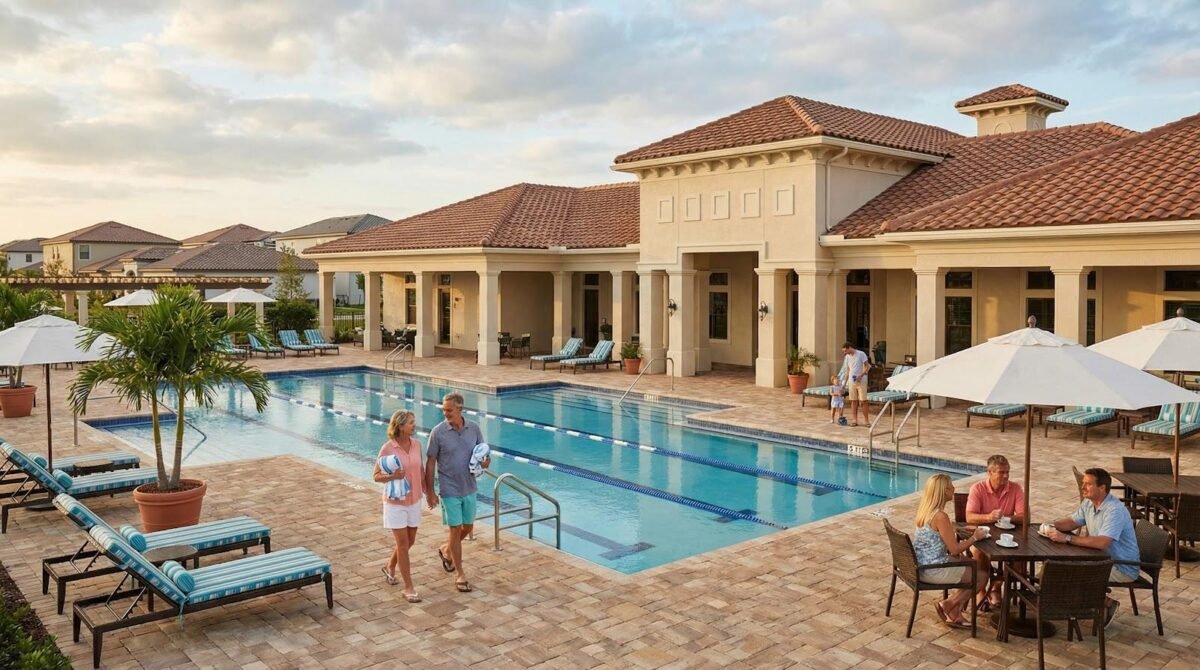
Walk a GL model and two themes pop out. First, even smaller plans greet you with a wide foyer, 10-foot ceilings and sightlines straight to the backyard. Second, each community revolves around a clubhouse that feels like a boutique hotel. Residents meet for brunch, swim laps, then book a massage without leaving the gate.
Pricing starts near $600,000 for a paired villa in Valencia Grand and climbs past $1 million for a lakefront single-family plan with a summer kitchen. Tile roofs, impact windows and generous designer allowances come standard. Buyers who want more sparkle can fold upgrades—think waterfall island or glass-enclosed wine wall—into the contract and keep them under the builder’s warranty.
GL sells through on-site teams, so you get factory-direct insight on timelines and incentives. They often cover a slice of closing costs when you finance through their preferred lender.
Bottom line: if you want a move-in-ready home wrapped in a country-club lifestyle, GL sets the benchmark in Palm Beach County.
PulteGroup / DiVosta: national muscle, neighborhood soul
A national footprint with local fluency keeps Pulte and its DiVosta brand on most shortlists. Seven active projects run from Jupiter to Westlake, each tuned to its zip code. In Avenir, DiVosta leans modern with glass and flat tiles. At Greyhawk Landing, larger lots and three-car garages lure growing families.
Energy efficiency comes baked in. The builder air-seals attics, installs radiant barriers and hides smart wiring behind the walls—touches that lighten utility bills during humid summers.
Pulte’s mortgage arm sweetens the deal with teaser rates or permanent buydowns for quick closings. Expect asking prices around $550,000 for a townhome and up to $800,000 for a four-bedroom single-family, plus any design-studio extras. An online configurator shows real-time pricing, so you can adjust finishes until the budget fits.
Lennar: everything’s included, even momentum
Lennar is the volume leader. When it buys land, it buys by the square mile, then releases townhomes, villas and single-family models built around one rule: include nearly every upgrade in the base price. Stainless appliances, smart thermostats and impact glass arrive installed.
In Palm Beach County, Lennar focuses on Westlake and infill sites near I-95. Entry pricing begins near $420,000 for a two-bed villa and extends toward $800,000 for a two-story plan on water. Closing-cost credits paired with below-market rates from Lennar Mortgage appear in most communities.
For buyers who want firm numbers, few design choices and a quick delivery, Lennar checks the boxes.
D.R. Horton: stretch the budget without cutting corners
Horton leans into affordability with its Express and Freedom lines yet still offers move-up options under the Emerald label. That range lets first-time buyers and downsizers share the same zip code without feeling out of place.
In Palm Beach County, communities such as The Fields near Lake Worth list paired villas from about $400,000 and single-family plans up to $650,000. Floor plans stay efficient, so every square foot works. Standard features include impact glass, quartz counters and energy-smart insulation.
Horton’s lender packages FHA and VA loans with low down payments and often covers most closing costs, letting renters shift into ownership with less cash. Quick-move-in inventory with addresses and delivery dates posts online each Friday.
Kolter Homes: modern design, hometown roots
Kolter grew up in Palm Beach County, and its neighborhoods show it. Rather than reuse national plans, Kolter experiments with clean lines, glassy façades and pocket parks that bring neighbors outside. Drive through Alton or Artistry and you will notice curved streets and rear-load garages that keep front porches people-focused.
Single-family homes in Alton start near $750,000, while a lake-view model with a detached cabana can exceed $1.3 million. That premium includes smooth drywall corners, eight-foot interior doors and a layered lighting package. Energy features—radiant barriers, foam-insulated attics and solar-ready wiring—are standard.
Lot availability and construction milestones appear in real time on the website, so you can track progress without texting a superintendent.
Toll Brothers: boutique luxury at production speed
“Toll” raises eyebrows for good reason. The builder’s architecture photographs like custom work yet follows a proven playbook. In Palm Beach County, that playbook centers on small gated enclaves—Windgate in West Boca, Regency at Avenir for 55-plus owners and Delray Ridge for estate buyers.
Prices start just under $1 million for three bedrooms and climb above $2 million for a coastal contemporary with a four-car garage. Twelve-foot ceilings, solid-core doors and Sub-Zero or Wolf appliance packages come included.
A dedicated project manager walks buyers from blueprint tweaks through weekly photo updates once framing starts. Rather than headline cash credits, Toll offers 12-month rate locks and a pool of design dollars that make splurge tile feel guilt-free.
Local custom builders and architects: tailored from dirt to doorknob
Sometimes only a one-of-a-kind home will do. Maybe you need a motor court for classic cars or a rooftop garden that frames the Intracoastal. Firms such as Steve Cury Construction, RJS Builders and Hobgood Construction each take on only a handful of projects per year, drilling into details production outfits skip.
Coastal lots with strict wind and flood rules can push finished costs above $700 per square foot, and island estates often top $1,000. Banks require stamped plans, signed contracts and larger down payments before funding construction-to-perm loans. Budget a 10 percent contingency for upgrades and unknowns.
The payoff is a home that lives exactly the way you do—no compromise on closet depth, ceiling height or how sunrise fills the breakfast nook.
Finding and vetting vacant lots
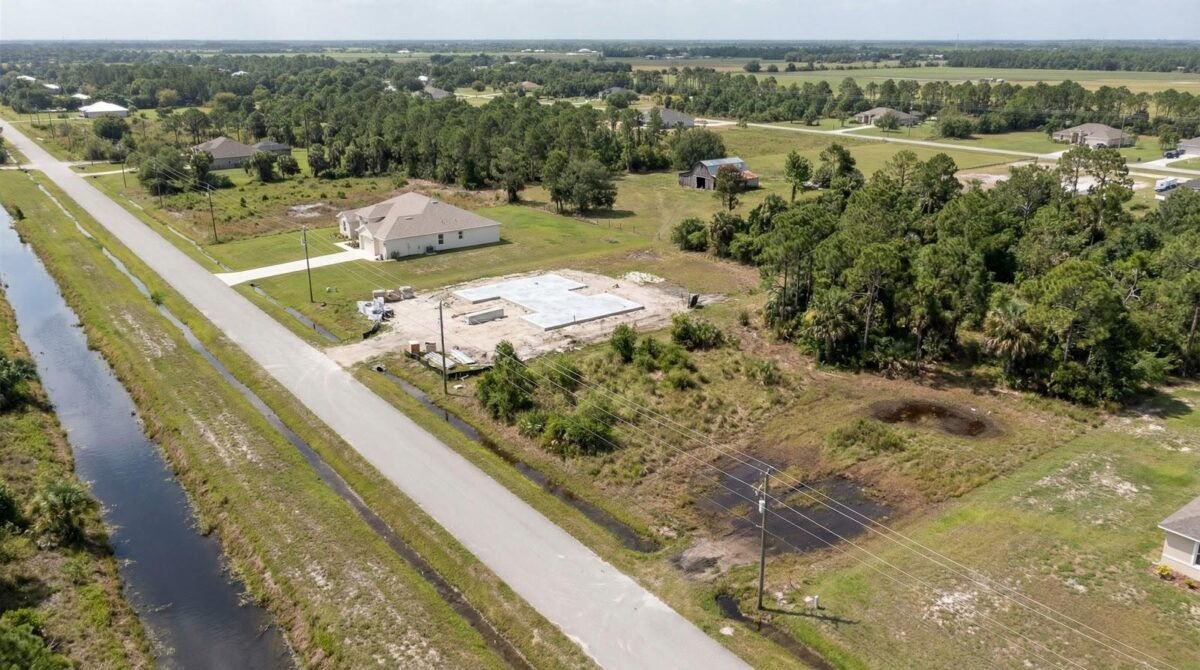
Buying a piece of dirt feels romantic, yet the path from raw land to rising walls is paved with paperwork. Start with the search. Western areas such as Loxahatchee and The Acreage still list acre-plus homesites, while coastal infill lots often trade off-market through agents or county tax auctions. Scanning the MLS “Land/Lots” feed each morning helps, but teaming with a land-savvy Realtor unlocks pocket listings you will never see online.
Once an address catches your eye, zoning is the first gate. Palm Beach County’s map spells out setbacks, height limits and whether chickens or guest suites earn approval. Skip this step and you might buy a parcel reserved for agriculture when you wanted a pool and pergola.
Utilities form the second gate. A city water tap at the curb can save $15,000 or more compared with drilling a well. The same goes for sewer versus septic. Call providers before writing an offer so you know whether you are tapping in or budgeting for tanks, pumps and future maintenance.
Site conditions close the trio. The water table rides high, which means many foundations need temporary de-watering and, at times, pilings. A $1,000 soil test tells you early whether the ground will hold a slab or fight back with muck. Add tree-removal permits, fill dirt and drainage swales—costs that separate the advertised price from the real one.
For lots with prior structures or buried utilities, subsurface scanning adds another layer of clarity. Specialists like Texas Concrete Scanning Services use ground-penetrating radar to map what’s hidden beneath the surface, helping buyers avoid surprises during foundation work.
Here is a quick diligence sprint to run before escrow:
- Pull the parcel’s GIS report and confirm zoning, flood zone and lot dimensions.
- Order a boundary survey; flag easements that pinch the buildable area.
- Walk the lot after a hard rain to spot low points in that pool.
- Call the county permitting to learn whether previous owners filed, then abandoned, any site plans.
Do this homework up front and you eliminate most surprises, clearing the runway for a smooth groundbreaking.
Permitting and inspections roadmap
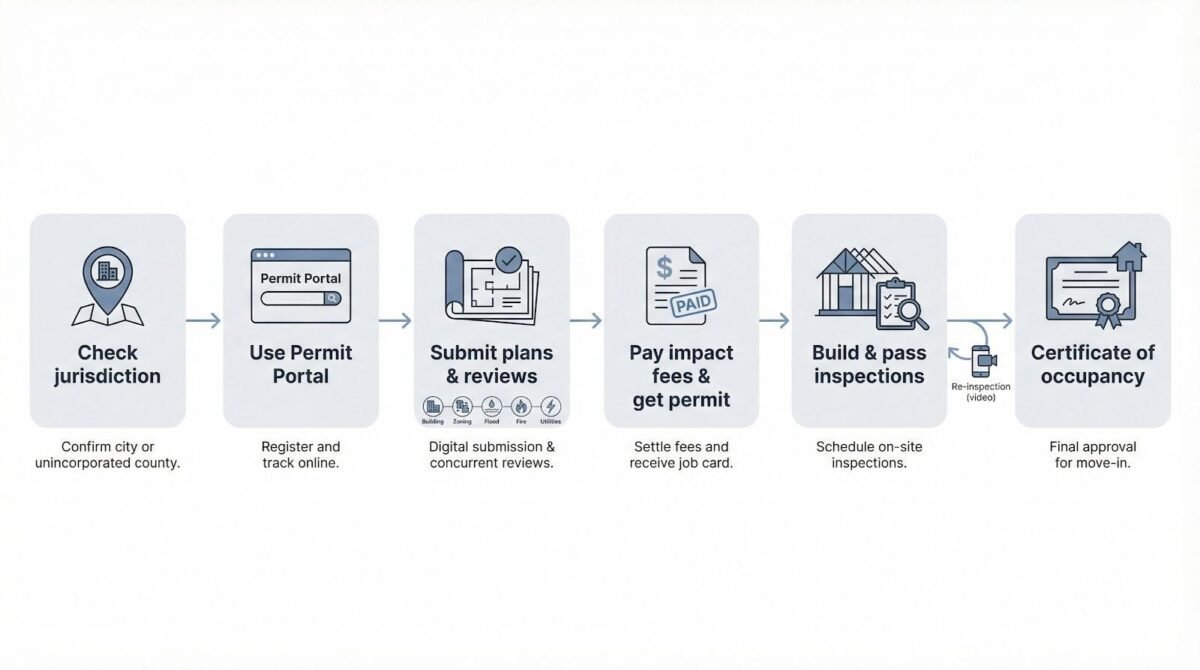
1. Who hands out your permission slip?
Start with jurisdiction. Palm Beach County works like a patchwork quilt. If your address sits inside a city limit—West Palm Beach, Boca Raton or Palm Beach Gardens—you pull paperwork at that city’s building department. Land in an unincorporated pocket such as The Acreage or Jupiter Farms falls under the county Planning, Zoning & Building division.
Finding the right counter once meant phone tag. Today the county’s online Permit Portal lets you type an address, learn which office owns your file and track every review in real time. Ten minutes here can save weeks of delay.
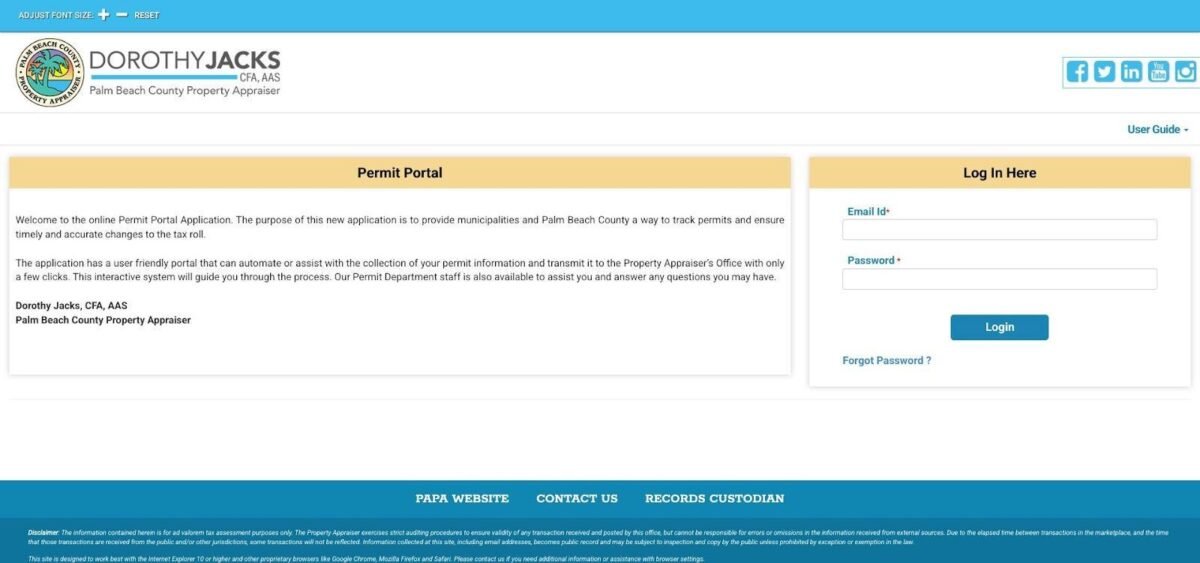
Palm Beach County Permit Portal online interface screenshot
2. Plans, paperwork and the impact fee
Before a shovel turns, you need a full set of signed, sealed drawings: architectural, structural, mechanical, electrical and site. Upload each sheet through the Permit Portal; a missing truss layout can bounce the whole packet back to corrections.
Reviewers from building, zoning, floodplain, fire and utilities open their digital red pens. Straightforward single-family plans clear in 2–4 weeks when no revision is triggered. Coastal or custom builds often cycle through three reviews, so line that timeline up with your construction-loan draws.
Approval feels like a finish line until the invoice appears. The county collects impact fees for roads, parks and schools. A four-bedroom house in unincorporated PBC can exceed $20,000 in combined charges, due before the permit prints. Cities layer on their own schedules, although recent state reform trimmed some traffic reviews inside Palm Beach Gardens.
Pay the invoice, and the system issues your job card—your official permission to start work and a checklist of inspections required for a certificate of occupancy. Post a hard copy on-site and keep a PDF on your phone.
3. Inspections: the march to your certificate
Footers form on day one, so the first visit checks steel, square forms and termite treatment. Pass, and concrete flows. Masonry walls rise to lintel height, earning a strap inspection that verifies hurricane ties and block fill. Framers set trusses, then call for a sheathing-nail check to confirm fastener spacing rated for 170-mph gusts.
Rough electric, plumbing and HVAC share a single window. One fail stalls all three trades, so smart superintendents run a quick pre-inspection walk-through.
Insulation inspection guards your future power bill. Missed batts behind a tub or thin spray foam in the eaves earn a red tag. Drywall follows, then a series of finals—mechanical, electrical, plumbing and finally building.
Palm Beach County now offers remote video for minor re-inspections. Your superintendent video-calls an inspector, measures nail spacing and gets a pass without waiting three more business days. This tech hack alone can shave a week off the build.
Collect each green sticker, upload it to the portal and the system releases the certificate of occupancy. With that PDF, utilities switch to permanent service and the moving truck finally earns the gate code.
Financing your new-construction purchase
1. Builder mortgage vs. construction-to-perm
Choose a finished spec home and the process feels familiar. You sign a purchase contract, send the file to the builder’s in-house lender and lock a 30-year mortgage that funds on closing day. Because the builder wants your signature this quarter, its lender often rolls out discounted pricing—a one-point rate buy-down or a $10,000 closing-cost credit tied to using the preferred title company.
Build on your own lot and the math changes. A construction-to-perm loan releases money in draws: pour the slab, receive a check; frame the walls, receive another. During construction you pay interest only on funds already drawn, so carrying costs start low and rise as the house takes shape. Once the job passes final inspection, the loan converts to a long-term mortgage without a second closing. You will need a larger down payment, a signed builder contract and a line-item budget before the first draw, but you avoid duplicate fees later.
The choice comes down to control versus convenience. Builder mortgages are turnkey but limit design freedom to preset packages; construction-to-perm loans hand you a blank canvas but demand more paperwork and cash on day one.
2. Building a true-cost budget
Sticker price rarely tells the full story. Break the total into five buckets:
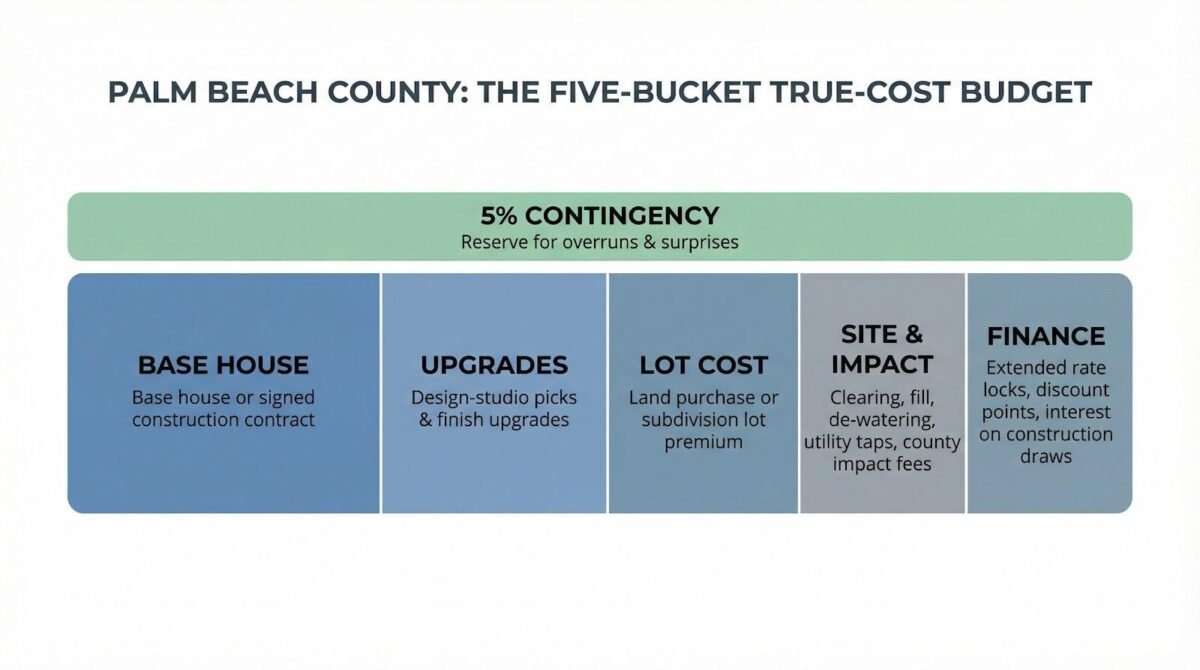
- Base house or signed construction contract — the figure used for the appraisal.
- Upgrade allowance — production builders add premiums for design-studio picks, while custom projects often rise 10–20 percent once buyers choose finishes.
- Lot cost — either a separate purchase or a subdivision premium for depth or water views.
- Site work and impact fees — clearing, fill dirt, de-watering, utility taps and county impact charges often total 10–15 percent of spend.
- Finance costs — extended rate locks, discount points and interest on construction draws.
Add a 5 percent contingency. Finish under budget and you walk into the new kitchen with funds left for furniture.
3. Incentives and programs that stretch dollars
South Florida builders understand that 7 percent mortgage rates sting, so they speak in discounts. The most common carrot is a seller-funded rate buy-down. On a $600,000 purchase, a one-point buy-down can trim about $300 from the first year’s payment—enough to cover HOA dues. Pair that with $5,000–10,000 in closing-cost credits and you keep cash for window treatments and patio furniture.
Florida layers on support through the Hometown Heroes program. Eligible teachers, nurses and first responders can receive up to $35,000 in forgivable down-payment assistance plus a below-market rate when the home becomes a primary residence.
Energy features deliver a quieter rebate: lower insurance. Impact windows, concrete block walls and fortified roofs earn sizable discounts under Florida’s mitigation scoring. Some carriers cut annual premiums by $1,000 or more compared with a similar 1990s resale. Over a decade, that savings rivals any builder freebie and never expires.
Stack builder perks, state assistance and insurance credits, and the cost of “new” starts to overlap “used”—only with warranties and fresh paint included.
New-home warranties and your post-close safety net
1. The statutory one-year guarantee
Florida gives every new-construction buyer a built-in safety net. Since July 1, 2025, state law requires builders to correct any code-related defect in materials or workmanship for 12 months at their own expense. Coverage stays with the home, so a buyer who closes six months after you still benefits from the remaining term, according to Phelps Law.
Most production builders already met or exceeded this rule, yet the statute sets a minimum no contractor can ignore. Drywall cracks, leaky valves or windows that fail wind ratings must be fixed, and the builder must restore finish materials disturbed during repair.
The clock starts the day you take title or move in, whichever comes first. Keep a running list of quirks you notice as seasons change, then order an independent warranty inspection around month 11. A licensed inspector will build a punch list you can email to customer care before the deadline.
2. Beyond year one: systems and structural coverage
Many national builders layer extra protection on top of the first-year promise. The typical ladder looks like this:
- Years 0–1 (workmanship): nail pops, cabinet alignment, minor leaks.
- Years 1–2 (systems): electrical wiring, plumbing lines and HVAC ductwork.
- Years 1–10 (structural): foundation, load-bearing walls and roof framing, often backed by a third-party insurer such as 2-10 Home Buyers Warranty.
These longer terms activate only for serious issues, so owners sometimes forget they exist. Store digital copies of every booklet and register third-party policies within 90 days of closing. If you sell, transfer the paperwork so the next owner inherits the safety net and you retain resale value.
Finally, circle month 11 of year one on your calendar. Hire that independent inspector, submit the punch list before the anniversary and the builder must handle repairs under the statute. Waiting until month 13 can turn small fixes into insurance claims or out-of-pocket work. A $250 inspection today can prevent a $2,000 drywall repair later.
Resources you will bookmark again and again
The county Permit Portal deserves top billing. Enter an address and you will see every permit, inspection note and impact-fee receipt tied to that parcel. Refresh the page at lunch and you will know whether the slab passed compaction before the superintendent calls.
Need a second opinion on anything from soil tests to custom millwork? The Gold Coast Builders Association hosts a member directory filled with licensed contractors, architects and trade specialists who already know Palm Beach County’s code quirks. Check that list before trusting a glossy postcard.
For market reconnaissance, toggle between Realtor.com’s “new construction” filter and NewHomeSource’s community map. One shows live inventory, the other reveals future phases that have not broken ground. Paired together, they show today’s pricing and tomorrow’s pipeline, a useful edge when a sales rep claims “last chance.”
Land hunters should keep the Property Appraiser GIS map open in a second tab. Click any parcel to view owners, lot lines and flood-zone overlays; many buyers spot buildable remnants behind established neighborhoods that never reach the public MLS.
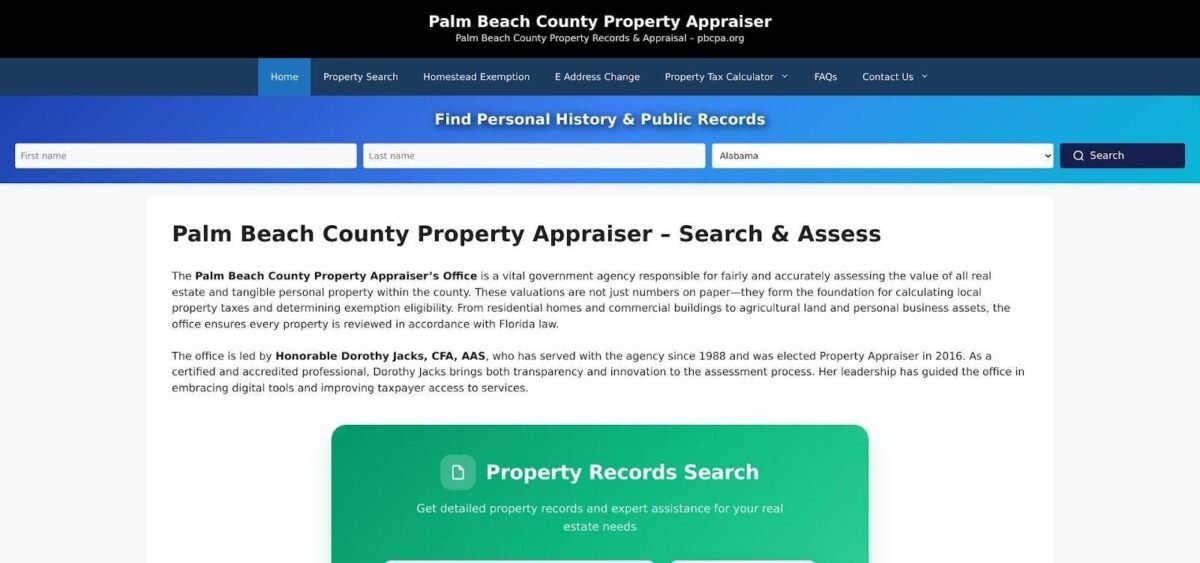
Palm Beach County Property Appraiser GIS map interface screenshot
Finally, finance questions land on local lenders’ construction-loan calculators. Plug in your build budget and timeline to preview draw-phase interest and required reserves. Compare that result with a builder’s preferred-lender quote and you will know in minutes which path costs less over the life of the loan.
Bookmark these five sites, file them under “New Build,” and you will cut hours of guesswork from the journey ahead.