
For a decade, she was married to one of America’s most recognized and controversial public figures. Yet today, Marta Fitzgerald is a name defined less by that past association and more by a deliberate, decisive choice for privacy. While the world remembers the provocative voice that dominated talk radio, the story of the woman who shared his life during a pivotal period remains largely untold. This is the story behind the headlines.
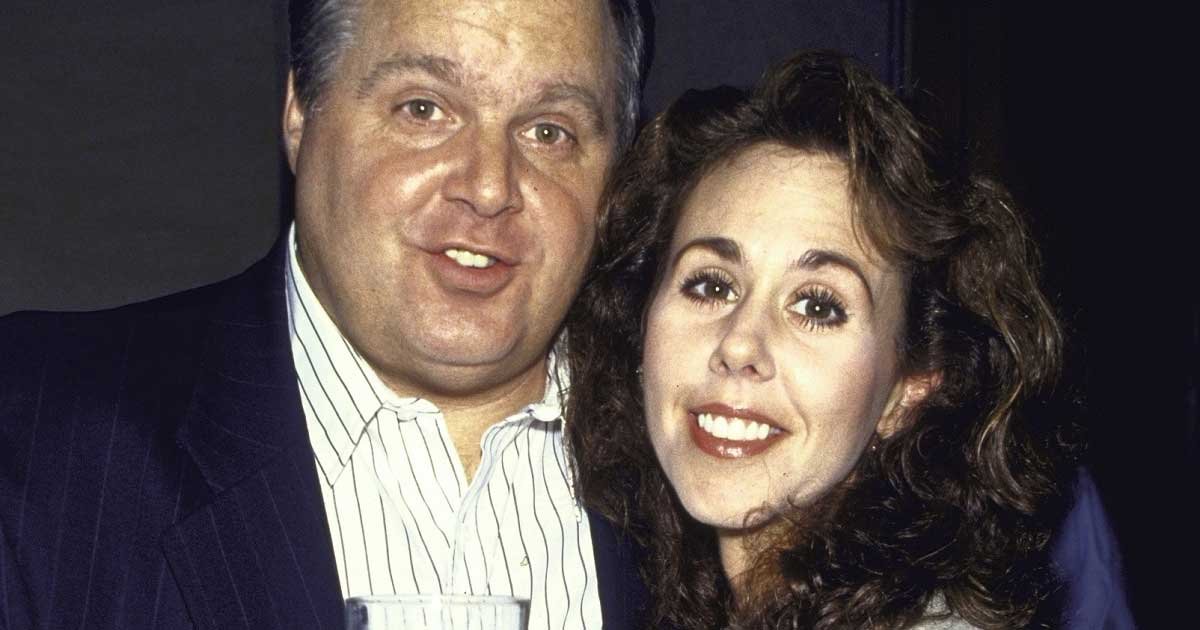
This article offers the most comprehensive look into the life of Marta Fitzgerald. We will explore her journey from a fitness-focused life in Florida to her pioneering online romance with Rush Limbaugh, uncover her often-overlooked entrepreneurial ventures, and understand her quiet, empowered life after their very public divorce. It is a narrative of ambition, adaptation, and the conscious decision to step out of the spotlight.
Who Was Marta Fitzgerald? A Profile Summary
To understand the woman at the center of this story, here is a snapshot of her key biographical details. These facts have been compiled from credible public records and news archives to provide a clear and accurate profile of Marta Maranda Fitzgerald.
| Detail | Information |
|---|---|
| Full Name | Marta Maranda Fitzgerald |
| Date of Birth | December 10, 1960 |
| Birthplace | Titusville, Florida, USA |
| Education | University of North Florida (Degree in Journalism) |
| First Marriage | Tom Fitzgerald (divorced 1992) |
| Children | Two (a son and a daughter from her first marriage) |
| Second Marriage | Rush Limbaugh (m. 1994; div. 2004) |
| Known Career | Aerobics Instructor, Journalism Intern, Magazine Publisher, Designer |
| Estimated Net Worth | ~$5 Million |
| Current Status | Lives privately in Florida |
From Fitness to Publishing: The Career of Marta Fitzgerald
Marta Fitzgerald’s professional life is a compelling story of evolution. Long before she entered the world of talk radio and political commentary, her career began in the burgeoning fitness industry of the 1980s. As an aerobics instructor in Florida, she embodied the energy and health-conscious spirit of the era.
However, her ambitions extended far beyond the fitness studio. Fitzgerald enrolled at the University of North Florida, where she pursued and earned a degree in Journalism. This academic pivot signaled a deeper interest in communication and media. In 1993, she put her education into practice, securing an internship at the Florida Times-Union, a significant step into the world of professional journalism.
Her entrepreneurial spirit truly took flight in the late 1990s. In a move that showcased her drive, Fitzgerald launched two notable ventures that are largely overlooked in most biographical accounts of her life.

Vent Magazine: A Voice for Young Adults
In 1997, Fitzgerald founded Vent, a magazine based in West Palm Beach targeting readers aged 18 to 24. As editor-in-chief and publisher, she created a platform for young voices, curating gripes and observations submitted through its accompanying website. With backing from the Hearst Distribution Group, Vent was an ambitious project. While it only produced a few issues before ceasing publication, it highlighted her unique editorial vision and business acumen in a pre-social-media era when such a concept was genuinely ahead of its time.
The “No Boundaries” Tie Collection: A $5 Million Success Story
In a little-known but highly successful collaboration, Marta designed the “No Boundaries Collection,” a line of neckties for her then-husband, Rush Limbaugh. Launched in 1995, the collection was purely fashion-focused, deliberately avoiding any political themes. By 1996, the brand had achieved remarkable commercial success, with sales exceeding $5 million and distribution in nearly 1,500 retail stores across the country. This venture, overlooked by nearly all biographical accounts, underscores her significant role in building a commercial brand during her marriage and demonstrates a sharp business instinct that went far beyond her public persona.
A Digital Pioneer: How Marta Met Rush on CompuServe
Long before dating apps became the norm, Marta Fitzgerald and Rush Limbaugh connected in a way that was revolutionary for its time. Their relationship began in 1990 on CompuServe, one of the earliest commercial online services in the United States. It was a digital frontier, and their meeting marks one of the first high-profile examples of a romance blossoming through typed messages on a screen.
Marta, then still married to her first husband, initiated contact. Their online correspondence evolved, and after her divorce in 1992, the relationship deepened. This unique, technology-driven courtship culminated on May 27, 1994, when they were married. The ceremony itself was a high-profile affair, held at the Virginia home of U.S. Supreme Court Justice Clarence Thomas, who also officiated the wedding. This union was not just a marriage but a symbol of a new, digitally connected era — one that the rest of the world would not fully embrace for another decade.
The End of an Era: Divorce and Life After the Spotlight
The marriage, which was Rush Limbaugh’s third and longest, came to an end in 2004. In June of that year, Limbaugh announced on his radio show that he and Marta were divorcing. The decision was described as mutual. The separation came at a turbulent time for the radio host, who had admitted just months earlier to an addiction to prescription painkillers, leading to a high-profile investigation and a brief stint in a rehabilitation facility. While the couple stated the issues were separate, the timing placed their personal lives under intense public scrutiny.
The divorce was finalized in December 2004 in a Key West courthouse, with the 22-page settlement agreement sealed from the public. Following the split, Marta Fitzgerald made a conscious and definitive choice to step away from the public eye entirely. She reverted to her maiden name, Marta Maranda Fitzgerald, and settled into a private life in Florida.

This move was not one of obscurity but of empowerment. It was a deliberate decision to reclaim her identity outside the shadow of a celebrity marriage. Today, what is publicly known is that she continues to live a quiet life in Florida, reportedly with some involvement in real estate, successfully guarding her privacy for nearly two decades. For many who search where is Marta Fitzgerald now, the answer is both simple and profound: she is living life on her own terms.
Marta Fitzgerald’s Place in the Rush Limbaugh Story
Marta Fitzgerald’s decade-long marriage to Rush Limbaugh places her in a significant position in his life story. As his third wife, she was by his side during a period of immense professional success and growing political influence throughout the 1990s. She was not merely a spouse but a partner in business ventures, most notably the “No Boundaries” tie collection. Her presence marked a chapter of relative stability in his otherwise tumultuous personal life.
Her decision to maintain a dignified silence after their divorce further distinguishes her from the typical trajectory of a celebrity ex-spouse. While others in similar positions have sought media attention or written tell-all memoirs, Marta chose a different path entirely. This choice adds a layer of complexity and dignity to her story, and to the broader biography of the late radio icon, who passed away on February 17, 2021, from lung cancer.
Frequently Asked Questions (FAQ)
How did Marta Fitzgerald and Rush Limbaugh meet?
They met in 1990 on CompuServe, one of the earliest commercial online services. Marta initiated the contact, making their relationship one of the first high-profile romances to begin online — a remarkable fact given that this predated the mainstream internet by several years.
How long were Marta Fitzgerald and Rush Limbaugh married?
They were married for ten years, from May 27, 1994, to their divorce in 2004. It was Rush Limbaugh’s longest marriage of his four total marriages.
Does Marta Fitzgerald have children?
Yes, Marta Fitzgerald has two children — a son and a daughter — from her first marriage to Tom Fitzgerald. She and Rush Limbaugh did not have any children together.
What is Marta Fitzgerald’s net worth?
Her net worth is estimated to be around $5 million, accumulated through her career, business ventures, and her divorce settlement from Rush Limbaugh.
What was Vent Magazine?
Vent was a lifestyle magazine Marta founded in 1997, targeting young adults aged 18 to 24. Based in West Palm Beach and distributed by the Hearst Distribution Group, it was an ambitious venture that unfortunately ceased publication after a few issues.
Where is Marta Fitzgerald today?
She lives a private life in Florida and has stayed out of the public spotlight since her divorce in 2004. She is reportedly involved in real estate and has successfully maintained her privacy for nearly two decades.
Why did Marta Fitzgerald and Rush Limbaugh get a divorce?
The divorce was announced as a mutual decision in June 2004. It occurred shortly after Rush Limbaugh’s public admission of his addiction to prescription painkillers, though the couple maintained the two events were not directly related. The final divorce decree was issued in December 2004.
Who was Rush Limbaugh’s third wife?
Marta Fitzgerald was Rush Limbaugh’s third wife. He was previously married to Roxy Maxine McNeely (1977–1980) and Michelle Sixta (1983–1990), and later married Kathryn Adams in 2010.
Who officiated Rush Limbaugh and Marta Fitzgerald’s wedding?
U.S. Supreme Court Justice Clarence Thomas officiated their wedding ceremony, which was held at his home in Virginia on May 27, 1994.
Conclusion
Marta Fitzgerald’s story is one of multifaceted ambition and quiet resilience. Far more than just a footnote in the biography of a famous man, she is a woman who navigated the worlds of fitness, journalism, and entrepreneurship on her own terms. Her pioneering digital-age romance, her business ventures, and her decade-long marriage placed her at the center of the public arena.
However, her most defining act may be her graceful and resolute withdrawal from it. In choosing a life of privacy, Marta Fitzgerald crafted a legacy of independence and dignity, proving that the most powerful statement is sometimes silence. She is, in every sense, a woman who wrote her own story — and then chose to keep the final chapters to herself.