
Chemical pumps play a critical role in industries such as chemical processing, pharma, effluent treatment, and water treatment. When these pumps fail, it can lead to production downtime, safety risks, chemical leakage, and higher maintenance costs. Many industries face similar challenges because chemical handling is demanding and harsh on equipment. Understanding chemical pump failures helps plant teams take the right steps to reduce breakdowns and improve reliability. By identifying problems early and following correct practices, companies can protect their equipment, workers, and overall process efficiency.
Chemical Corrosion and Material Incompatibility
Corrosion is one of the most common causes of chemical pump failures. When pump materials are not compatible with the chemical being handled, the pump parts slowly weaken and crack. Over time, this leads to leaks, reduced strength, and sudden breakdowns. Strong acids, alkalis, solvents, and high-temperature chemicals can damage metallic components very quickly.
This is why material selection is extremely important. Non-metallic materials like polypropylene, PVDF, and PTFE offer better resistance to aggressive chemicals. Using chemically compatible materials helps reduce corrosion, improves pump life, and lowers long-term maintenance costs. Proper chemical analysis before selecting a pump is essential for reliable operation.
Mechanical Seal and Gasket Failures
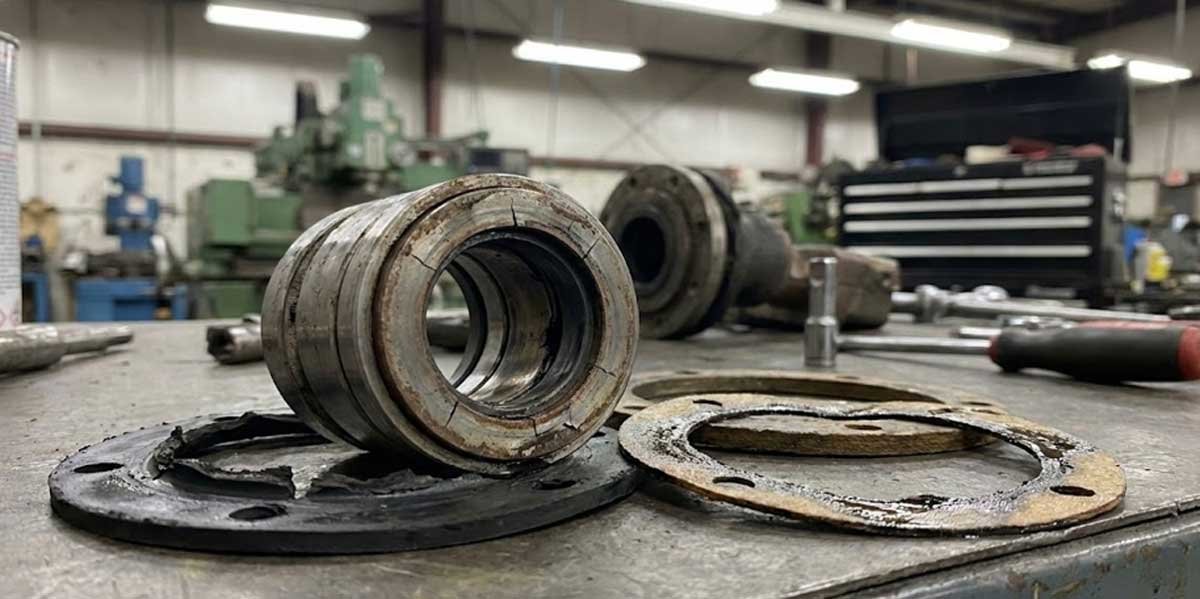
Seal failure in chemical pumps is a very common issue in industrial applications. Mechanical seals and gaskets are exposed directly to chemicals, pressure, and heat. If the seal material is not suitable for the chemical, it can swell, crack, or harden. This results in leakage, pressure loss, and safety concerns. Dry running, poor installation, and sudden pressure changes also increase seal damage. Regular inspection of seals and timely replacement can prevent major failures. Choosing the correct seal type based on chemical, temperature, and operating pressure helps reduce unplanned shutdowns and protects surrounding equipment from chemical exposure.
Cavitation and Suction-Related Problems
Cavitation happens when vapour bubbles form and collapse inside the pump due to low suction pressure. This creates strong vibrations and damages the impeller and internal surfaces. Cavitation is one of the common pump problems in chemical systems with long suction lines, blocked strainers, or high liquid temperature. Operators may hear noise and notice reduced flow when cavitation occurs. Over time, this damage leads to poor pump performance and frequent repairs. To prevent this, the suction line must be properly designed, kept clean, and sized correctly. Ensuring correct pump selection for the application also helps reduce cavitation risk.
Dry Running and Lack of Proper Lubrication
Dry running occurs when the pump operates without enough liquid inside. This is very harmful because liquid also helps cool and lubricate the pump. Without liquid, seals overheat and wear out quickly. Dry running can happen due to empty tanks, air entering the suction line, or operator error during startup. Many chemical transfer pump issues are linked to dry running conditions. Installing level sensors, flow switches, and following correct startup procedures can greatly reduce this risk. These simple controls help protect seals and internal parts from sudden heat and friction damage.
Abrasive Wear and Solid Particles in Chemical Fluids
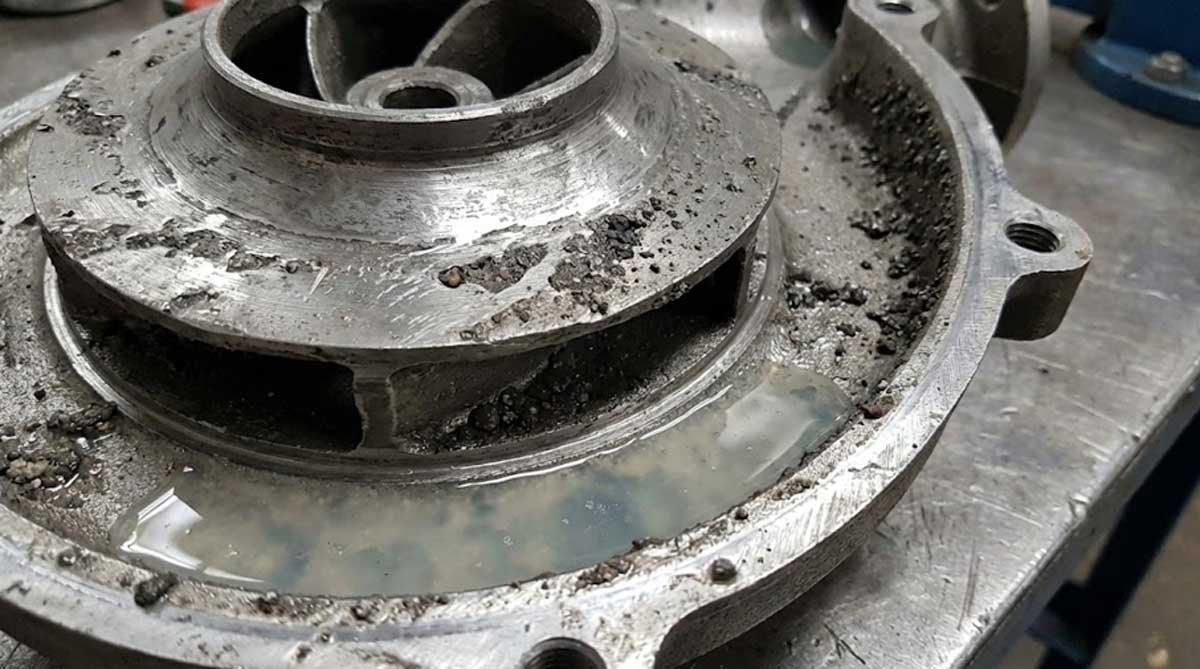
Some chemical fluids contain solid particles or crystals. These particles cause abrasive wear on impellers, casings, and internal parts. Over time, this reduces pump efficiency and increases vibration. Abrasive wear is a major reason for repeated repairs and shortened pump life. Using strainers and filters can help remove solids before they enter the pump. Selecting pump designs that can handle abrasive or slurry-type chemicals is also important. Proper material choice and flow control reduce erosion and help maintain stable performance in harsh chemical environments.
Preventive Maintenance and Best Practices
Preventive maintenance is the most effective way to reduce breakdowns and extend pump life. Regular inspection of seals, bearings, and wetted parts helps detect early signs of wear. Checking vibration, noise, and flow rate also gives useful information about pump health. Keeping records of maintenance and performance trends helps identify recurring issues. Training operators on correct startup and shutdown procedures is equally important. A planned maintenance schedule reduces emergency repairs and improves plant uptime. Proper maintenance also supports better chemical pump troubleshooting by allowing teams to act before small issues turn into major failures.
Conclusion and How Alfa Pumps Supports Long-Term Reliability
Most chemical pump failures are caused by corrosion, seal damage, cavitation, dry running, and abrasive wear. These problems can be reduced with proper material selection, correct system design, and regular maintenance. Choosing the right pump for the chemical and operating conditions is critical for long-term reliability. For industries handling aggressive chemicals, working with experts in chemical transfer pump issues and non-metallic pump solutions helps improve safety and performance. A well-selected and well-maintained pump system ensures smoother operations and lower total operating costs.