
Travelers’ appetite for greener getaways keeps growing: a 2023 Booking.com survey found that 76 percent of guests intend to choose a more sustainable stay this year. For hosts, that demand pays off only when the eco touches feel effortless. A bargain low-flow showerhead can spark “weak pressure” complaints, and guilt-heavy recycling posters may scare off bookings, observe N Property Group experts. The takeaway is simple—comfort first, conservation second, clear communication always.
This guide spotlights planet-friendly upgrades that win five-star reviews and flags the trendy ideas that quietly hurt satisfaction or breach new regulations. Use it as your 2026 playbook for greener hosting that protects both the planet and your profit.
1. Professional eco-conscious property management

A dedicated manager keeps every sustainable detail on track. They restock non-toxic cleaners, swap burned-out LED bulbs before guests notice, and handle the late-night thermostat text—while you sleep.
Because sustainability is baked into each turnover, you gain three wins: higher visibility for “eco” filters, lower utility bills through consistent settings, and faster five-star reviews that praise the planet-friendly touches.
Partnering with a certified green-focused company, such as SkyRun, removes the guesswork. Their team vets suppliers, tracks local recycling rules, and trains housekeepers to refill bulk toiletries, so your promise stays intact without extra effort.
The people running the rental are often the most powerful eco upgrade you can make.
2. LED lighting and smart energy controls
Guests rarely comment on lightbulbs unless the glow feels harsh or half the fixtures are burned out. Swap every remaining incandescent for warm-white LEDs and those comments vanish. Energy use falls by about 75 percent, bulbs last for years, and the rooms still photograph beautifully for your listing.
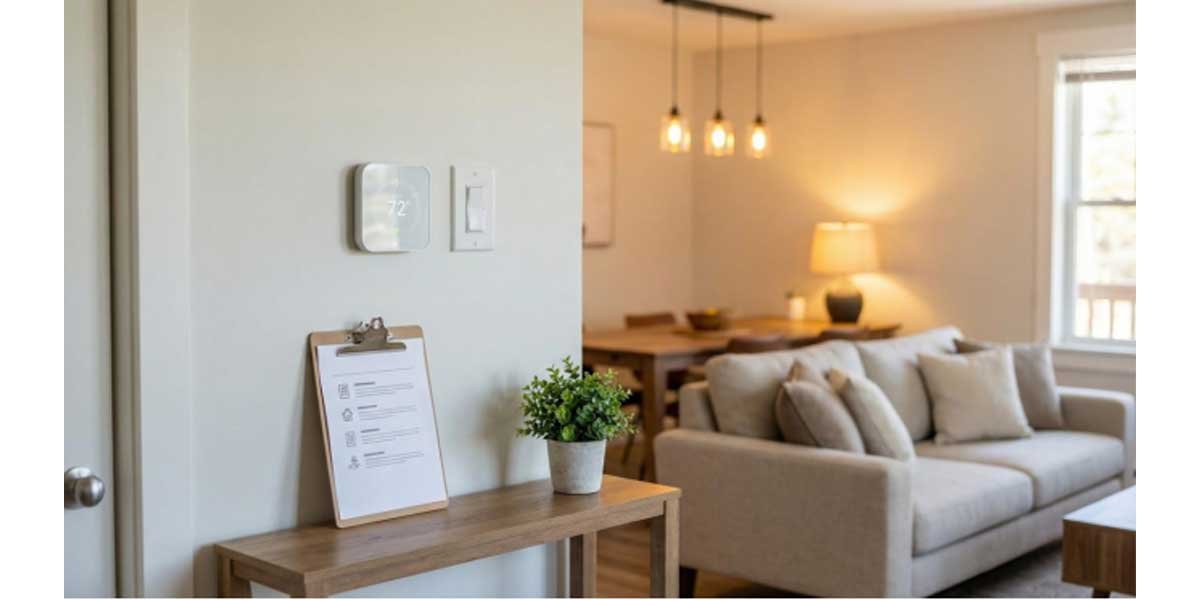
Pair those LEDs with a smart thermostat and you gain a second layer of savings. The system sets back automatically when guests head out, then restores their preferred temperature before they return. Comfort stays steady while you trim 10 to 15 percent from heating and cooling costs.
Keep the tech friendly. Leave a one-page cheat sheet on the entry table so guests know how to nudge the temperature or dim the dining-room pendants. When the controls feel intuitive, visitors credit you for thoughtful design; when they don’t, they blame “confusing gadgets.”
Test every scene yourself: day, night, and photo hour. If a space still feels flat, add a table lamp or under-cabinet strip for cozy task lighting. The aim is simple: quiet efficiency guests barely notice yet quickly appreciate.
3. Filtered water stations and reusable bottles
After a long drive or late flight, guests look for drinking water first. When the kitchen offers crisp, filtered water on arrival, you give them instant relief.
A pitcher in the fridge works, but an under-sink filter or countertop dispenser feels more refined. Either option removes the need for single-use plastic bottles. According to Earthday.org, Americans buy about 50 billion water bottles a year—roughly 156 per person—so your refill station delivers a tangible win for the planet and your brand. Cost to you: a few dollars per month in replacement filters. Perceived value to guests: convenient hydration and a hint of home-style hospitality.
Add two stainless-steel bottles on the counter with a note: “Fill, sip, explore—our tap is filter-fresh.” Travelers often keep the bottles in their daypacks, snapping photos instead of hauling a 24-pack from the store.
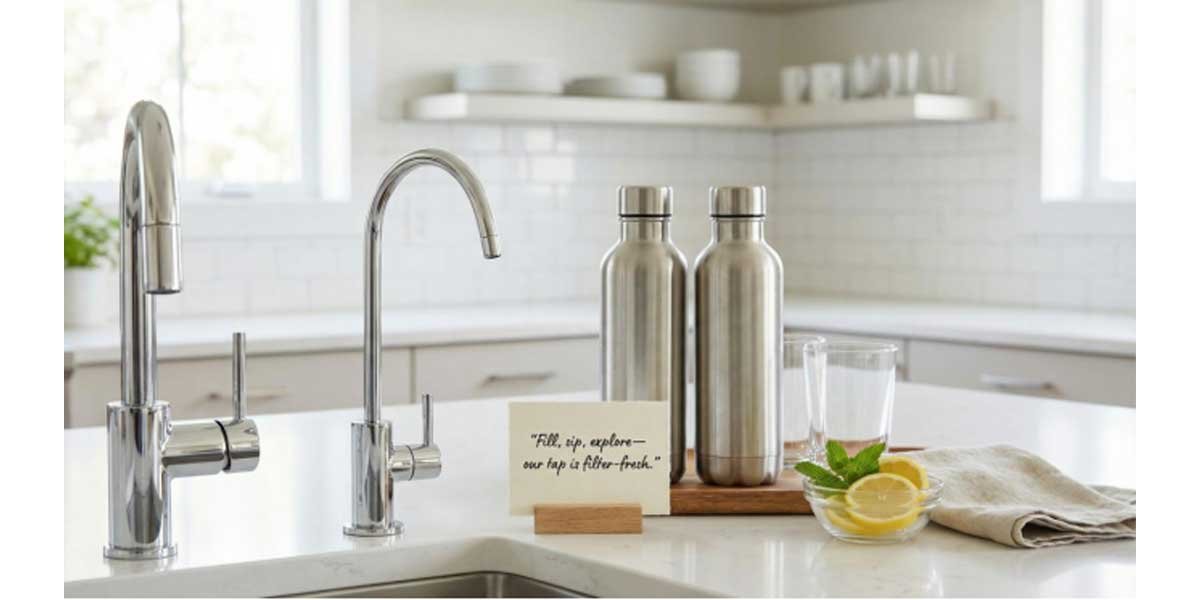
Maintenance stays light. Housekeeping rinses the pitcher, swaps filters on schedule, and you log another easy sustainability win. Guests, meanwhile, mention the thoughtful touch in reviews, and your booking calendar stays comfortably full.
4. High-quality bulk toiletry dispensers
Tiny plastic hotel bottles feel dated, and New York will ban them across hospitality venues in 2025. Guests already expect wall-mounted dispensers in modern rentals, so switching now keeps you ahead of the curve.
Execution matters. Choose lockable pumps that match your bathroom finish and fill them with familiar, skin-friendly brands. A spotless chrome trio labeled “Shampoo,” “Conditioner,” and “Body Wash” looks like spa service, not cost cutting.
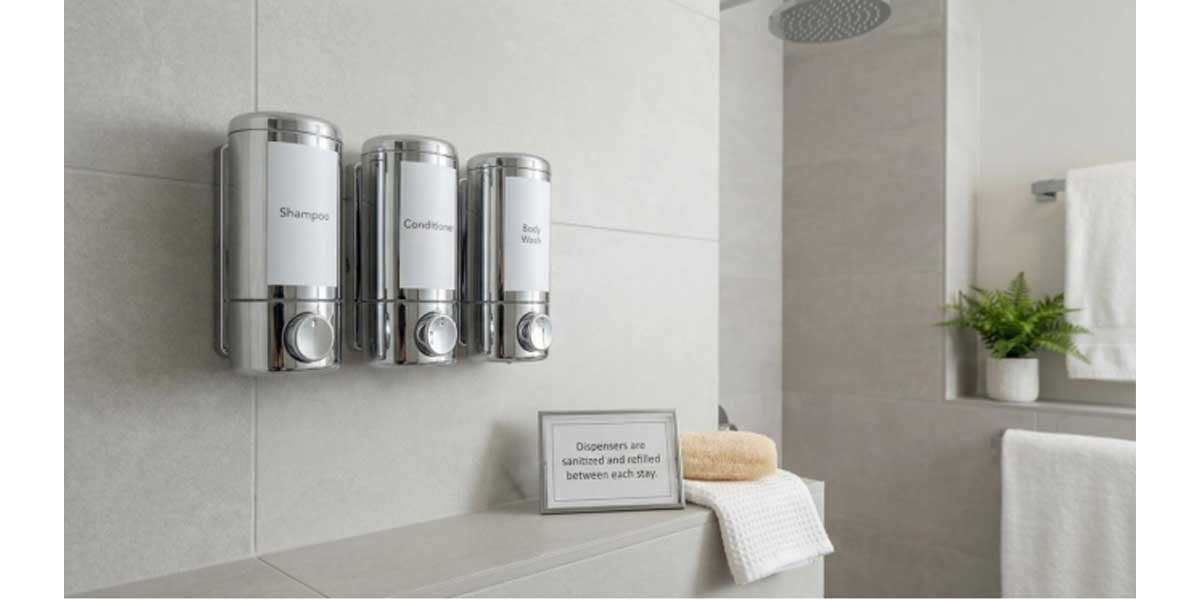
Refills come from one-gallon jugs that cost pennies per shower and keep hundreds of bottles out of the trash each season. Housekeeping wipes the pumps and tops them off every turnover—no extra effort, just a new routine.
Some visitors worry about hygiene. Defuse that on your welcome card: “Dispensers are sanitized and refilled between each stay.” Doubts fade, and most guests praise the planet-friendly touch in their reviews.
With one upgrade you comply with looming rules, slash plastic waste, and deliver a premium detail guests remember.
5. ENERGY STAR appliances and a touch of solar
Old fridges and clunky HVAC units drain wallets faster than any guest can. Swap them for ENERGY STAR models and you trim electricity use immediately while giving visitors quieter, sleeker machines that simply work.
Start in the kitchen. According to ENERGY STAR, a certified refrigerator uses about 9 percent less energy than a standard model, and an old unit can waste roughly 20 percent more power than its modern replacement. That reliability earns five-star “great amenities” notes—something no guest writes about a sputtering ice maker.
Add high-efficiency washer-dryers and a heat-pump water heater, and the savings stack. ENERGY STAR estimates that a household of four can cut about $550 per year by switching to a heat-pump water heater. Utility rebates often shorten payback to just a few busy seasons.
Ready for bigger savings? Install rooftop panels or a solar water heater and advertise that the home runs on sunshine. Guests love bragging rights: “Our beach week was powered by solar.” You gain a hedge against rising energy prices and a headline feature competitors lack.
Even a starter move counts. Solar path lights create soft curb appeal, reinforce your green story, and cost pennies to run. Stack enough of these choices and your property runs efficiently, earning praise for comfort and conscience in equal measure.
6. EV charging right in the driveway
Electric-vehicle drivers often filter listings by “EV charger” before anything else. Airbnb reports that searches with this filter jumped more than 80 percent from 2022 to 2023.
Add a Level 2 charger and your home rises on their shortlist. Guests roll in, plug in overnight, and wake to a full battery with zero range anxiety.
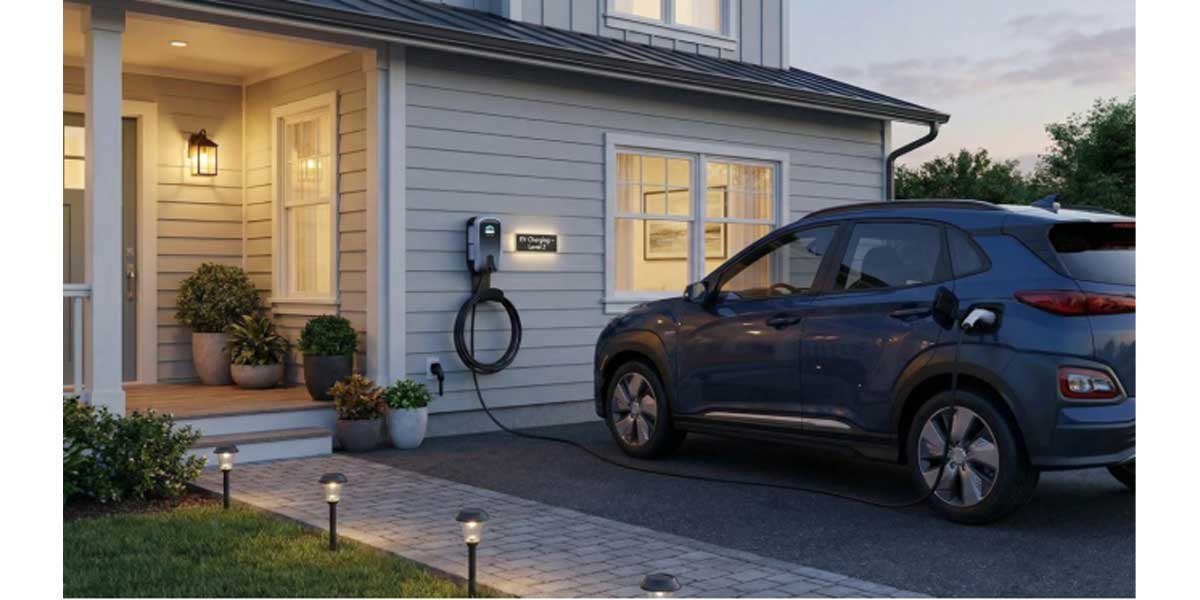
Hardware runs about $400–$700, and residential installation averages roughly $1,300, according to the U.S. Department of Energy’s Alternative Fuels Data Center. Local rebates can shrink that outlay, and a full charge often costs under three dollars, a fee you can absorb or recoup with a small nightly premium.
Make the setup clear. Label the connector type, coil the cable neatly, and state any fee in your house manual. Clarity prevents late-night “How do I connect?” texts and lets every guest sleep soundly.
Hosts often see off-season bookings from road-trippers they never attracted before, proof that one smart amenity can widen your market while cutting emissions.
7. Waste-reduction kits for the kitchen and beyond
Paper towels, plastic shopping bags, cling wrap—each single-use item chips away at sustainability and eats into your supply budget. Replace that revolving door with a compact kit guests cannot wait to try.
Hang two sturdy canvas totes by the front door with a note: “Borrow these for grocery runs—New York is bag free.” The U.S. Environmental Protection Agency estimates that one reusable bag can replace hundreds of single-use bags in its lifetime. Add mesh produce bags so avocados ride home securely, and watch visitors mention the thoughtful touch in their reviews.
Move to the kitchen. Stack beeswax wraps and a silicone stretch-lid set in the top drawer. They seal leftovers tighter than plastic film and look fresh in guest photos.
Round out the kit with a reusable coffee filter and a jar of local beans. Coffee lovers save resources before their first sip, and you avoid late-night requests for paper filters.
Cost to assemble? About thirty dollars upfront. Result? Dozens of plastic bags, rolls of wrap, and filter boxes avoided every season—and consistent five-star comments for “everything we needed was already here.”
Small swaps, big impression. That is the waste-free formula guests remember long after checkout.
8. Green cleaning and allergy-friendly comforts
Guests step through the door and inhale. If the air smells like solvents, you have lost them before check-in is complete.
Switch to low-VOC, fragrance-light cleaners and first impressions flip from harsh to healthy. The U.S. Environmental Protection Agency notes that indoor VOC levels can climb to ten times outdoor concentrations, so every swap matters for breathing comfort. Brands that ship concentrated tablets in refillable bottles cut plastic waste and storage bulk while costing less per spray.
Extend the same care to linens. Wash sheets in unscented detergent, stock hypoallergenic pillows in sealed covers, and list those touches proudly. Families traveling with kids or anyone sensitive to perfume will breathe easier and mention it in their reviews.
Keep a small caddy under the sink with an all-purpose spray, eco dish soap, and two fresh microfiber cloths. When a spill happens, guests reach for your supplies instead of hunting for bleach.
You spend pennies more per turnover but gain a powerful differentiator: a rental that feels clean without the chemical sting.
9. Indoor plants and biophilic touches
Nature has a calming rhythm guests feel the moment they step inside. Add a few live plants and your rental breathes with that same relaxed pulse.
Pick hardy choices such as snake plant, pothos, and peace lily—species that thrive on low light and once-a-week watering. A NASA Clean Air Study found that golden pothos and other houseplants help strip common pollutants from indoor air, and the agency suggests placing at least one plant per 100 square feet for perceptible benefit. They also soften corners and photograph beautifully against crisp white bedding.
Set two or three pots where eyes land first: the coffee table, bathroom shelf, and kitchen window. The space feels curated rather than staged, and guests notice the care.
Maintenance stays simple. Your cleaner waters weekly, plucks the odd yellow leaf, and moves on. If you travel often, a self-watering globe bridges the gap without droop.
For an extra smile, pot a small herb—basil or mint—in the kitchen with a tag: “Fresh garnish for your cocktails.” Guests clip a sprig, share a photo, and your listing earns organic buzz.
Small effort, big mood lift. That is the beauty of biophilic design.
10. Sustainable outdoor amenities
Your yard can tell a green story while elevating guest experience.
Start by swapping thirsty lawn patches for native plants. The U.S. Environmental Protection Agency notes that outdoor watering averages 30 percent of household use—and up to 60 percent in dry regions—so low-water natives make an immediate dent in utility bills. Coastal grasses and wildflowers sip far less water than turf, invite butterflies, and need only seasonal trimming, not weekly mowing.
If space allows, carve out a small herb or veggie bed. A handful of cherry tomatoes or sprigs of rosemary turns dinner on the grill into a local-food moment. Add a chalkboard sign: “Pick what’s ripe—our garden is your garden.”
Park two cruiser bikes with a printed trail map so visitors explore the neighborhood under pedal power. They return raving about hidden coffee shops you highlighted, while your parking area stays clear of extra cars.
Round things off with solar path lights and a simple fire pit stocked with certified-sustainable wood. Guests linger outdoors under soft light, toasting marshmallows without lighter fluid or generator noise.

These touches feel like resort perks yet cost little beyond thoughtful setup, and the photos showcase a backyard that looks lived in, loved, and planet friendly.
11. Overly restrictive low-flow fixtures
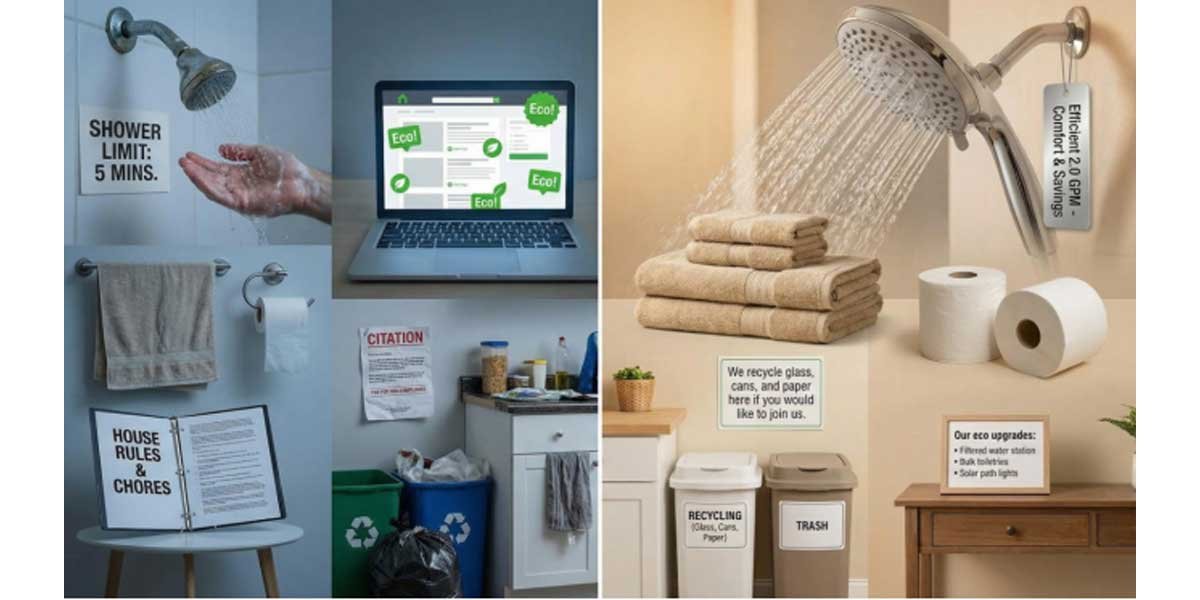
Saving water is noble; a dribble of a shower is not. Install the wrong head and guests spend ten minutes rinsing shampoo instead of five enjoying steam. Some even crank the tap wide open, erasing your conservation goal and burning extra energy to heat the longer shower.
You can keep efficiency without losing pressure. Look for WaterSense-certified models that use no more than 2.0 gallons per minute while still passing a performance test for satisfactory spray. Try it yourself; if you barely rinse conditioner, imagine how a beach-day guest will feel.
Dual-flush toilets follow the same rule. Quality valves clear the bowl every time; bargain versions invite double flushes and late-night clog messages that ruin evenings for everyone.
Aim for “efficient yet indulgent.” Guests should walk out thinking, “That felt great,” not, “Where’s the plunger?” Comfort first, savings second, and strong reviews will follow.
12. Cheap “eco” supplies that feel like downgrades
Scratchy recycled toilet paper. Thin bamboo towels that push water around instead of soaking it up. Well-meaning swaps can shout cost cutting, not sustainability, and guests notice the difference with every wipe and shower.
Quality matters more than the eco label alone. Invest in plush bamboo or organic-cotton towels that feel spa soft. Choose premium tree-free toilet paper brands, then place a spare roll in clear view to signal abundance, not austerity.
Apply the same rule to bedding. A 300-thread-count organic sheet beats a bargain 600-count synthetic blend every night of the year. Guests sleep soundly, wake refreshed, and credit you for both comfort and conscience.
Spend a little more and waste a lot less. Guests remember the comfort long after checkout, and their five-star reviews offset the extra expense.
13. Guilt-trip rules and endless chore lists
Guests book a vacation, not an environmental seminar. If your welcome binder reads like a manifesto—separate compost, rinse recyclables, wash and hang-dry linens—you risk draining relaxation and star ratings in one shot.
Keep requests few and friendly. A single line above the bins works: “We recycle glass, cans, and paper here if you would like to join us.” The easier you make it, the more guests comply; the harder you push, the faster they rebel.
Automate whenever possible. Smart thermostats reset when doors lock, motion sensors handle lights, and paired bins slide neatly under the sink. Sustainability continues in the background, freeing travelers to enjoy their stay without feeling judged.
Respect their holiday and they will respect your home—and the planet—far more willingly.
14. Green marketing without substance
Painting your listing bright green online while leaving it pale in person backfires quickly. Research in Hospitality Net shows that generic or exaggerated sustainability claims can even reduce demand when guests feel misled. Travelers who book a “sustainable stay” expect proof the moment they arrive.
If the fridge guzzles power, plastic minis line the shower, and incandescent bulbs glow in every lamp, guests feel duped. Disappointment turns into lukewarm reviews that search algorithms bury.
Instead, share only the upgrades you have already completed—solar path lights, bulk dispensers, filtered water—and skip vague lines such as “most eco-friendly rental in town.” Better yet, earn an independent badge like Sustonica; outside validation quiets doubts.
Keep the story consistent on site. A small card near the door listing key upgrades signals authenticity. Guests nod, snap a photo, and share it—free publicity grounded in real action, not empty slogans.
15. Ignoring local sustainability rules
Few things sour goodwill faster than a citation taped to the door. Skip required recycling bins or stock banned single-use plastics and you risk fines, upset neighbors, and frustrated guests.
Local rules are public, often simple, and sometimes generous. Long Island towns, for example, hand out color-coded bins and clear pickup calendars; follow them and trash day runs smoothly. New York’s Small Plastic Bottle Hospitality Law bars hotels and short-term rentals from offering toiletry bottles under 12 ounces as of January 1, 2026 for properties with fewer than 50 rooms, according to the New York State Department of Environmental Conservation. Keep the minis in storage and refill those dispensers instead.
Run a quick compliance check each year. Scan municipal sites for changes to waste sorting, water limits, or energy rebates you can claim, and update your house manual. Guests stay effortlessly compliant without even noticing.
Play by the rules and everyone wins: guests enjoy a friction-free stay, neighbors see responsible hosting, and you avoid penalties that bite into profits.