
The act of giving carries meaning far beyond the object exchanged. A gift represents time, thought and care made tangible. It communicates something about the relationship between giver and recipient, about shared values and about what we believe matters in life.
Yet modern gift giving often contradicts these deeper purposes. Rushed purchases, trend driven choices and disposable items fill shopping carts during holiday seasons and special occasions. The result is frequently clutter rather than connection, waste rather than warmth.
Conscious gifting offers an alternative. By approaching gift giving with intention and awareness, we can transform this practice into an expression of values that benefits recipients, communities and the planet.
The Problem With Disposable Gifting
Consumer culture encourages quantity over quality. Sales events push bulk purchasing. Social pressure demands gifts for every occasion regardless of whether meaningful options exist. The accumulated result fills landfills with unwanted items that served no real purpose.
Studies suggest a significant percentage of gifts end up unused, regifted or discarded within months of receipt. The resources extracted, the energy consumed in manufacturing and the emissions generated in shipping all become wasted alongside the objects themselves.
This pattern harms more than the environment. It diminishes the meaning of gift giving itself. When presents become obligatory rather than intentional, the practice loses its capacity to strengthen relationships and communicate care.
Reclaiming that capacity requires rethinking how we approach giving from the ground up.
Choosing Longevity Over Trend
The most sustainable gift is one that remains valued for years or even generations. Longevity depends partly on physical durability but also on emotional resonance. Items that connect to the recipient’s identity, mark significant moments or carry genuine beauty tend to endure where trendy objects quickly lose appeal.
Jewellery exemplifies this principle when chosen thoughtfully. A well crafted piece can last lifetimes, passing between generations while accumulating sentimental value. The initial environmental impact of production spreads across decades of use rather than months before disposal.
Quality matters enormously in this calculation. Cheaply made jewellery tarnishes, breaks and disappoints. Pieces crafted with skill from quality materials maintain their beauty and structural integrity through years of wear.
When searching for meaningful jewellery gifts, understanding what distinguishes quality from imitation proves valuable. Researching options like the best brand to buy tennis bracelet in Melbourne reveals how established jewellers approach craftsmanship, material sourcing and design integrity. These factors determine whether a piece will still bring joy decades from now or disappoint within seasons.
The investment in quality pays environmental dividends. One excellent piece replacing five mediocre ones reduces overall resource consumption despite the higher initial input. The mathematics of sustainability often favour fewer, better things over abundant cheap alternatives.
The Hidden Value of Craftsmanship
Mass production optimises for speed and cost. Automated factories churn out identical items by the thousands, minimising human involvement and maximising output. The efficiency is remarkable but something gets lost in the process.
Handcrafted goods carry qualities that machines cannot replicate. The slight variations that mark human involvement. The accumulated skill is evident in precise details. The story of the maker embedded in the object itself.
These qualities create emotional resonance that mass produced items rarely achieve. A handmade gift communicates effort and intention in ways that factory products cannot. The recipient understands that someone chose this specific item knowing it was made by human hands with care and attention.
Beyond aesthetics, craftsmanship often indicates better working conditions. Artisans typically labour in healthier environments than factory workers. Fair wages and reasonable hours become more achievable when production prioritises quality over volume. The human cost of the supply chain deserves consideration alongside environmental impact.
Supporting craft traditions also preserves cultural knowledge. Skills developed over generations risk disappearing when cheap mass production undercuts artisan markets. Each purchase of handmade goods helps sustain these traditions for future practitioners and future generations of gift recipients.
Fashion as Ethical Expression
Clothing and accessories make popular gifts but raise significant ethical questions. The fashion industry generates enormous environmental impact through water consumption, chemical use and textile waste. Labour conditions in garment manufacturing often involve exploitation of vulnerable workers.
Ethical fashion alternatives have expanded considerably in recent years. Brands committed to fair wages, sustainable materials and transparent supply chains now offer options across price points and styles.
The intersection of ethics and craft proves particularly promising. Organisations supporting handcrafted fashion Australia connect consumers with artisans while often supporting social missions beyond commerce. These enterprises may fund community development, provide employment opportunities for marginalised groups or preserve traditional textile techniques.
Gifting from such sources multiplies the positive impact of the purchase. The recipient receives a unique, quality item. The maker receives fair compensation for skilled work. The supporting organisation advances its mission. The environment benefits from reduced industrial production. A single thoughtful choice creates ripples extending far beyond the immediate exchange.
Reducing Waste Through Intention
Mindful gifting directly addresses the waste problem in consumer culture. When gifts are chosen with care, they are more likely to be used, treasured and kept. When they align with the recipient’s actual preferences and needs, they avoid the drawer of forgotten presents or the donation pile.
This requires genuine attention to the people we give to. What do they actually enjoy? What would improve their daily life? What aligns with their values and aesthetic sensibilities? These questions demand more effort than grabbing whatever appears convenient but yield far better results.
Timing matters as well. The pressure to produce gifts for every occasion often leads to thoughtless purchasing. Giving fewer but more meaningful presents throughout the year creates less waste while communicating greater care.
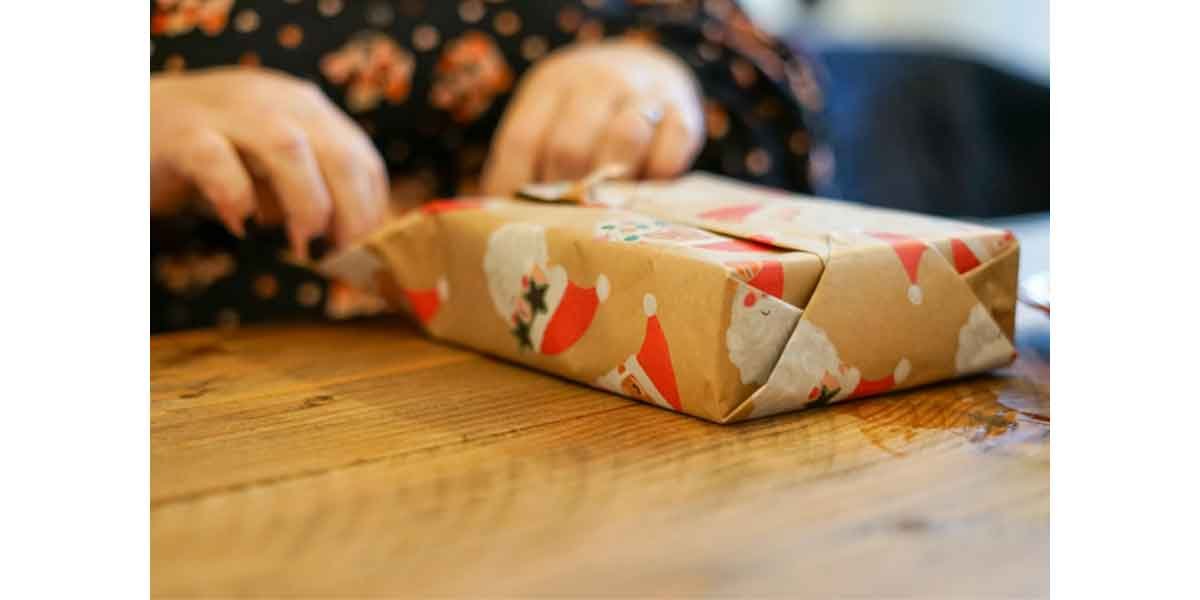
Presentation offers additional opportunities for sustainability. Reusable gift bags, fabric wrapping or even newspaper and natural twine can replace single use paper and plastic ribbons. The wrapping becomes part of the gift rather than immediate waste.
Experience Over Object
Sometimes the most sustainable gift involves no physical object at all. Experiences create memories without material footprint. Shared activities strengthen relationships more effectively than exchanged possessions.
Concert tickets, cooking classes, spa treatments, adventure outings and similar gifts provide enjoyment without accumulating stuff. They suit recipients who already have abundant possessions or who explicitly prefer minimalism.
Even simple experiences carry meaning. A handwritten letter promising a home cooked meal, an afternoon of help with a project or a planned outing together costs little environmentally while communicating genuine care and commitment.
The shift from object to experience requires adjusting expectations around gift giving. Physical packages to unwrap carry traditional appeal. But the lasting value of shared experiences often exceeds that of forgotten objects.
Building a Gifting Philosophy
Conscious gifting benefits from consistent principles rather than case by case decisions. Developing a personal philosophy around giving creates a framework for choices when occasions arise.
Some useful questions to consider: Does this gift align with the recipient’s values as well as my own? Will it remain useful and appreciated beyond the initial moment? Does its production and sourcing reflect ethical practices? Does it replace something that would otherwise be purchased or add unnecessary abundance?
These questions need not make gift giving joyless or overthought. They simply redirect attention toward what matters most. With practice, conscious choices become intuitive rather than effortful.
The philosophy extends to receiving as well. Communicating preferences to potential givers, graciously redirecting toward experiences or charitable donations and honestly expressing what would be most welcome all help reduce unwanted gifting in both directions.
The Deeper Purpose of Giving
Gifts at their best express love, gratitude, celebration and connection. They mark transitions and milestones. They strengthen bonds between people who matter to each other.
None of these purposes require disposable products, exploitative supply chains or environmental degradation. Quite the opposite. Aligning our giving with our values amplifies its meaning while reducing its harm.
The shift toward conscious gifting represents a small but meaningful part of broader sustainable living. Each thoughtful choice demonstrates that consumption and ethics need not conflict. Each quality item chosen over quantity models alternative approaches for others to observe and consider.
The objects we give and receive tell stories about who we are and what we believe. Choosing those objects with intention ensures the stories reflect our highest values rather than unconscious habits.