
How often do we see a celebrity tragedy unfold in the public eye, only to forget the real human stories behind the sensational headlines? The life and untimely death of That ’70s Show actress Lisa Robin Kelly was one such story, a painful narrative of addiction and loss. But her story is intertwined with another, one that has remained largely in the shadows: the story of her husband, Lisa Robin Kelly’s confidante and partner, Robert Joseph Gilliam.
This article delves into the life of Robert Joseph Gilliam, a man who was both a husband and a caregiver in a relationship defined by the relentless grip of addiction. We will explore his professional background as a drug counselor, the turbulent marriage, the legal battles that followed Lisa’s death, and the profound emotional toll of loving someone through their darkest moments.
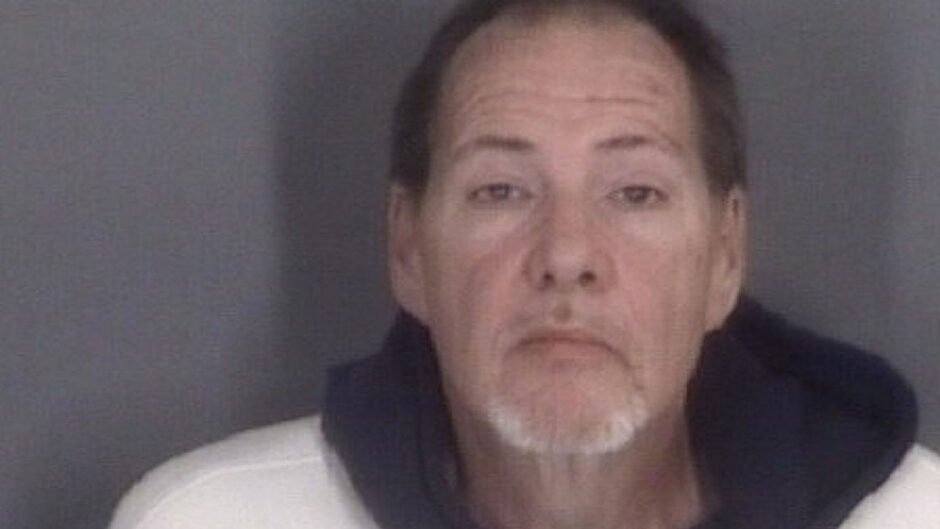
By moving beyond the headlines, we aim to provide a comprehensive and humanizing account of their story. Through detailed research and a compassionate lens, this article will offer readers a deeper understanding of the complexities of addiction, the challenges faced by those who support loved ones through it, and the quiet life of the man at the center of it all.
Who Was Robert Joseph Gilliam?
Robert Joseph Gilliam, born in 1951, lived a life far from the Hollywood spotlight before his path crossed with Lisa Robin Kelly. He dedicated his professional life to a field that requires immense empathy and patience: drug counseling. This career choice speaks volumes about the man who would later find himself in a deeply personal battle with the very demons he helped others fight.
His work was not about fame or recognition; it was a quiet life of service. As a counselor, Gilliam guided individuals through the harrowing process of recovery, offering them a steady hand in their most vulnerable moments. This background provides a crucial, and often overlooked, context to his relationship with Lisa Robin Kelly, framing it not just as a tumultuous celebrity marriage, but as the collision of a professional caregiver’s life with a profoundly personal crisis.
A Fateful Meeting: When Worlds Collide
Their worlds collided in North Carolina, a world away from the glitz of Hollywood. Lisa Robin Kelly, struggling with the addiction that had derailed her career, was reportedly seeking stability. It was here she met Robert Joseph Gilliam. The dynamic of their initial connection was potent and complex: a professional counselor, equipped with the language of recovery and compassion, and a woman in the throes of a public and painful battle for her life.
Their bond was forged in a shared understanding of vulnerability. For Lisa, Gilliam may have represented a beacon of hope and stability. For Gilliam, a man dedicated to helping others heal, Lisa’s situation was a familiar landscape, but this time, the personal stakes were infinitely higher. Their friendship deepened, evolving into a romance that culminated in the Lisa Robin Kelly marriage.
They were wed in October 2012, a moment that should have marked a new beginning. It was a quiet affair, a stark contrast to the public life Lisa once led. But the hope was short-lived, as the foundation of their relationship, built on the fault lines of addiction, would soon be shaken to its core.
| Event | Date |
|---|---|
| Met in North Carolina | ~ Early 2012 |
| Married | October 2012 |
| Domestic Disturbance Arrest | November 2012 |
| Lisa Files for Divorce | July 2013 |
| Lisa’s Death | August 2013 |
The Marriage: A Brief Hope Followed by Turmoil
For a fleeting moment, the marriage between Robert Gilliam and Lisa Robin Kelly seemed like a sanctuary. It was a chance for Lisa to find the stability she desperately needed, supported by a man who understood the landscape of addiction. But the hope was fragile, and the sanctuary was soon breached by the very chaos they sought to escape.
The downward spiral was swift and public. Just one month after their wedding, in November 2012, police were called to their North Carolina home. A domestic disturbance. An altercation. Both Gilliam and Kelly were arrested, charged with assault. The headlines were brutal, painting a picture of a marriage already in crisis. The dream of a quiet, stable life was shattering.
The legal consequences were severe and telling. Lisa filed for a restraining order against her new husband. Court documents later revealed that Gilliam was convicted of domestic battery. The sentence was stark: jail time, three years of probation, and a court-mandated 52-week domestic violence counseling program. The man who counseled others was now mandated to be counseled himself, a tragic turn in a story already fraught with pain.
The Aftermath: A Tragic End and a Husband’s Grief
The final chapter of their life together unfolded with a devastating finality. On August 15, 2013, the world learned of the That ’70s Show actress’s death. Lisa Robin Kelly died in her sleep at Pax Rehab House in Altadena, California. She was just 43 years old. The official cause of death was later ruled an accidental overdose from multiple drug intoxication [1]. She had checked into the facility just days before, in another attempt to conquer her demons.
In the wake of her death, a grieving Robert Gilliam spoke out, his words painting a portrait of love and loss that stood in stark contrast to the legal battles that had defined their final months together. “I love Lisa very much,” he told Celebuzz [2]. “It’s killing me.” He spoke of a side to her that the public never saw, a talented woman broken by loss—the loss of a baby, a marriage, and her career. “Something broke inside of her,” he said, “and she couldn’t cope with it.”
His grief was complicated by a public war of words. Lisa’s new boyfriend at the time of her death blamed Gilliam for her relapse, a claim Gilliam vehemently denied. He countered that Lisa had been calling him repeatedly, desperate to get away. This tangle of accusations and grief left the public with a fractured and incomplete picture of a woman’s tragic end and the husband she left behind.
The Caregiver’s Dilemma: Loving Someone Through Addiction

To love someone with an addiction is to live in a constant state of paradox. It is a journey of immense love and profound pain, of hope and despair, of holding on and letting go. Robert Gilliam’s story, though played out on a public stage, is a deeply personal illustration of this caregiver’s dilemma. His professional life was dedicated to guiding others through recovery, yet his personal life was consumed by the very same struggle.
This is a path fraught with emotional exhaustion, a phenomenon often referred to as caregiver burnout. The partner of an addict often becomes the primary support system, the crisis manager, the cheerleader, and the disciplinarian, all at once. They navigate a landscape of broken promises, relapses, and the constant fear of the next crisis. It is a role that can erode one’s own mental and emotional well-being, a silent struggle that often goes unrecognized.
“Family and friends can play critical roles in motivating individuals with drug problems to enter and stay in treatment. However, trying to help a loved one with a substance use problem can be very stressful. It is important for family members to get support for themselves.” – National Institute on Drug Abuse (NIDA) [3]
Gilliam’s experience is a poignant and tragic example of this. His professional expertise could not shield him from the personal heartbreak of watching his wife struggle. His story serves as a powerful reminder that addiction is not a moral failing, but a disease that ravages not only the individual but also those who love them most. It underscores the critical need for support systems, not just for the person with the addiction, but for the partners and families who walk the difficult road of addiction and relationships alongside them.
A System Under Scrutiny: The Pax House Lawsuit
The tragedy of Lisa Robin Kelly’s death did not end with her passing. It opened a new, painful chapter that put the very system designed to save her under a microscope. In June 2014, Robert Gilliam filed a wrongful death lawsuit against Pax House, the rehabilitation facility where Lisa died. The Pax House lawsuit was not just a husband’s cry for justice; it was an indictment of a system that he alleged had failed his wife in her most vulnerable moments.
The lawsuit claimed that the staff at Pax House were not properly trained to care for patients like Lisa. It alleged negligence, arguing that the facility failed to adequately monitor her condition [4]. This legal battle shone a harsh light on the often-opaque world of private rehabilitation centers, raising critical questions about standards of care, staff qualifications, and the accountability of these facilities when tragedy strikes.
After a nearly three-year legal battle, the lawsuit was settled out of court. The terms of the settlement were not disclosed, a common practice in such cases. While the settlement brought a legal end to this chapter, it left lingering questions about the state of the rehabilitation industry. Gilliam’s lawsuit, born from personal tragedy, served as a stark reminder of the life-and-death stakes involved in addiction treatment and the critical importance of robust oversight and accountability for those who provide it.
Conclusion: A Story of Love, Loss, and the Lingering Questions of Addiction
The story of Robert Joseph Gilliam, the husband of Lisa Robin Kelly, is more than just a footnote in a celebrity tragedy. It is a complex and deeply human narrative about love, loss, and the devastating impact of addiction. From his professional life as a counselor to his personal turmoil, Gilliam’s journey highlights the profound challenges faced by those who stand by their loved ones in their darkest hours. While the headlines have faded, the questions raised by their story remain, urging a more compassionate understanding of addiction and the silent battles fought by those in its shadow.
Frequently Asked Questions
- 1. Who is Robert Joseph Gilliam?
- Robert Joseph Gilliam is a former drug counselor who is best known as the husband of the late actress Lisa Robin Kelly, who played Laurie Forman on That ’70s Show. He gained public attention through their brief and tumultuous marriage, which was marked by legal issues and Kelly’s ongoing battle with addiction.
- 2. How did Robert Gilliam and Lisa Robin Kelly meet?
- They met in North Carolina around 2012. At the time, Lisa Robin Kelly was reportedly struggling with addiction and homelessness, and Gilliam, a drug counselor, became a source of support for her. Their relationship evolved from a supportive friendship into a romance.
- 3. How long were Robert Gilliam and Lisa Robin Kelly married?
- Their marriage was very brief. They married in October 2012, but their relationship quickly deteriorated. Just one month later, in November 2012, they were both arrested for a domestic disturbance. Lisa Robin Kelly filed for divorce in July 2013, just weeks before her death in August 2013.
- 4. What were the legal issues surrounding their marriage?
- In November 2012, both Gilliam and Kelly were arrested and charged with assault following a domestic dispute at their home. Later, Lisa Robin Kelly filed a restraining order against Gilliam. He was subsequently convicted of domestic battery and sentenced to jail time, probation, and a 52-week domestic violence counseling program.
- 5. What was Robert Gilliam’s reaction to Lisa Robin Kelly’s death?
- Robert Gilliam publicly expressed his grief and love for Lisa Robin Kelly after her death. He stated that he saw a side of her that others didn’t and that her struggles stemmed from significant personal losses, including a miscarriage and the end of her acting career. He described her as a talented person for whom “something broke inside.”
- 6. Did Robert Gilliam sue the rehab facility where Lisa Robin Kelly died?
- Yes. In June 2014, Robert Gilliam filed a wrongful death lawsuit against Pax House, the rehabilitation facility where Lisa died. He alleged that the facility was negligent and that its staff was improperly trained to care for her. The lawsuit was settled out of court nearly three years later.
- 7. What is the significance of the lawsuit against Pax House?
- The lawsuit brought public attention to the standards of care and accountability within the private rehabilitation industry. It raised important questions about the training of staff and the protocols in place to ensure patient safety, highlighting the need for greater oversight in addiction treatment centers.
- 8. Where is Robert Joseph Gilliam now?
- Since the settlement of the wrongful death lawsuit, Robert Joseph Gilliam has lived a very private life, away from the media spotlight. There is no public information about his current whereabouts or activities, suggesting a desire to move on from the public tragedy.