
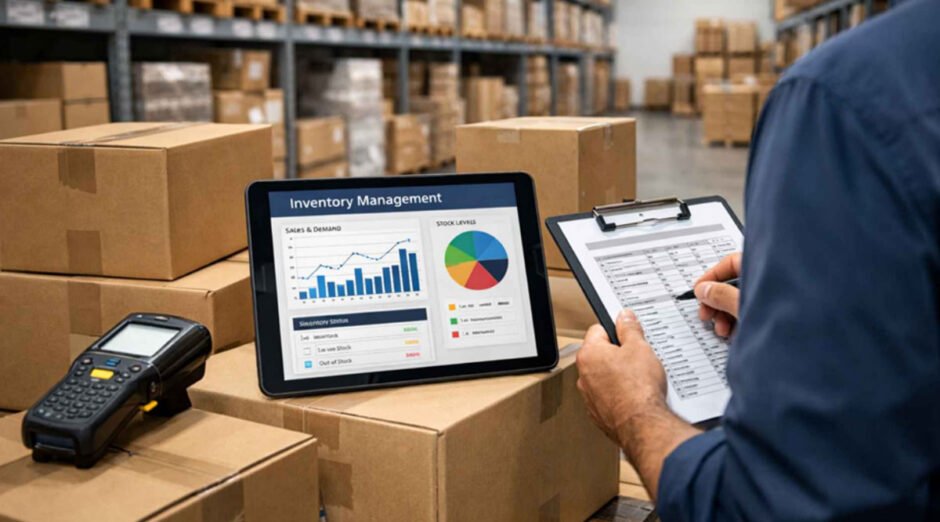
Managing inventory is one of the biggest challenges in wholesale businesses. Having too little stock leads to missed sales, while too much stock ties up money and storage space. This is where forecasting and inventory management play a key role.
In this article, we explain forecasting and inventory management in simple terms and show how wholesalers can reduce stockouts and overstocks effectively.
What Is Inventory Forecasting?
Inventory forecasting is the process of predicting future demand for products using past sales data, market trends, and business experience.
In wholesale, forecasting helps you answer questions like:
- How much stock should I order next month?
- Which products sell faster?
- When should I restock to avoid running out?
Good forecasting allows wholesalers to plan better and reduce risks.
Understanding Stockouts and Overstocks
What Is a Stockout?
A stockout happens when a product is out of stock while customers still want to buy it.
Problems caused by stockouts:
- Lost sales and revenue
- Unhappy customers
- Damage to business reputation
- Customers switching to competitors
What Is Overstock?
Overstock means having more inventory than needed.
Problems caused by overstocking:
- Money stuck in unsold products
- Higher storage and warehousing costs
- Risk of damage, expiry, or obsolescence
- Heavy discounts to clear old stock
The goal of inventory management is to balance both situations.
Why Forecasting Is Important in Wholesale Businesses
Wholesale Jewelry Vendors deal with:
- Bulk quantities
- Multiple SKUs
- Seasonal demand
- B2B clients with large orders
Without forecasting, inventory decisions become guesswork. Accurate forecasting helps wholesalers:
- Maintain optimal stock levels
- Improve cash flow
- Reduce emergency purchases
- Plan promotions and bulk deals
Key Methods Used in Inventory Forecasting
1. Historical Sales Data
The most common method is studying allow sales trends.
- Monthly sales
- Seasonal spikes
- Fast-moving vs slow-moving items
Past data often gives a strong clue about future demand.
2. Seasonal Forecasting
Many wholesale Jewelry sell more during specific seasons.
- Packaging products during festive seasons
- Jewelry during wedding or holiday seasons
Adjust inventory levels based on seasonal patterns.
3. Market Trends and Demand Changes
Track:
- Industry trends
- Customer behavior
- New product launches
- Price changes
Market awareness improves forecast accuracy.
4. ABC Inventory Analysis
This method groups products into:
- A items:High-value, fast-moving products
- B items:Medium demand items
- C items:Low-value, slow-moving items
This helps prioritize forecasting efforts where it matters most.
Best Inventory Management Practices to Reduce Stockouts
Set Reorder Points
A reorder point tells you when to reorder stock before it runs out.
It depends on:
- Average daily sales
- Supplier lead time
This avoids last-minute shortages.
Maintain Safety Stock
Safety stock is extra inventory kept as a buffer.
It protects against:
- Sudden demand spikes
- Supplier delays
- Transport issues
This is especially important in wholesale.
Improve Supplier Coordination
Work closely with suppliers to:
- Reduce lead times
- Ensure consistent supply
- Get early alerts for delays
Reliable suppliers reduce inventory risks.
How to Prevent Overstocking in Wholesale
Avoid Bulk Buying Without Demand Data
Bulk discounts look attractive, but overbuying can hurt cash flow.
Always compare:
- Storage cost
- Expected demand
- Shelf life of products
Track Inventory Turnover Ratio
Inventory turnover shows how quickly stock is sold.
Low turnover = overstock risk
High turnover = healthy inventory movement
This helps identify slow-moving products early.
Use Inventory Management Software
Modern inventory tools help wholesalers:
- Track real-time stock levels
- Automate reorder alerts
- Generate demand forecasts
- Reduce manual errors
Technology improves accuracy and saves time.
Role of Forecasting in Cash Flow Management
Overstock blocks working capital.
Stockouts reduce revenue.
Proper forecasting:
- Frees up cash
- Reduces dead inventory
- Improves profitability
For wholesalers, this directly impacts business growth.
Common Mistakes Wholesalers Should Avoid
- Relying only on intuition instead of data
- Ignoring seasonal demand changes
- Not reviewing forecasts regularly
- Overstocking slow-moving SKUs
- Delaying reorder decisions
Avoiding these mistakes improves inventory efficiency.
Final Thoughts
Forecasting and inventory management are essential tools for wholesale success. By using sales data, understanding demand patterns, and applying smart inventory controls, wholesalers can minimize stockouts and overstocks effectively.
A balanced inventory system leads to:
- Happier customers
- Better cash flow
- Lower operational costs
- Stronger long-term growth
Investing time and effort into forecasting is not optional—it is a competitive advantage in wholesale business.