
A building is more than just brick and mortar; it is a container for history and a launchpad for the future. At Western Illinois University (WIU), one structure embodies this truth perfectly: Horrabin Hall. This building was not simply constructed; it was designed with a specific, hands-on philosophy of education in mind, a vision that endures today.
Today, Horrabin Hall stands as the vibrant center for the College of Education and Human Services (COEHS) in Macomb, Illinois. It is a place where future teachers, social workers, and military leaders hone their craft. The hall’s current purpose is deeply rooted in its past as a pioneering laboratory school, a concept far ahead of its time.
We are going to peel back the layers of this iconic structure. We will explore the visionary man whose name it bears, trace its evolution from a training school to a modern hub, and uncover the hidden gems that make it a vital part of the WIU campus community.
The Man Behind the Name: H. Waldo Horrabin
Every great institution has a guiding spirit, and for Horrabin Hall, that spirit is H. Waldo Horrabin. He was not just an administrator; he was a dedicated educator who spent 36 years serving the university. His tenure began as a chemistry teacher, a role he excelled at for decades.
Mr. Horrabin’s influence peaked when he became the Principal of the Laboratory School in 1952, a position he held until his retirement in 1968. He was a champion of practical, “hands-on” learning. This philosophy shaped the very design of the new building intended to house the school.
The building was officially named Horrabin Hall in 1973, a fitting tribute to a man who was instrumental in its creation. During a recent renovation, a toolbox bearing his inscribed initials was discovered, a small but powerful reminder of his passion for practical projects and educational architecture.
From Laboratory School to Modern Hub
Horrabin Hall was originally constructed in 1965 to serve as the new home for the Laboratory School. This school, also known as the Training School or Western High, was a critical component of teacher education. It was a place where student teachers could practice their skills under expert supervision.
The Laboratory School closed its doors in 1973, the same year the building received its permanent name. This transition marked a significant shift in the building’s function. It moved from being a dedicated K-12 teaching environment to a comprehensive university academic center.
Today, the hall is the central location for the College of Education and Human Services. It houses the Dean’s Office and numerous academic units. This concentration of resources makes it a crucial nexus for students pursuing careers in public service and education.
| Original Function (1965-1973) | Current Function (Post-1973) |
|---|---|
| Laboratory School (K-12 Education) | College of Education & Human Services (COEHS) |
| Student Teacher Training | COEHS Dean’s Office & Faculty |
| Science & Chemistry Labs | Science Education Center & Museum |
| Gymnasium for Lab School | Large Gym & ROTC Firing Range |
Hidden Gems Inside Horrabin Hall
Beyond the lecture halls and faculty offices, Horrabin Hall holds several unique resources that serve the wider community. These “hidden gems” reflect the building’s commitment to both academic excellence and student welfare. They are often overlooked by casual visitors.
The Science Education Museum
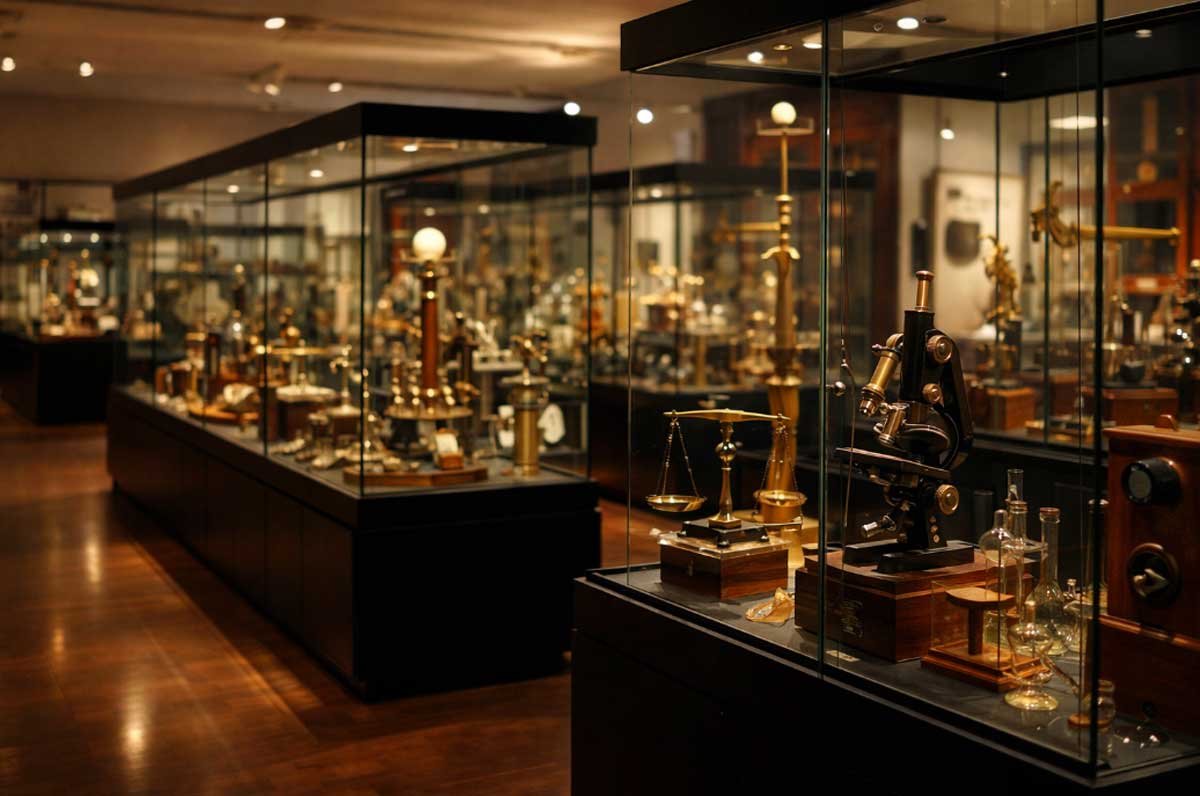
The building’s past as a science-focused lab school is preserved in the Science Education Museum. This fascinating space showcases five exhibits of vintage scientific instruments. Visitors can view antique microscopes, a Van de Graff generator, and even original floppy disc drives from the 1980s.
The Curriculum Library

Future educators rely heavily on the Curriculum Library, a branch of the University Libraries located in Room 80. This specialized collection contains approximately 37,000 volumes. It is an invaluable resource for children’s literature, educational tests, and teaching materials for all grade levels.
The WIU Food Pantry
In a powerful demonstration of community support, the WIU Food Pantry is located in Room 10 of Horrabin Hall. This essential service provides food and resources to students facing food insecurity. Its presence underscores the hall’s role as a place of holistic human services.
The Horrabin Hall Theatre
The building also supports the arts through the Horrabin Hall Theatre. This venue is a key facility for the Department of Theatre and Dance. It provides a vital space for performances, rehearsals, and the development of student talent in the performing arts.
Architecture and Innovation
The architecture of Horrabin Hall was designed to facilitate the “advanced educational thought” of its time. It was built to be functional, flexible, and conducive to hands-on experimentation. The original blueprints show a deliberate focus on specialized laboratory classrooms.
The building’s enduring importance is highlighted by its recent history. In 2015, it was identified as a high priority for renovation due to critical deferred maintenance. Furthermore, in August 2024, the hall made headlines when classes were temporarily relocated due to an air conditioning failure, a clear sign that this structure remains indispensable to the university’s daily operations.
Frequently Asked Questions (FAQ)
- 1. Who was Horrabin Hall named after?
- Horrabin Hall was named in 1973 in honor of H. Waldo Horrabin, a beloved principal of the Western Illinois University Laboratory School. He served the university for 36 years as a teacher and administrator.
- 2. What is currently located in Horrabin Hall?
- Today, Horrabin Hall serves as a central hub for the College of Education and Human Services (COEHS). It houses the Dean’s Office, the Science Education Center, the Curriculum Library, the Horrabin Hall Theatre, and the WIU Food Pantry.
- 3. Where is the WIU Food Pantry?
- The WIU Food Pantry is located in Room 10 of Horrabin Hall on the Western Illinois University campus in Macomb, Illinois. It provides essential support to students and the campus community.
- 4. What was the original purpose of the building?
- It was originally constructed in 1965 to serve as the Laboratory School (also known as the Training School or Western High). It was a pioneering facility for practical teacher training.
- 5. Is there a library in Horrabin Hall?
- Yes, Horrabin Hall is home to the Curriculum Library (Room 80), which contains approximately 37,000 volumes, including children’s and young adult books, educational tests, and teaching resources.
Experience the Legacy of Horrabin Hall
Whether you are a prospective student, a history buff, or a member of the Macomb community, Horrabin Hall has something to offer. Explore the Science Education Museum or visit the Curriculum Library to see the future of education in action.
Plan your visit to the Western Illinois University Campus today!