
A stunning modern vintage interior design is possible without an unlimited budget or exclusive decor shops. Budget constraints and LA’s excellent flea markets led me to furnish my apartments with nearly 90% vintage pieces. Modern vintage style has evolved beyond collecting old statement pieces and now blends with the freshness and simplicity of modern design.
Each room looks better with at least one vintage element. My experience with modern vintage living rooms shows that vintage accessories, lighting, and art combined with contemporary base pieces create the most functional and visually appealing spaces. This mix of antique and modern furniture creates an interesting style contrast and makes the room more functional. The simple 80/20 rule works great – keep your space 80% modern with 20% vintage touches to achieve the perfect balance.
Follow the 80/20 Rule for Balance
Image Source: Jaipur Rugs
The 80/20 rule is a chance to balance different elements in your home perfectly. This simple principle makes all the difference between a chaotic space and one that feels intentionally designed.
What the 80/20 rule means in home styling
This design guideline shows how to use one dominant style or color scheme for 80% of your room and dedicate the remaining 20% to contrasting elements. It gives structure without limiting creativity. You’ll find visual harmony throughout your space when you apply this ratio to colors, textures, or styles.
Your room should have 80% neutral tones with just 20% bold accent colors. This same approach works great for mixing design styles. Your home’s architecture should guide you—a modern condo naturally fits contemporary as the dominant style, while a classic Tudor works better with traditional elements.
This rule shines because of its versatility. You can use it almost anywhere in design:
- Living spaces: 80% neutral walls with 20% accent pillows in bold colors
- Bedrooms: 80% neutral bedding with 20% accent wall in a calming hue
- Kitchen: 80% neutral cabinets with 20% accent backsplash
Examples of 80% modern, 20% handmade
The mix of store-bought and handmade items creates a sophisticated balance. Your 80% modern foundation might include sleek furniture, contemporary lighting fixtures, and minimalist wall colors. These create a clean backdrop that makes your 20% handmade statement pieces pop.
Larger investment pieces—sofas, beds, or area rugs—make up the 80%, while the 20% adds drama through accessories, accent furniture, or art. A modern living room with clean-lined furniture looks great with a handmade ceramic vase collection. A contemporary kitchen comes alive with artisanal wooden cutting boards on open shelving.
This balance prevents chaos when statement pieces compete for attention. Your handmade items will truly stand out against their modern surroundings.
How to reverse it for a more eclectic look
The standard ratio works great for most spaces, but flipping it creates a completely different feel. Using 80% handmade and 20% modern pieces results in an eclectic look full of character and personal stories.
This reversed approach works best when you have family heirlooms or collect vintage pieces. These unique items define your space, while modern elements give it room to breathe.
You can add a third complementary style by tweaking your ratio—try 70% primary style, with 30% split between two other styles. This flexibility lets you add different elements that match your personality while keeping everything cohesive.
Note that despite being called a “rule,” you know your home best. Feel free to adjust these percentages until your space feels authentically yours.
Practical Tips for Sourcing and Styling
Quality pieces are the foundations of any successful modern-vintage blend. Your thoughtful selection and strategic placement can turn budget-friendly finds into magazine-worthy spaces.
Where to find quality store bought decor
Retailers like Anthropologie, Wayfair, and Target give you simple decor options at different price points and styles. Small studio-based businesses create unique, handcrafted options that raise your interior’s appeal. McGee & Co. designs decor that strikes the right balance between form and function. Etsy marketplace lets you connect with small creators who offer one-of-a-kind pieces.
Best handmade items to DIY or buy
Natural fiber handmade textiles add character right away—you’ll want to look for alpaca throws, linen pillows, or vintage rugs. Artisanal lighting fixtures work as both functional elements and sculptural art pieces.
You can also add a personal touch through a DIY painting canvas set, which gives you handmade art that blends easily with both modern lines and vintage textures. Small importers offer stunning Turkish rugs with distinctive patterns that tell their makers’ stories.
Tips for mixing antique and modern furniture
Quality should match across different periods—your vintage pieces need craftsmanship equal to contemporary items. The right balance comes from proper scale and proportion.
Heavy wood pieces work best near walls, while lighter items can float through the space. Antiques often give you better value than new pieces. A weekend of antiquing could land you high-quality chairs under USD 800.
How to style a modern vintage living room
Start with a cohesive color palette—neutral shades work perfectly as foundations for mixing periods. Pick one vintage piece as your focal point, like an antique chandelier above a modern dining set. A fresh coat of paint can reshape good vintage furniture shapes that have poor finishes. Modern lighting helps light up your vintage decor while adding those essential contemporary elements.
Make Handmade Pieces the Focal Point
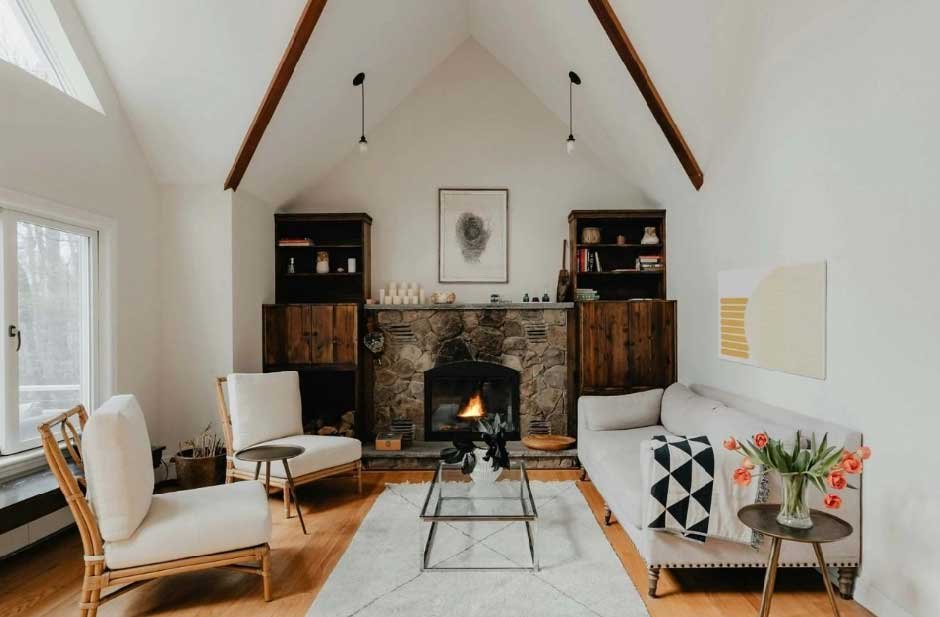
Handmade pieces turn ordinary spaces into captivating stories that wait to be told. Mass-produced items can’t match these artisanal creations with their unmistakable human touch. Each brushstroke, stitch, and carving shows the creator’s passion and skill.
Choosing one standout handmade item
Modern vintage interior design works best when you pick one extraordinary handmade piece instead of filling your space with multiple statement items. Here are some options to get you started in thinking about possibilities:
- A hand-thrown ceramic vessel with unique glazing as a dining table centerpiece
- An intricate macramé wall hanging above your sofa
- A hand-carved wooden bench in your entryway
- A sculptural handcrafted lamp as your bedside lighting
Your handmade piece will tell its own unique story because no two artisanal products look exactly alike. This originality creates a focal point that naturally draws attention and starts conversations. These items also help you connect with their creators while celebrating the beautiful imperfections of handmade art.
Pairing with neutral store-bought pieces
Simple store-bought items should surround your chosen standout piece. Designers call this approach “design punctuation” – it lets your handmade focal point shine without competing elements that might overwhelm the space. A striking hand-glazed olive jar near an entryway makes a bold statement next to crisp-lined contemporary furniture.
Success comes down to curation, contrast, and restraint. An oversized handwoven vessel pairs well with tailored, pleated-skirt furniture. You could also place an elm wood stool in a minimalist space. This balance gives handmade objects room to stand out and add character without looking too rustic.
Using lighting and placement to highlight
The right lighting can make your handmade focal points stand out. Spotlights aimed at your artisanal piece create emphasis through contrast and shadow. Track lighting helps highlight multiple angles of a sculptural piece. Wall sconces frame a handwoven wall hanging beautifully.
Your handmade focal piece should sit at eye level (about 57-60 inches from the floor) for maximum visual appeal. Leave enough space around the item – this breathing room keeps the piece from feeling crowded. The textures and details then become the quiet, grounding presence that modern rooms often need.
Use Color and Texture to Tie It All Together
Color acts like an invisible thread that helps furniture and accessories from different periods blend together naturally. I found that there was a huge difference in styling a modern vintage living room when I paid attention to color and texture choices.
Why a limited color palette works best
Your space looks more cohesive when you limit your palette to two or three base colors. This structure helps different eras blend smoothly. Here is how a focused palette supports modern vintage styling:
- Neutral bases create stability – Warm wood tones with white offer a classic mid-century feel, while gray and brown combinations add depth suited for contemporary rooms.
- The 60-30-10 rule brings balance – Sixty percent dominant color (often wood), thirty percent secondary color (walls), and ten percent accent color (accessories) keep the space visually steady.
- Mixed pieces stay unified – Even with store-bought prints and handcrafted items, a limited palette ties everything together so the room feels intentional rather than scattered.
Mixing textures: wood, linen, ceramics
Texture builds depth through contrasts—smooth surfaces next to rough ones create dimension. Yes, it is natural for our brains to seek out textures that make spaces more interesting and attractive.
Balance matters when you mix materials. Linen adds softness, wood brings warmth, and ceramic provides texture. Natural elements (wood, cotton) paired with man-made ones (metal, glass) tell an interesting visual story. This contrast between smooth and textured surfaces keeps spaces from looking flat or lifeless.
How to avoid visual clutter
The empty spaces matter just as much as the pieces you select. They let your eye rest and appreciate what is there. You don’t need to fill every shelf or tabletop—restraint makes a big impact.
Mix smooth and rough textures in moderation to create balance. Let each piece have room to stand out. Note that a collected look comes from intention, not quantity. Pick pieces that resonate with you and give them space to shine.
Conclusion
A mix of store-bought prints and handmade pieces creates a home that feels fresh yet deeply personal. Modern foundations paired with meaningful vintage accents form spaces that look intentional without feeling rigid. Handmade focal points gain strength next to simpler contemporary items, and thoughtful lighting brings out their texture and story.
A limited color palette ties different eras together, while balanced textures add quiet depth. With patience and careful curation, these elements work together to build a modern-vintage style that reflects your taste and feels authentically yours.