
Launching your first restaurant is an exciting and challenging journey. Beyond crafting a memorable menu and building a strong brand, one of the most important decisions you’ll make is how your space is designed. Restaurant design has a direct impact on operating costs, customer experience, staff efficiency, and environmental impact.
Importance of a Sustainable Restaurant Design
Restaurants are among the most resource-intensive commercial spaces. They consume large amounts of water and energy while generating significant waste. Sustainable design can help address these challenges by creating spaces that are efficient, comfortable, and environmentally responsible, without sacrificing style or functionality.
More importantly, modern diners tend to value businesses that promote eco-conscious values. For first-time owners, embracing a sustainable restaurant design from the beginning can set the foundation for long-term success. If you’re opening your first restaurant, the following design tips can help you create a space that benefits both the planet and your business.
1. Define Sustainability as Part of Your Restaurant Concept
Sustainable design should begin at the concept stage, not as an afterthought. Ask yourself how sustainability aligns with your restaurant’s identity. Are you promoting local ingredients, plant-based dining, minimal waste, or energy efficiency? Once defined, this vision should guide your every design decision.
For instance, a farm-to-table restaurant might emphasize natural textures, reclaimed wood, and earthy tones, while an urban cafe may focus on compact layouts, recycled materials, and daylight optimization. When sustainability is woven into your concept, it feels authentic rather than forced, and customers will respond positively to that authenticity.
2. Choose a Location that Supports Sustainable Design
Your restaurant’s location plays a major role in its environmental footprint. First-time owners should look for spaces that require minimal structural changes and already offer favorable conditions, such as natural light, existing ventilation, or efficient plumbing systems. Proximity to walkable areas, bike lanes, or public transportation also supports sustainability while increasing foot traffic.
3. Optimize Natural Light and Airflow
Lighting and HVAC systems account for a large portion of a restaurant’s energy use. One of the simplest and most effective sustainable design strategies is maximizing natural light. Large windows, open layouts, and light-reflective surfaces reduce the need for artificial lighting during the day and create a warm, inviting atmosphere.
Natural airflow is equally important. When climate and location allow, operable windows, ceiling fans, and thoughtful ventilation design can reduce dependence on air conditioning. Even partial reliance on natural ventilation can significantly lower energy consumption over time.
Moreover, when artificial lighting is necessary, LED fixtures are excellent options. They use far less energy, last longer, and generate less heat, which can significantly reduce both electricity and cooling costs.
4. Select Eco-Friendly and Durable Materials
Material selection is at the core of sustainable design. As a first-time owner, you should prioritize materials that are responsibly sourced, durable, and low in environmental impact. Common sustainable choices include reclaimed wood, recycled metal, bamboo, and polished concrete.
Using local materials further reduces transportation emissions and supports regional businesses. Also, low-VOC (Volatile Organic Compound) finishes, paints, and adhesives can significantly boost indoor air quality, creating a more comfortable and healthier environment not only for guests, but also for your staff.
Remember that durability matters as much as sustainability. Materials that wear out quickly most often lead to frequent replacements, increasing long-term costs. Investing in long-lasting materials is both an environmental and financial win.
5. Design an Energy-Efficient Kitchen
The kitchen is a restaurant’s most energy-intensive area. Sustainable kitchen design begins with energy-efficient appliances, such as ENERGY STAR-rated refrigerators, ovens, fryers, and dishwashers. While these appliances may cost significantly more initially, they deliver substantial savings through lower utility bills and improved performance.
Layout also plays a critical role, as it reduces wasted square footage, which in turn lowers heating, cooling, and lighting costs. A well-planned layout also improves workflow for staff, reducing fatigue and improving service speed, benefits that directly impact profitability and employee retention.
Grouping heat-producing equipment allows for more efficient ventilation and prevents excess heat from spreading throughout the kitchen. Proper installation, smart exhaust systems, and heat recovery solutions can further reduce energy waste.
Many experienced design professionals emphasize that early planning is key when designing an energy-efficient kitchen. Resources and insights shared by experts like I-5 Design Build highlight how integrated kitchen and dining layouts can significantly reduce long-term operating costs while maintaining functionality and comfort.
6. Incorporate Water-Saving Design Features
Restaurants use enormous amounts of water, particularly in the kitchens and restrooms. Sustainable design can help reduce water consumption without compromising hygiene or performance. Effective water-saving strategies include:
- Low-low faucets and pre-rinse spray valves
- Water-efficient dishwashers
- Dual-flush or low-flow toilets
- Sensor-activated taps in restrooms
Thoughtful plumbing layouts also reduce leaks, pressure loss, and maintenance issues over time. For first-time restaurant owners, these features provide immediate savings on water bills while supporting broader conservation goals.
7. Plan for Waste Reduction from the Start
Waste reduction should be integrated into the design, not handled as an operational afterthought. A sustainable restaurant layout should include clearly designated areas for recycling, composting, grease management, and reusable storage.
In kitchens, built-in compost bins and organized waste stations make it easier for staff to follow proper disposal practices. In dining areas, thoughtful design choices, such as reusable service ware and minimal packaging, can further reduce waste. Designing with waste reduction in mind improves efficiency, lowers disposal costs, and reinforces your commitment to sustainability.
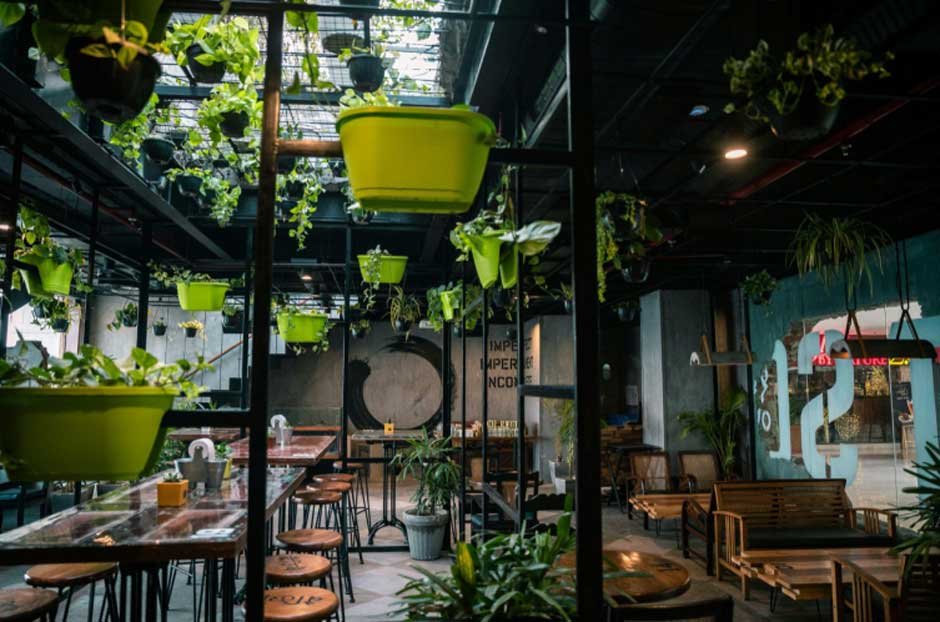
8. Choose Sustainable Furniture and Fixtures
Furniture choices influence both the environmental impact and visual identity of your restaurant. Look for furniture made from reclaimed wood, recycled metals, or sustainably harvested materials. Locally made furniture not only reduces transportation emissions but also adds a unique, handcrafted feel to your space.
Avoid overly trendy signs that may feel quickly outdated. Timeless furniture styles reduce the need for frequent renovations, saving money and significant resources. Even small elements, such as recycled glass, repurposed decor, or lighting fixtures, can make a meaningful sustainability statement.
9. Create a Healthy and Comfortable Indoor Environment
Sustainable design goes beyond energy and materials; it also focuses on human well-being. A healthy indoor environment improves comfort, productivity, and customer satisfaction. Good ventilation helps manage heat, humidity, and odors, particularly in open-kitchen concepts.
Acoustic design, including sound-absorbing panels made of recycled materials, can reduce noise levels and enhance the overall dining experience. Moreover, comfortable seating, proper lighting, and balanced temperatures encourage guests to stay longer and return more often, directly supporting revenue growth.
10. Design for Flexibility and Longevity
First-time restaurant owners often design for opening day without considering future needs. Keep in mind that sustainable design takes a long-term view. Flexible layouts allow you to adapt to changing seating requirements, menu concepts, or service styles without major renovations. Movable partitions and modular furniture make updates easier and less wasteful. Designing for longevity reduces your restaurant’s environmental impact while protecting your investment.
11. Use Design to Tell Your Sustainability Story
Your design choices should quietly yet clearly communicate your values. Exposed reclaimed materials, visible recycling or composting stations, and subtle signage explaining sustainable features can help customers understand your commitment. Remember that transparency builds trust. When sustainability is visible and integrated into your space, not just mentioned in marketing, it resonates strongly with eco-conscious diners.
Endnote
For first-time restaurant owners, sustainable design may feel complex, but it is one of the smartest investments you can make. Thoughtful decisions about layout, materials, energy use, water conservation, and waste reduction can lead to lower operating costs, healthier spaces, and stronger brand loyalty.
Sustainable restaurant design is not just an environmental responsibility; it’s an advantage when used strategically. By planning carefully from the start, you can create a restaurant that is efficient, adaptable, and aligned with modern dining values. In the long run, a well-designed sustainable restaurant doesn’t just serve great food; it becomes a place that customers are proud to support and return to again and again.