
Eco-friendly homes no longer sit in a niche category. Rising energy prices, changing regulations, and growing awareness push more households to rethink how their spaces use power, water, and materials. A house that runs efficiently saves money, feels more comfortable, and places less strain on local resources.
Reaching modern standards can feel like a huge project from the outside. In practice, progress comes from a series of clear, manageable steps. When you understand where your home wastes the most and which upgrades create the biggest impact, you can move in a focused direction instead of guessing.
Start With An Honest Assessment Of Your Home
Before any upgrade, you need a clear picture of current performance. A home energy audit provides that snapshot. During an audit, a trained professional walks through the property, checks insulation, looks for air leaks, tests equipment, and reviews past utility bills. The final report highlights weak spots and ranks improvements by impact.
You can start with a simple self-check if a full audit feels out of reach right now. Look for drafts around windows and doors, rooms that always feel hotter or colder than others, and appliances that look older than a decade. Track utility usage for a few months and note patterns across seasons. These observations reveal where comfort and efficiency fall short before you spend any money.
Share this information with contractors and suppliers as you plan projects. Clear data helps them suggest specific changes instead of generic packages that may not fit your house.
Focus On High-Impact Energy Improvements
Energy use often shapes whether a home meets modern standards. Heating, cooling, and hot water usually draw the most power or fuel. Upgrades in these areas move the needle faster than small changes scattered across many minor loads.
Start with the building shell. Air sealing around gaps and adding insulation in the attic, crawl space, and walls can reduce energy loss significantly. Once the shell performs better, heating and cooling systems can work more efficiently, since they no longer fight constant leaks. Some households then choose to invest in eco-friendly home upgrades such as high-efficiency heat pumps, improved thermostats, and better ductwork so the entire system works as a coordinated whole. These steps cut energy waste and often improve comfort in hard-to-heat rooms.
Windows play a role as well. In some homes, new glazing pays off; in others, careful sealing, storm panels, and shading solve most problems at lower cost. A good assessment tells you which path fits your case best instead of defaulting to the most expensive option.
Tackle Water Use, Fixtures, And Materials
Water often hides in the background of eco-friendly efforts, yet it links directly to energy use and local resource strain. Hot water requires energy to heat, and every gallon that reaches your meter passes through treatment facilities. Reducing waste supports both household bills and wider infrastructure.
Simple fixture swaps help. Low-flow showerheads and faucets deliver comfort while cutting volume. Dual-flush or efficient toilets reduce water per use without changing habits. An insulated hot water tank and shorter pipe runs reduce heat loss between the heater and tap. These changes feel small during installation and noticeable on monthly statements.
Materials matter as you renovate. Look for durable products with low emissions. Natural or recycled content in flooring, tiles, and cabinetry can reduce environmental impact. Choose finishes with low volatile organic compounds so new surfaces do not fill the house with strong chemical smells for weeks. A few thoughtful selections during each project gradually shift the whole home toward a cleaner profile.
Improve Indoor Air Quality Alongside Efficiency
A tighter, well-sealed home uses less energy, yet it needs deliberate airflow to stay healthy. Without ventilation, pollutants from cooking, cleaning products, and building materials linger longer. Moisture builds up in bathrooms and kitchens, which invites mold and damages finishes.
Mechanical ventilation systems create controlled air exchange. Options range from simple exhaust fans in key rooms to balanced systems that bring in fresh air while capturing some of the outgoing heat. Kitchen hoods that vent outside and bathroom fans on timers make a noticeable difference in comfort and health.
Household habits support these systems. Regular filter changes for HVAC equipment, careful storage of chemicals, and a preference for low-emission products all reduce the load on interior air. Plants, regular cleaning, and avoiding indoor smoking round out a healthy approach that sits comfortably inside modern eco-friendly standards.
Use Smart Controls And Everyday Habits
Technology can guide better decisions without constant attention from you. Smart thermostats learn your patterns and adjust temperatures automatically. Connected plugs and power strips let you switch off clusters of devices with a single tap, reducing standby consumption from electronics.
Lighting provides another easy win. LED bulbs use far less electricity than older types and last longer, which cuts both energy and waste. Motion sensors or timers in garages, closets, and exterior fixtures prevent lights from running for hours when no one needs them.
Habits still matter. Turning off lights when leaving a room, washing full loads of laundry, and line drying part of your clothing mix all add up. None of these actions feels dramatic, yet together they shift daily operation toward a more efficient baseline. The more you build them into routine, the less effort they require.
Plan Projects In Phases And Track Progress
Modern eco-friendly standards can involve certifications, checklists, or local codes, and those frameworks may look complex at first glance. Treat them as roadmaps rather than rigid demand lists. You do not need to complete everything at once.
Create a phased plan with short, medium, and long-term projects. Short-term steps might include sealing obvious gaps, swapping bulbs, and adjusting thermostat settings. Medium-term goals could cover insulation upgrades, new windows where most needed, and lighting controls. Long-term plans often involve system replacements such as heating equipment, solar installations, or major remodels.
Track changes in a simple way. Keep a log of upgrades, dates, and pre- and post-utility bills. Note comfort improvements, such as fewer cold drafts or more stable temperatures. This record shows how each step contributes to your goals and helps you decide where to focus next. It also supports resale value by demonstrating documented improvements to future buyers.
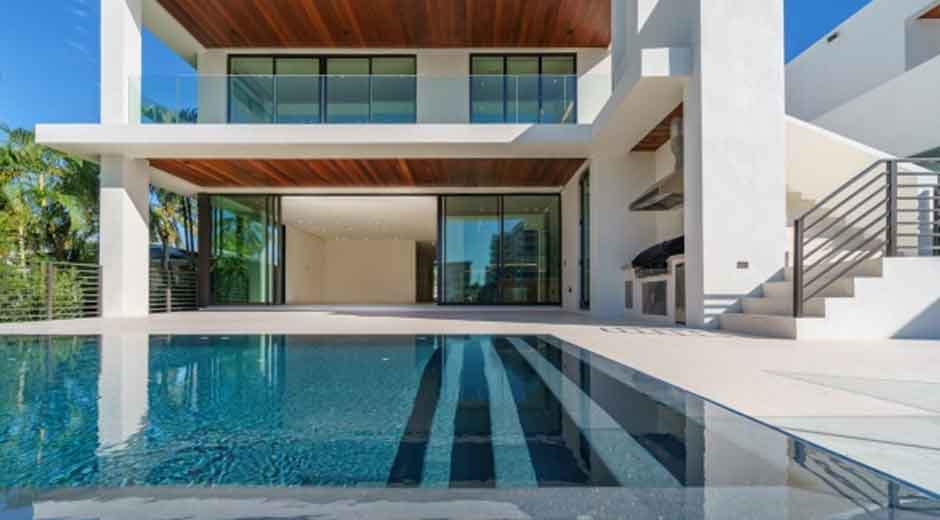
Meeting modern eco-friendly standards does not require a complete rebuild or perfect performance in every category. Real progress comes from understanding how your home behaves, strengthening the building shell, trimming energy and water waste, improving indoor air, and supporting everything with smart controls and steady habits.
Each project nudges the house toward a more efficient, comfortable, and resilient state. As upgrades accumulate, you feel the difference in lower bills, quieter rooms, and a space that aligns more closely with current expectations for responsible living. That steady, practical approach turns an abstract goal into a home that works better for both your family and the environment.