
Accessory Dwelling Units—commonly called ADUs—have become one of the most popular ways for homeowners to unlock more living space, add rental income, or create flexible housing solutions for family members. As housing prices rise and multigenerational living becomes more common, more people are asking the same question: What is an ADU, and should I build one?
This guide breaks down everything you need to know in a clear, practical way—what an ADU is, the different types, key benefits, regulations, costs, and how to determine whether building one makes sense for your property.
What Is an ADU? (Simple Definition)
Core Definition of an Accessory Dwelling Unit
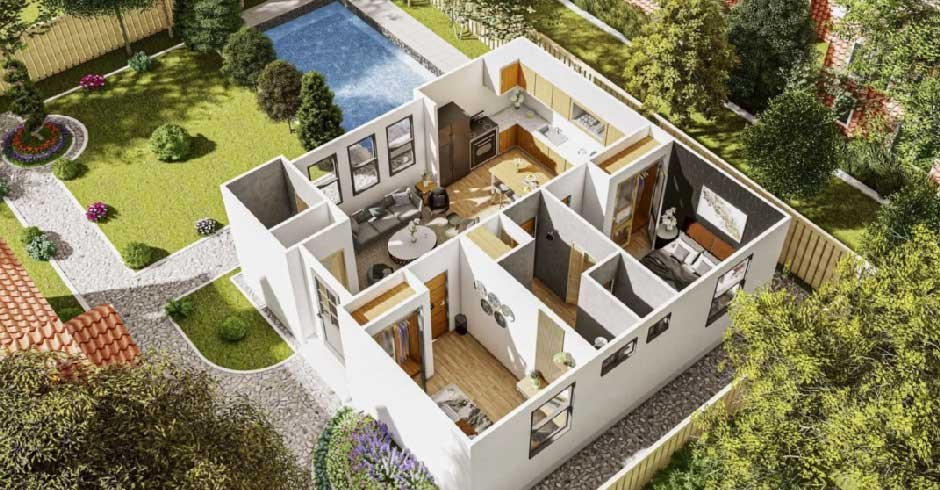
An ADU is a secondary, self-contained living space built on the same lot as a primary residence. It has its own entrance, kitchen, bathroom, and sleeping area, making it a completely independent living unit.
ADUs can be attached, detached, or created by converting existing space such as a garage or basement. Despite being separate living quarters, they remain legally tied to the main property.
Why ADUs Matter Today
ADUs have gained popularity because they provide:
• More affordable housing options
• Space for aging parents or adult children
• Additional rental income
• A way to increase property value
• A flexible space for guests, home offices, or caregivers
Many states—especially California and Washington—have updated laws to make ADUs easier to build, reducing permitting barriers and relaxing zoning restrictions.
Different Types of ADUs
Detached ADU (Backyard Cottage)
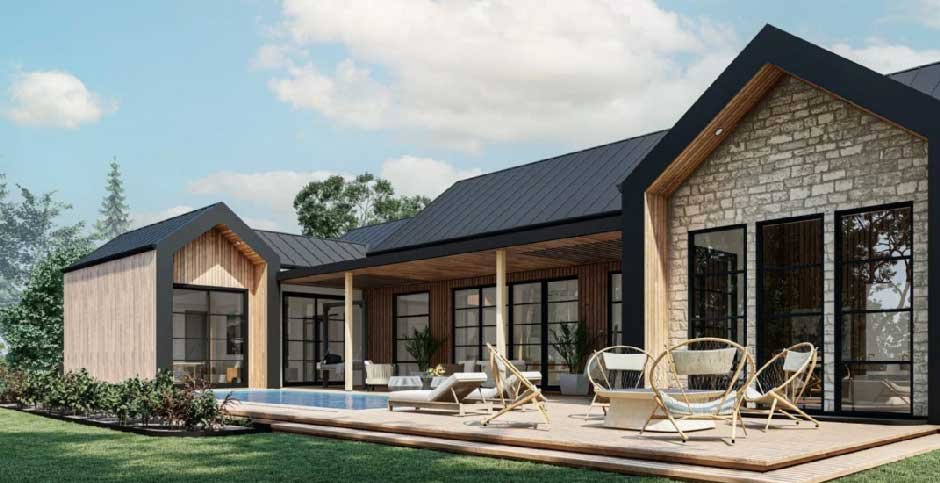
A standalone structure built separate from the main home. It offers the most privacy and design freedom, making it popular for full-time rentals or long-term family housing.
Attached ADU
This ADU is built as an extension of the existing house, sharing one wall but maintaining a separate entrance. It’s a great middle-ground option for homeowners who want cohesion with the main structure.
Garage Conversion ADU
Perfect for maximizing existing space. The garage is converted into a fully equipped living unit, usually requiring insulation, plumbing, and layout updates.
Interior Conversion ADU / JADU
Interior conversions transform an unused basement, attic, or large room into a separate living space. Junior ADUs (JADUs) are smaller, usually up to 500 sq ft, and often share some utilities with the main home.
Benefits of Adding an ADU to Your Property
Increased Property Value
A well-designed ADU almost always boosts a home’s market value. Buyers see ADUs as valuable long-term assets that provide flexibility and multiple use cases.
Rental Income Potential
ADUs can provide steady monthly income, whether used for long-term tenants, traveling nurses, or furnished housing options.
Multigenerational Living
They allow families to stay connected without sacrificing privacy. Perfect for aging parents, grandparents, or young adults beginning their careers.
Flexible Use Options
An ADU can serve as a:
• Private guest suite
• Home office or studio
• Short-term rental
• Caregiver residence
• Hobby or creative space
ADU Regulations: What Homeowners Need to Know
General ADU Requirements (National Overview)
Most regions regulate ADUs based on:
• Size limits
• Setbacks from property lines
• Height restrictions
• Parking rules
• Utility and sewer connections
Many cities have simplified these rules in recent years to encourage ADU development.
California ADU Rules Overview
California is one of the most ADU-friendly states. Recent laws have:
• Streamlined permitting timelines
• Allowed both ADU + JADU on one lot
• Reduced parking requirements
• Limited HOA restrictions
Why Local Expertise Matters
ADU laws vary by city, not just state. Homeowners in California often rely on specialists such as ADU in Sacramento to navigate zoning rules, construction standards, and local utility requirements that impact ADU feasibility.
How Much Does It Cost to Build an ADU?
Cost Ranges by Type
Costs vary based on structure type and complexity:
• Interior/JADU conversions: typically the most affordable
• Garage conversions: moderate cost depending on structural upgrades
• Attached ADUs: mid-range to high
• Detached ADUs: highest cost due to full construction and utilities
Factors That Affect Cost
Major cost drivers include:
• Square footage
• Material selection
• Site preparation needs
• Plumbing/electrical upgrades
• Design complexity
• Permit and impact fees
Permit & Impact Fee Considerations
Some cities have reduced or waived impact fees for ADUs, especially for units under 750 sq ft. However, engineering and utility connection fees still apply.
ADU Design, Layout & Construction Considerations
Space Planning & Layout Efficiency
Because ADUs are typically smaller than full homes, efficient design is essential. Smart layouts maximize storage, daylight, and privacy.
Privacy, Access & Outdoor Integration
ADU placement affects both the tenant and the main household. Consider:
• Location of entrances
• Sightlines from the main home
• Shared yard use
• Pathways, lighting, and landscaping
Working With a Design-Build Team
For custom, architecturally cohesive ADUs, many homeowners partner with design-build firms like Origami Design Build, who offer a streamlined approach that handles design, engineering, permitting, and construction as one unified process. This reduces miscommunication and keeps projects on schedule.

Steps to Determine If You Can Build an ADU on Your Property
Step 1 – Review Local Zoning & Lot Requirements
Check allowable ADU sizes, setbacks, height rules, and owner-occupancy requirements in your city.
Step 2 – Evaluate Your Lot Layout
Look at:
• Available yard space
• Utility access
• Privacy considerations
• Emergency access requirements
Step 3 – Assess Your Budget
Get a general understanding of cost ranges for the type of ADU you want. Early budgeting avoids surprises later on.
Step 4 – Consider Long-Term Use & ROI
Is your ADU for income, family, guest use, or future resale value? Your long-term goal influences layout, size, and design decisions.
Common Mistakes to Avoid When Planning an ADU
Underestimating Total Costs
Hidden factors like excavation, utility relocation, or foundation work can increase budgets quickly.
Ignoring Privacy or Access Layouts
A poorly placed ADU can create frustration for both households and reduce rental desirability.
Not Accounting for Permitting Timelines
Some cities review permits faster than others. Expect delays in busy jurisdictions.
Choosing the Wrong Builder
Experience matters. ADUs require specific structural and design knowledge, so hiring the right team is essential.
Conclusion
ADUs offer homeowners a powerful way to increase property value, create rental income, and support family living arrangements. Understanding what an ADU is—and how they’re designed, regulated, and built—helps you make a confident decision for your own property.
With smart planning, a clear understanding of your city’s requirements, and support from experienced professionals, an ADU can become one of the most versatile and valuable additions to your home.