
More homeowners are embracing sustainable improvements as they look for ways to reduce energy use, minimize waste, and create healthier living environments. Sustainable upgrades support the planet and enhance comfort, increase efficiency, and boost long-term home value.
Many of these improvements are surprisingly attainable, even for families working with a moderate budget. With thoughtful planning, strategic choices, and an understanding of eco-friendly options, you can transform your home into a more efficient, responsible, and enjoyable space.
Sustainability is not just about large-scale renovations. Even small upgrades make meaningful differences. When these changes work together, the entire home becomes more resilient, more resource-efficient, and better suited for the future.
Enhancing Outdoor Spaces With Eco-Friendly Design and Durable Materials
Outdoor areas offer excellent opportunities for sustainable upgrades because they influence both home enjoyment and environmental impact. Simple adjustments, like choosing native plants, reducing water use, and adding shade structures, support healthier landscapes while lowering long-term maintenance.
Many homeowners find that investing in durable, environmentally responsible materials transforms the backyard into a space that lasts longer and performs better. The experts from Platinum Deck and Patio observe that many prefer outdoor improvements that provide long-term value and functionality, such as building a deck. Opting for sustainably sourced wood or recycled composite materials reduces environmental strain while offering strong resistance to weather and wear. These types of durable structures minimize the need for frequent replacement, reducing both waste and long-term costs.
Eco-conscious outdoor designs improve energy efficiency indoors. Thoughtfully placed shade structures, overhangs, and pergolas can reduce sun exposure, lowering cooling needs during warmer seasons. Installing solar lighting or energy-efficient LEDs enhances outdoor beauty while using a fraction of the electricity required by traditional lighting.
Improving Energy Efficiency Through Smarter Insulation and Sealing
One of the most effective sustainable upgrades involves improving insulation. Proper insulation helps regulate indoor temperature, keeping the home cool in summer and warm in winter. Better temperature control reduces reliance on heating and cooling systems, lowering energy bills and shrinking the household’s carbon footprint.
Sealing gaps around windows, doors, and attic openings enhances insulation performance. Weatherstripping prevents drafts that cause HVAC systems to work harder. For older homes, adding insulation to attics, crawl spaces, and walls yields major improvements. Spray foam, cellulose, and recycled cotton insulation all serve as eco-friendly options.
These upgrades improve indoor comfort. Consistent temperatures reduce cold spots and eliminate the discomfort of fluctuating conditions. Families experience a more balanced home environment that feels stable year-round.
Choosing Energy-Efficient Appliances and Lighting
Energy-efficient appliances play a major role in sustainable living. Refrigerators, dishwashers, laundry machines, and heating systems with high efficiency ratings use less electricity and water than older models. While replacing appliances requires upfront investment, long-term savings often outweigh the initial cost.
LED bulbs reduce energy consumption significantly compared to incandescent lighting. They last longer, generate less heat, and provide brighter illumination. Installing dimmer switches or smart lighting systems adds even more control, allowing homeowners to reduce usage during times when full lighting is unnecessary.
Smart thermostats contribute to sustainable improvements. These devices learn household routines and adjust temperature settings automatically, minimizing wasted energy. With programmable schedules and remote control options, smart thermostats help homeowners stay efficient without constant monitoring.
Introducing Eco-Friendly Flooring and Interior Materials
Indoor materials influence both sustainability and health. Many modern flooring options, such as bamboo, cork, reclaimed wood, and recycled tile, offer environmentally responsible solutions that enhance aesthetics. These materials come from renewable or repurposed sources, reducing the demand for newly manufactured products.
Low-VOC paints and finishes help improve indoor air quality. Traditional paints release volatile organic compounds that can linger for months, affecting respiratory comfort. Choosing low-VOC or zero-VOC products creates a healthier living environment, especially for children, pets, or individuals with allergies.
Eco-friendly wallpaper, recycled countertops, and natural fiber rugs add finishing touches that align with sustainability while elevating home style.
Installing Water-Saving Fixtures and Smart Irrigation Systems
Water conservation is an important part of sustainable home design. Simple upgrades, such as low-flow showerheads, dual-flush toilets, and aerated faucets, significantly reduce water usage without sacrificing performance. These fixtures limit waste while maintaining strong water pressure.
In outdoor areas, smart irrigation systems monitor weather conditions and adjust watering schedules automatically. This prevents overwatering, lowers utility costs, and supports healthier plant growth. Native plants require less water and maintenance, further reducing environmental impact.
Rainwater capture systems offer another sustainable solution. Collecting rainwater for gardening or outdoor cleaning reduces reliance on municipal water and promotes self-sufficiency.
Strengthening Heating and Cooling Performance With Modern Systems
Heating and cooling systems account for a large portion of household energy use. Upgrading to modern, energy-efficient systems improves sustainability immediately. Heat pumps, for instance, offer both heating and cooling in one unit while using significantly less energy than traditional systems.
Routine maintenance enhances efficiency. Cleaning filters, clearing ducts, and scheduling annual inspections ensure that systems run smoothly and avoid unnecessary strain.
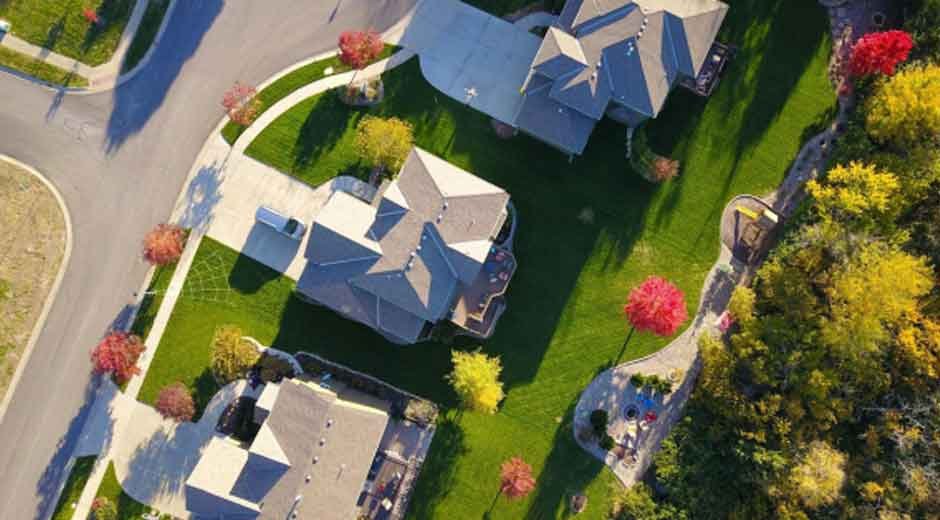
Sustainable improvements do not require dramatic transformations or overwhelming expenses. By focusing on durable materials, energy efficiency, water conservation, and healthier interior choices, homeowners can create spaces that feel more comfortable and environmentally responsible.