
Mental wellness is closely linked to the environment we live in. Nature supports the brain in many ways, according to research. Those who live near green spaces are calmer and feel more balanced. Sleep better and worry less. These changes can help you build emotional strength and clarity over time.
In the United States, mental health problems are common. Every year, almost one out of five adults suffers from a mental illness. Many people receive support, but others still struggle. Connecting with nature, a low-cost method that can improve mental health in a natural and steady way, is one of the best ways to do this.
The Science Behind Nature and Mental Wellness
Nature has a positive impact on our emotional health, according to research. Even a brief visit to a green space or park can help reduce stress hormones such as cortisol. This drops helps to relax the mind. Many people report a better mood and more clear thinking after spending some time outside.
Large studies have also shown that green environments can reduce feelings of anxiety and depression. These results are seen across a wide range of age groups and cultures. The brain can recover from mental fatigue by spending time in nature. It also allows the nervous system to reset.
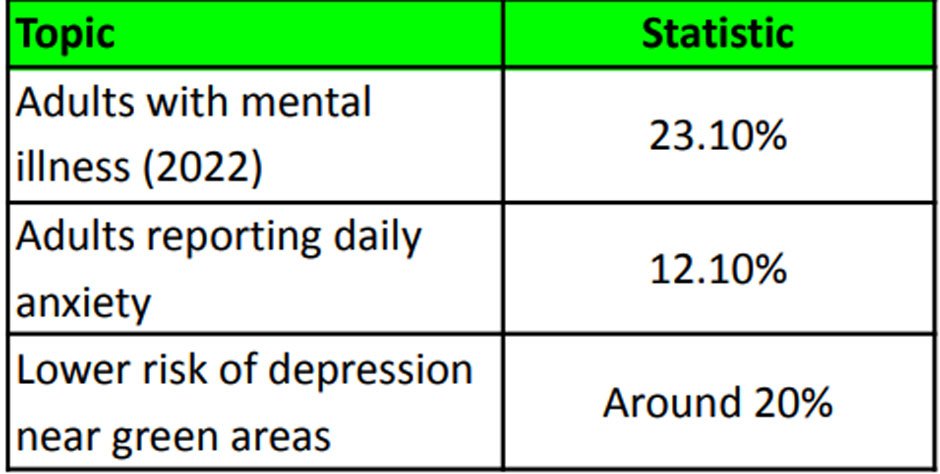
Green spaces can also reduce loneliness. Even a simple window view of trees can lift your mood. People who live in areas with less greenery report feeling less emotional distress. Living near green spaces can reduce depression risk by up to 20 percent, according to one study.
How a Green Lifestyle Boosts Mental Wellness
It is not just about going to the mountains or forests. You can incorporate it into your daily routine. Nature can be incorporated into daily life by taking a walk to the market, picking a route that has trees, growing plants indoors, or creating a balcony garden.
This constant exposure to nature can be achieved by small, everyday actions. This constant contact with nature can have a positive impact on mental health over the course of several weeks or months. Green lifestyles encourage more social interaction, fresh air and sunlight. These factors have been proven to improve mental health.
Nature is a great help in so many ways. It soothes the nervous system. Stress is reduced. It helps improve sleep by balancing your mind. It increases attention and reduces emotional clutter. These small benefits add up over time to a sense of emotional stability.
Green Therapy and Mental Health Care Programs
Nature-based therapies are now part of many mental health programs. Included are guided outdoor walks and forest therapy. Also, there are outdoor counseling sessions, community gardens, as well as outdoor counseling sessions. These methods have been shown to reduce anxiety and improve mood.
The best results are achieved when these programs are used in conjunction with other formal treatments, such as therapy and medication. These programs are not intended to replace medical care when necessary. They can help you recover and improve your quality of life.
American Health Security provides these services in the USA. These services connect people to nature-based programs, mental health care and support. Also, they work with local groups and parks to find people safe, useful outdoor activities. Mental Wellness is now more accessible to many people thanks to this approach.
Key Stats That Show the Power of Green Living
Nature and mental health are strongly linked, according to research. These simple numbers explain the impact.
Mental Health in the United States
Why Green Spaces Must Be Part of Future Cities
To improve public health, city planners now add more parks, trees and roof gardens. Green cities promote both mental and physical wellness. Nature nearby makes people feel more relaxed, less stressed, and safer.
Inequality can be reduced by green design. In low-income areas, there is often a lack of greenery which leads to increased stress. Addition of parks and green areas can improve the emotional well-being of whole communities.
Building Healthy Habits Through Nature
Green living builds good habits for the mind. Plant care is a way to bring routine and calm. Outdoor group gardening fosters social support and trust. By choosing to walk or bike instead of drive, you can improve your physical health and mood.
Exercise can help reduce anxiety and depression. Exercise in nature has multiple benefits. Serotonin is increased by sunlight. The fresh air can help you clear your mind. Natural sounds relax the brain.
Simple Steps to Start Living Green
You can start today. Visit a park nearby. Slowly walk. Take a deep breath. Take in the sounds, the leaves and the sky. Even 10-20 minutes of time spent outside can boost your mood. Indoor plants or a balcony garden are good options if outdoor space is restricted.
Invite a family member or friend. Spending time together outdoors can strengthen relationships and increase happiness.
These small steps will create a foundation for lasting mental health.
A Strong Future for Mental Wellness Through Nature
Mental wellness is not something that can be achieved in a day. Slowly, it grows through small healthy choices. The nature plays an important role in this growth. It reduces stress, improves mood and helps people recover after emotional fatigue.
Green living is a good complement to professional mental health care. This is not a substitute for medication or therapy, but it can improve overall health and well-being, make treatment more effective and support recovery.
American Health Security is one of the organizations that has brought these practices to the forefront of mental health care in America. Their work allows people to use nature as a tool for healing while still receiving the clinical support that they need.