
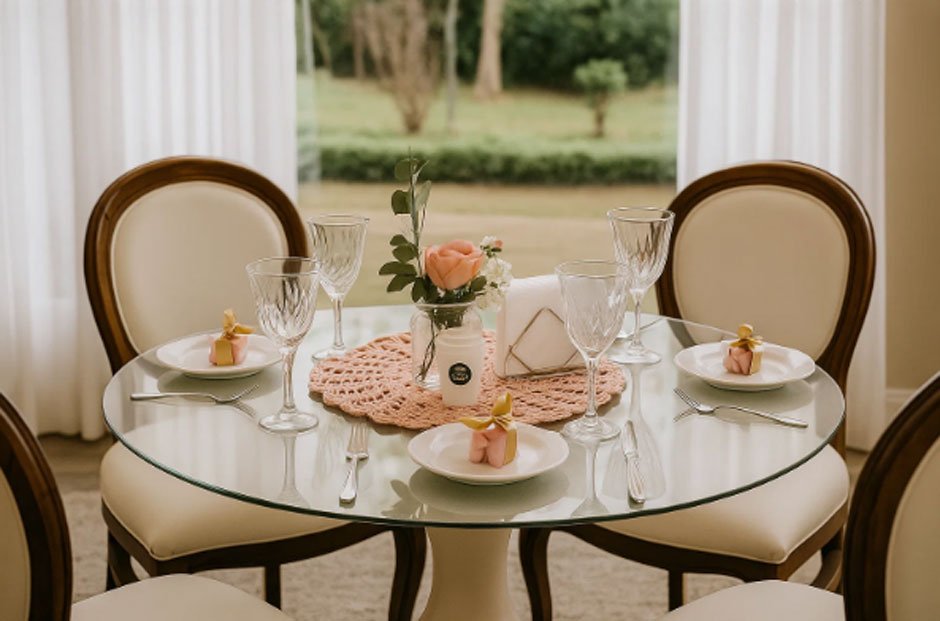
A round table top is one of the most versatile and timeless pieces of furniture design. Whether made from glass, wood, marble, or other materials, it can transform a dining area, office space, or outdoor patio into a functional and stylish setting. The circular shape has been valued for centuries for promoting conversation, maximizing seating, and blending effortlessly with different décor themes.
In this article, we will explore everything you need to know about round table tops: their benefits, materials, design choices, and available sizes. You will also gain insights into how to choose the right one for your space, how they compare with other shapes, and practical tips for long-term care.
What Makes a Round Table Top Preferred Choice?
Round tables have always symbolized inclusivity. Unlike rectangular or square designs, everyone seated has equal spacing and visibility. This makes them especially popular in both homes and restaurants.
Some key benefits include:
- Conversation-Friendly Layout: Everyone faces each other directly, which makes dialogue natural and engaging.
- Space Optimization: Ideal for smaller rooms, as the absence of sharp corners creates a softer footprint.
- Flexible Seating: Easier to pull up an extra chair without awkward positioning.
- Safety: No pointed edges, which is particularly helpful in households with children.
Popular Uses of Round Table Tops
Round table tops are incredibly versatile and can be integrated into nearly any environment.
1. Dining Rooms
Perhaps the most common setting, a round dining table fosters intimate meals and can scale from compact two-seaters to larger family gatherings.
2. Restaurants and Cafés
Commercial settings often favor round tables because they accommodate groups of varying sizes while maintaining a cozy atmosphere.
3. Conference and Office Rooms
Round table tops are often used in meeting rooms to encourage equality during discussions, reinforcing a collaborative environment.
4. Outdoor Patios
Glass or stone round tops are excellent for patios since they withstand outdoor conditions and provide a stylish, modern look.
Glass Materials Commonly Used in Round Table Tops
A glass round table top offers elegance and visual lightness. Glass pairs well with metal or wooden bases, making it adaptable to modern and classic interiors. It also reflects light, helping smaller rooms feel more spacious.
- Tempered Glass: Stronger and safer than standard glass, often used in dining tables.
- Clear Glass: Allows the base design to shine through.
- Frosted Glass: Offers privacy and a softer look.
Design Considerations for Round Table Tops
1. Edge Styles
- Beveled Edge: Adds dimension and a touch of elegance.
- Flat Polished Edge: Clean, modern aesthetic.
- Ogee Edge: A classic, ornate style often found in traditional interiors.
2. Thickness
Most glass table tops range from 3/8 inch to 1/2 inch thick, ensuring both strength and durability.
3. Base Compatibility
The base plays a critical role in supporting the table top. Pedestal bases are common because they eliminate leg obstructions, making seating more comfortable.
Available Sizes of Round Table Tops
Round table tops are available in multiple diameters to suit different spaces. Here are common sizes in the U.S. market:
- 18 inches (10 mm Thick): Ideal for compact breakfast nooks or intimate two-person dining.
- 20 inches (10 mm Thick): Perfect for small apartments or café-style settings.
- 30 inches (10 mm Thick): Comfortably seats up to four people.
- 32 inches (10 mm Thick): A popular family size for medium dining rooms.
- 36 inches (10 mm Thick): Accommodates 4–6 people; versatile for both homes and restaurants.
- 42 inches (10 mm Thick): Works well for larger dining areas, comfortably seating six.
- 48 inches (10 mm Thick): Spacious enough for 6–8 people, often used in dining rooms or meeting spaces.
Comparing Round Table Tops to Other Shapes
Round vs. Rectangular
- Round tops maximize seating flexibility, while rectangular tables are better suited for linear spaces.
- Rectangular tables can handle larger groups, but they can feel less personal compared to the inclusivity of round tables.
Round vs. Square
- Square tables can create symmetry in modern spaces but can be limiting in seating numbers.
- Round tables offer smoother traffic flow in tight areas.
How to Choose the Right Size Round Table Top
When selecting a round table top, consider the room dimensions, number of people you want to seat, and furniture arrangement. A simple rule of thumb: allow at least 36 inches of clearance around the table for comfortable movement.
Conclusion
Round table tops are more than just surfaces; they are central to the way we gather, eat, and connect. From glass to wood to stone, and from 24-inch breakfast nooks to 72-inch conference tables, the options are nearly endless. Their ability to balance style, function, and inclusivity makes them a staple across homes, restaurants, and offices.
By understanding the available sizes, materials, and design details, you can choose the perfect round table top for your space, one that enhances both aesthetics and everyday living.