
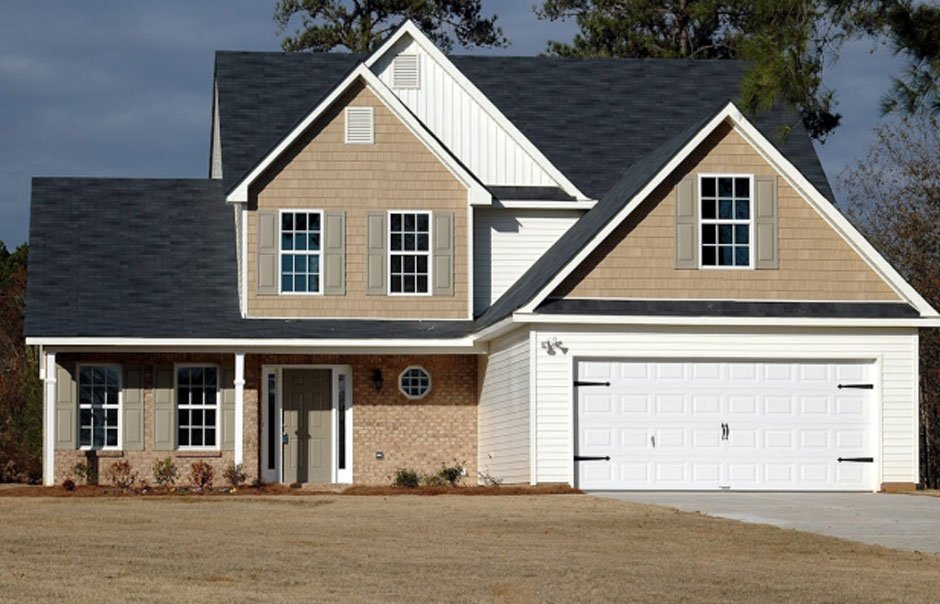
Regular upkeep is essential for every home, especially in Pensacola, FL, where humidity and seasonal storms can cause unexpected problems. Maintaining your property helps prevent damage, extend the life of fixtures, and create a safe environment. Many homeowners underestimate how pests, moisture, and wear can affect a property over time. A structured checklist from roof to basement allows you to address minor issues before they become costly repairs.
Here are some practical steps for inspections, maintenance, and preventive care:
Inspecting the Roof and Gutters
Start at the top by examining your roof for missing shingles, cracks, or signs of leaks. Look for water stains in the attic as early indicators of problems. Clearing debris from gutters and downspouts prevents water accumulation that can damage fascia and siding. Inspect flashing around chimneys and vents to ensure it remains sealed. Trim nearby trees to avoid branches scraping shingles or dropping leaves that block water flow. Check that all downspouts direct water away from the foundation to prevent flooding in lower levels. Regular inspections help identify small issues, keeping the structure strong and reducing the risk of unexpected repair bills.
Safeguarding Your Home from Pests
Pensacola’s warm, humid climate creates an ideal environment for pests like termites, ants, mosquitoes, and rodents. Preventive measures include sealing cracks, keeping food stored securely, and removing standing water. Scheduling routine inspections is crucial, as pests often go unnoticed until damage occurs. If you’re looking for solutions offered by reputable contractors like Insight Pest Control Pensacola, FL, has comprehensive options that protect both interior and exterior areas. The company’s technicians use precise treatments, safe for families and pets, targeting nests, entry points, and common problem zones. Combining regular professional service with home prevention practices keeps your property pest-free year-round.
Maintaining Exterior Walls and Siding
Examine walls and siding for cracks, gaps, or peeling paint. Even minor damage can let moisture in, leading to rot or mold growth. Clean the exterior periodically to remove dirt, pollen, or mildew that accumulates from the area’s humid conditions. Repainting faded surfaces protects materials and enhances the look of your residence. Check caulking around windows and doors, replacing deteriorated sections to improve insulation and prevent water intrusion. Small repairs prevent long-term issues and keep surfaces durable. Maintaining the walls also discourages pests from gaining access and supports the overall appearance and functionality of your property, making it safer and more comfortable.
Window and Door Checks
Inspect window and door frames for cracks or damage. Ensure weather stripping is intact to prevent drafts and moisture entry. Check locks, handles, and hinges for smooth operation and repair any issues promptly. Clean glass and tracks regularly to avoid buildup that can impede movement. Sealing gaps reduces energy loss and helps prevent insects or rodents from entering the property. If you notice foggy panes, consider evaluating the sealant or consulting a specialist. Routine checks of doors and windows not only maintain comfort and security but also protect interior finishes from exposure to the elements, prolonging their lifespan and performance.
HVAC System Care
Heating, ventilation, and cooling systems require regular attention for efficiency and safety. Replace filters every few months to maintain airflow and reduce dust accumulation. Clean ducts when necessary to prevent allergens from circulating inside. Schedule professional inspections annually to check for leaks, electrical issues, or worn components. Test the thermostat and controls to ensure accurate operation. Regular maintenance helps avoid breakdowns during extreme weather, improving comfort and reducing energy costs. In the region’s humid climate, proper HVAC function also controls moisture levels, protecting your property from mold and mildew. Small, consistent efforts extend the system’s life and performance.
Plumbing and Water Systems
Start by checking under sinks and around water heaters for dampness, rust, or corrosion. Even slow drips waste water and may damage wood or flooring. Make sure valves turn freely and inspect washing machine hoses for bulges or cracks. Flush unused toilets and run water in spare bathrooms to keep traps from drying out. In areas where high humidity is common, small leaks can lead to mold growth if left unchecked. Look for signs of discoloration on ceilings and walls, which might suggest hidden leaks. Keeping an eye on your water use can also signal unseen issues behind walls or fixtures.
Electrical System Check
Electrical safety should never be overlooked. Walk through your home to test light switches and wall outlets. Replace any that feel warm, spark, or make odd noises. Check cords for fraying and confirm that extension cords aren’t overloaded. GFCI outlets in bathrooms and kitchens should trip and reset properly. Your breaker panel should be labeled, dry, and free from rust. If your lights dim when major appliances run, or if you experience frequent blown fuses, call a licensed technician to inspect further. A quick monthly inspection keeps everything running smoothly, reduces risks of shock or fire, and helps avoid surprise malfunctions.
Flooring and Basement Maintenance
Start by inspecting your floors for soft spots, warping, or signs of wear. Damp conditions in basements can promote mold, so look closely for dark stains or musty smells. Clean floors with the correct products for wood, tile, or laminate to avoid damaging finishes. Basements with sump pumps should be tested regularly—pour water into the pit to check operation. Sealing minor cracks along walls or floor joints helps reduce moisture intrusion. Decluttering lower levels and lifting stored items off the ground can prevent damage if water gets in. Regular walk-throughs help you catch early signs of trouble before they grow.
A well-organized checklist makes year-round home upkeep easier to manage. Small tasks add up to major long-term benefits, from fewer repairs to better safety and comfort. Whether you’re checking for leaks, tightening seals, or monitoring electrical connections, these consistent habits support your property’s durability. In regions where humidity and pests are common, staying ahead of problems can save time and money. Use this checklist seasonally to build a routine that fits your schedule. By taking responsibility for regular care, you’re not just fixing issues. You’re protecting the people and space that matter most to you.