
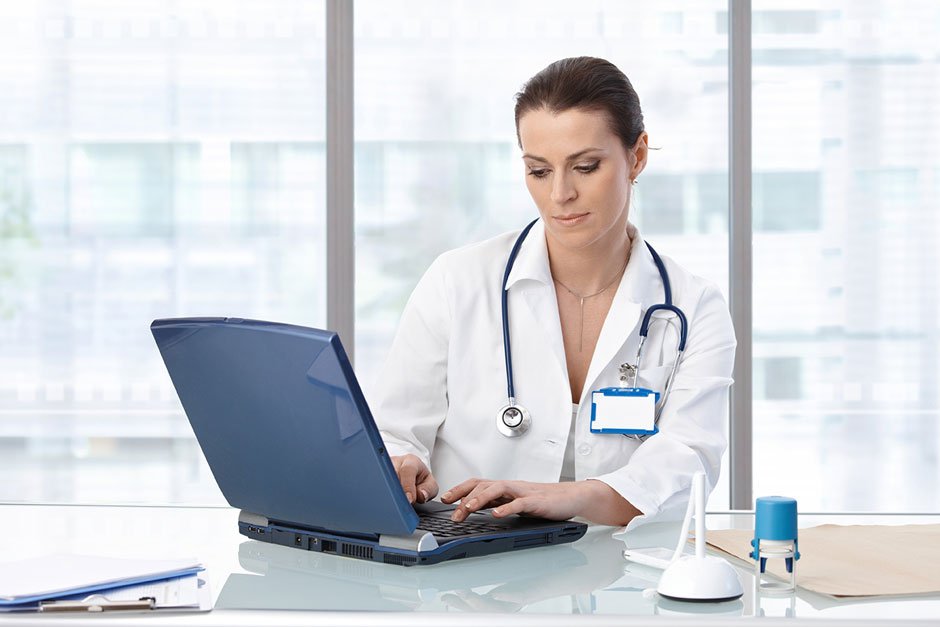
Nurse Practitioners (NPs) have become pivotal figures in modern healthcare, often bridging the gap between physicians and patients in primary and specialty settings. Their scope of practice has expanded significantly over the past decade, driven by rising demand for accessible care and a shift toward patient-centered models. As their responsibilities grow, NPs must adapt to new tools that help manage workloads, improve accuracy, and enhance patient outcomes. Digital health services provide an essential infrastructure, allowing practitioners to deliver care more efficiently while maintaining high clinical standards.
Technology has introduced a new rhythm to NP workflows, streamlining administrative tasks and supporting complex decision-making. Electronic health records (EHRs), for instance, have replaced stacks of paper charts, giving NPs immediate access to patient histories, medications, and lab results. The ability to track data in real time reduces errors and allows for personalized interventions based on evolving conditions. These systems also foster better collaboration with other clinicians by ensuring that patient information is available and up to date across a network of providers.
Yet digital transformation is not just about software adoption. It reflects a broader cultural shift in how NPs interact with patients and colleagues. The integration of technology into care delivery requires a balance between efficiency and empathy. Practitioners must learn to use screens as tools without letting them overshadow personal connections. This evolving role challenges NPs to develop technical fluency alongside their traditional clinical and interpersonal skills, making continuous professional development essential.
Telehealth and Remote Monitoring: Expanding Access to Care
Telehealth has become a cornerstone of digital health, offering NPs an opportunity to reach patients who might otherwise go untreated. Virtual visits eliminate the need for travel, making it easier for patients in rural or underserved areas to connect with qualified providers. This mode of care also benefits individuals with mobility challenges or chronic conditions that require frequent follow-up. By extending their reach, NPs can address disparities in access while optimizing time and resources.
Remote monitoring complements telehealth by enabling ongoing assessment of patients outside traditional settings. Devices that track blood pressure, glucose levels, or cardiac rhythms feed data directly to secure platforms. NPs can analyze this information to detect early signs of deterioration or adjust treatment plans before complications arise. Such proactive interventions reduce hospital readmissions and support a more sustainable healthcare system.
The success of telehealth and remote monitoring depends on thoughtful integration into practice. NPs must ensure that digital encounters maintain the same level of rigor as in-person visits, including comprehensive assessments and clear documentation. They also need to educate patients about using devices correctly and understanding shared data. When these elements align, digital tools become not just conveniences but powerful enablers of preventive and personalized care.
Streamlining Collaboration and Compliance
Effective collaboration is at the heart of quality patient care, and digital platforms make it easier for NPs to work alongside other professionals. Shared dashboards and messaging tools reduce delays in communication, allowing teams to make informed decisions quickly. This is especially valuable when coordinating complex treatment plans that involve multiple specialties. By eliminating redundant steps, digital solutions help clinicians stay focused on patient needs rather than administrative hurdles.
For many NPs, finding dependable physician partners and staying compliant with state rules can be one of the more time-consuming parts of practice. Some forward-thinking services now make that process far less daunting, pairing practitioners with doctors who not only meet legal requirements but also offer meaningful support. Resources from Collaborating Docs illustrate how technology can simplify these arrangements, and their overview of reliable partner services for NPs highlights solutions designed to help providers focus on patients rather than paperwork.
The broader implication is that digital services help align regulatory obligations with everyday clinical practice. Automated reminders, secure record-keeping, and contract management systems reduce the risk of lapses that could threaten licensure. When combined with strong collaborative networks, these tools ensure that NPs remain compliant while enjoying the support needed to grow their practice. In this way, digital health is not just a facilitator of patient care but also a protector of professional integrity.
Data Analytics and Evidence-Based Practice
Digital health services empower NPs to harness data for better decision-making. Advanced analytics platforms can aggregate information from EHRs, remote monitoring devices, and population health databases. This synthesis allows practitioners to identify patterns and correlations that might otherwise remain hidden. For example, analyzing trends in blood pressure readings across a patient panel can reveal gaps in treatment adherence or the need for lifestyle interventions.
Evidence-based practice thrives when data is both accessible and actionable. NPs can use dashboards to compare patient outcomes against established guidelines, ensuring that care plans align with current research. Predictive modeling further enhances this capability by highlighting patients at risk for complications or hospitalization. With these insights, NPs can prioritize interventions and allocate resources more effectively.
However, the value of analytics depends on careful interpretation and patient-centered application. Numbers alone cannot capture the full context of an individual’s health journey. NPs must balance quantitative findings with qualitative assessments, such as patient preferences and social determinants of health. By marrying data with empathy, practitioners ensure that technology serves as a complement to, rather than a replacement for, human judgment.
Enhancing Patient Engagement Through Digital Tools
Patient engagement is a critical determinant of health outcomes, and digital platforms offer NPs innovative ways to foster participation. Mobile apps and patient portals give individuals convenient access to their records, appointment schedules, and educational materials. When patients understand their treatment plans and can track their progress, they are more likely to adhere to recommendations and achieve desired results.
Interactive features such as secure messaging allow patients to ask questions and receive timely responses from their NP. This ongoing dialogue helps clarify instructions and reduces the likelihood of misunderstandings. Moreover, digital reminders for medication or lifestyle goals encourage accountability and create a sense of partnership in managing health.
The challenge lies in tailoring engagement strategies to diverse populations. Not all patients have equal comfort with technology, and some may face barriers related to internet access or device literacy. NPs must assess individual needs and offer support, whether through step-by-step guidance or alternative communication methods. By meeting patients where they are, practitioners can make digital tools a bridge rather than a barrier.
Supporting Professional Development and Lifelong Learning
Digital health services not only transform patient care but also support NPs in their own growth. Online continuing education programs provide convenient avenues for expanding knowledge and maintaining certification. Virtual conferences and webinars connect practitioners to thought leaders and peers, encouraging the exchange of ideas and best practices. This ongoing exposure to innovation equips NPs to stay ahead in a rapidly evolving field.
Mentorship opportunities also flourish in a digital environment. Platforms that match early-career NPs with experienced mentors facilitate guidance on clinical challenges, career planning, and leadership skills. Video conferencing enables meaningful relationships regardless of geographic distance, strengthening the profession as a whole. Access to curated content libraries ensures that NPs can explore topics of interest at their own pace.
Professional development is not just about academic achievement; it is about cultivating adaptability and resilience. As technology introduces new protocols and expectations, NPs must remain agile learners. By embracing digital tools for education and collaboration, they position themselves to thrive amid change while maintaining the core values of compassionate care.
Looking Ahead: The Future of Digital Integration
The trajectory of digital health suggests that its influence on NP practice will only deepen. Emerging technologies such as artificial intelligence and machine learning promise to refine diagnostics, predict outcomes, and automate routine tasks. These advancements could free NPs to spend more time on complex assessments and patient relationships. However, they also raise questions about privacy, equity, and the ethical use of algorithms.
To navigate this landscape, NPs must cultivate a proactive mindset toward innovation. Engaging in pilot programs or advisory roles allows practitioners to shape tools before they become widespread. By voicing concerns and sharing insights, NPs ensure that technology evolves in ways that support rather than hinder their mission. Active participation also helps build systems that reflect the nuances of clinical practice.
Ultimately, the integration of digital health services is not an endpoint but an ongoing journey. Success depends on balancing efficiency with empathy, automation with intuition, and innovation with accountability. NPs who embrace this balance will continue to deliver high-quality care while shaping the future of healthcare delivery for the better.