
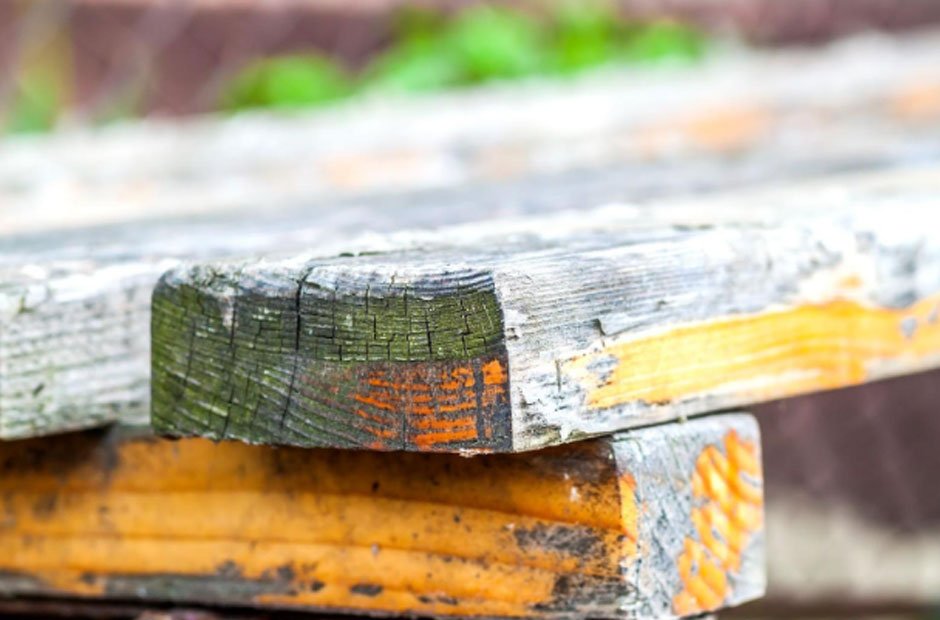
Dry rot is one of the most frustrating problems a homeowner can face. It doesn’t just affect the surface of the wood—it spreads from within, slowly weakening beams, siding, decks, and even the structural frame of a home. Many people wonder if dry rot can be treated without replacing the affected wood, especially if the damage looks small on the surface.
The truth is: sometimes you can treat dry rot without replacing wood entirely, but it depends on how deep and widespread the problem is. Let’s break it down.
What Exactly Is Dry Rot?
Dry rot is a type of fungal decay that thrives in damp, poorly ventilated areas. Despite its name, dry rot needs moisture to begin. Once it starts, the fungus digests the fibers that give wood its strength, leaving behind brittle, crumbly sections that can no longer carry weight.
That’s why early detection is so important. Catching it in the beginning stages can mean the difference between a minor repair and a major replacement.
For homeowners looking into expert dry rot repair solutions, understanding the stages of damage helps in deciding whether treatment or replacement is the smarter choice.
When Can Wood Be Treated Instead of Replaced?
Wood affected by dry rot can sometimes be saved if the damage is limited to the surface. In these cases, the following approach may be used:
- Remove Decayed Areas – All the soft, crumbly wood must be scraped or cut away until only solid material remains.
- Kill the Fungus – A fungicidal treatment is applied to stop the rot from spreading further.
- Reinforce the Wood – Epoxy consolidants or fillers are used to restore strength to the wood. These products penetrate into the fibers and create a hardened surface that resists future decay.
This method works best for non-structural elements like trim, window frames, or small areas of decking.
When Replacement Is the Only Option
If dry rot has reached the core of the wood, or if the damage involves structural components like beams, posts, or floor joists, replacement is usually unavoidable. Wood weakened at its core loses its ability to carry loads, and no amount of filler can restore its original strength.
In cases like these, replacing the affected sections is not only safer but also ensures the problem doesn’t return.
Homeowners often choose certified dry rot repair services to make sure that hidden damage is addressed before it spreads to other areas.
How to Prevent Dry Rot From Coming Back
Even after treatment or replacement, prevention is key. Here are a few steps to keep your home protected:
- Control Moisture – Fix leaks quickly, redirect downspouts, and ensure proper drainage around your foundation.
- Improve Ventilation – Areas like crawl spaces and attics need airflow to stay dry.
- Seal and Protect Wood – Regularly apply protective finishes, paints, or sealants on exposed wood surfaces.
- Inspect Regularly – Early signs of rot are easier to treat than advanced fungal decay.
Final Thoughts
So, can dry rot be treated without replacing the wood? The answer is yes—if the damage is caught early and hasn’t affected the structural integrity. Epoxy treatments and fungicides can restore strength to slightly decayed areas. However, when the wood is deeply compromised, replacement is the only safe and lasting solution.
Staying on top of inspections and addressing moisture problems quickly will always be the best defense against dry rot.