

Picking the wrong gear is the worst thing you can do before getting in the water.
You’ve seen those beautiful shots of casting with smooth lines going over foggy rivers. If you start with bad equipment, that style quickly turns into a mess.
Most new people blame themselves for bad casts. Their rod and reel setup is usually the real problem. The right mix of things makes it easier to learn and gives you confidence from the start.
This guide cuts through all the confusing talk about gear and shows you exactly what a good starter setup is. You’ll save money and start catching fish sooner.
Why a Good Starter Combo Matters
When you learn with foul gear, it’s like writing with a pen that leaks: you fight the tools instead of learning the skill. Bad rods and reels make it harder to learn how to use your gear than to master your technique.
When you cast with a balanced fly fishing rod and reel combo, you can feel what you’re doing. You can feel the rod load and the energy transfer that makes good casts. When your gear doesn’t match, it can be hard to learn because it hides the feelings you need to know.
Comfort is important too. Casting for hours with heavy, unbalanced gear can strain your wrists and shoulders. This cuts down on your practice time and frustrates you, which is why most beginners give up.
What Makes a Good Beginner Fly Rod
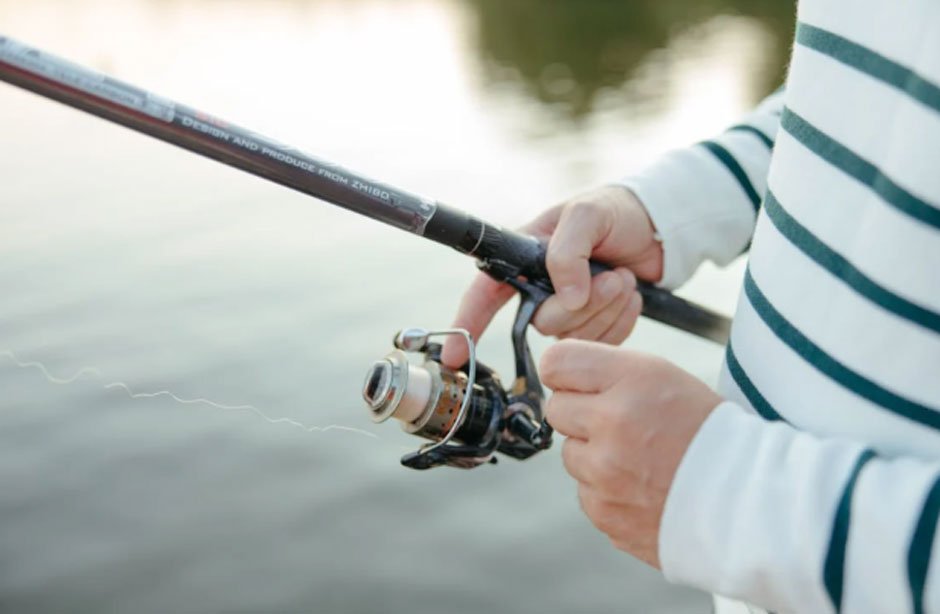
The rod you use controls everything about how you cast. If you choose the wrong one, you’ll have a hard time from the start.
1.Rod Length and Weight That Work
A good fly fishing rod for beginners can handle both small streams and bigger rivers.
Get a rod that is 8’6″ to 9′ long. This length makes it easy to control the line and cast far without being too hard to learn.
The rod weight is the weight of the fly line it can cast, which is rated from 1 to 14. For trout, panfish, and small bass, a 5-weight is the best all-around freshwater choice. A 6-weight gives you more power for bigger flies and windy days.
2.What Your Rod Should Be Made Of
Rod materials matter, but one beats the rest for beginners.
- Graphite wins for first-time buyers. It’s light, strong, durable, and sensitive. These rods give you power while forgiving mistakes.
- Fiberglass works great for small creek fishing, but flexes too much for beginners learning cast timing.
- Bamboo looks beautiful but costs too much, breaks easily, and weighs more than you want.
Stick with graphite. Today’s entry-level graphite rods use advanced materials that trickle down from expensive models. You get better performance than premium rods ten years ago at beginner prices.
3.Rod Action Explained
Rod action means how much and where your rod bends during casting.
- Slow action bends deep into the handle area. You need perfect, slow timing that’s hard for beginners to learn.
- Fast action only bends at the tip. Great for long casts and windy conditions but punishes timing mistakes. You won’t get the feedback needed to improve.
- Medium action is perfect for beginners. It bends through the top half, forgiving small mistakes while letting you feel the rod work. This feedback teaches you proper casting technique.
Start with medium action – it’s the best teacher.
Finding the Right Reel for Beginners

Your rod casts, but your reel holds line and fights fish. The reel matters less than your rod for beginners, but some features are essential.
1.Getting the Size and Balance Right
Match reel weight to rod weight – 5-weight reel with 5-weight rod. Mismatched combos feel like lopsided seesaws and cause arm fatigue.
Test the balance by holding the assembled rod on your finger just ahead of the grip. It should sit nearly level, not tip heavily toward either end.
2.Drag Systems You Need to Know
Drag systems stop fish from breaking your line when they run.
Click-and-pawl drags are simple – a gear clicks against a cog. They give minimal stopping power, which is best for small fish. You add pressure by palming the reel.
Disc drags use compressed discs (cork, carbon fiber, or synthetic materials) for smooth, adjustable pressure. Beginners need disc drags – they eliminate guesswork when fighting fish and help you land that first big trout instead of losing it.
Modern disc brakes are incredibly smooth and have incredible stopping power. Get a sealed system that keeps dirt and grit out.
3.Reel Materials and What They Mean
Reel materials affect durability and price.
- Composite/Polymer reels use durable plastic or graphite. They’re light and cheap but crack if you drop them hard.
- Cast aluminum reels are made by pouring molten metal into molds. They’re tougher than plastic but still break under heavy impact.
- Machined aluminum reels are carved from solid aircraft-grade blocks. They’re powerful and last forever, but they cost much more.
Beginners should choose well-made cast aluminum or high-quality composite reels. Both offer good durability without breaking your budget.
4.Why Line, Backing, and Leader Matter
Perfect rods and reels mean nothing without a proper line setup. Fly line is the thick, colored line you cast.
Beginners need a Weight-Forward (WF) taper – the front 30 feet is heavier, making the rod load easier and casting simpler. Match the line weight to your rod (5-weight line for 5-weight rod).
Backing is a thin, strong line behind your fly line. It’s insurance when big fish make long runs.
The leader is a clear, tapered line connecting the fly line to your fly. It transfers casting energy smoothly and stays invisible to fish.
Buy pre-spooled combos – they save time, money, and setup headaches.
5.How Much Should You Spend
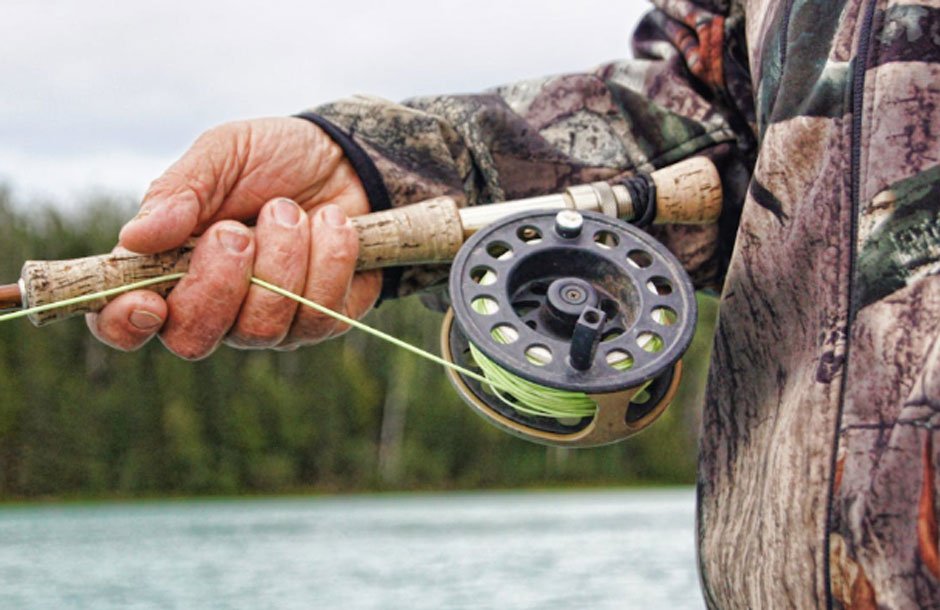
You don’t need a $1,000 setup but avoid those $50 big-box store kits. They’re poorly balanced with terrible rod actions and jerky drag systems that guarantee frustration.
Budget $200-350 for quality gear that lasts. This gets you well-designed graphite rods with medium action, reliable aluminum reels with smooth disc drags, and good fly lines. It is cheaper to invest in quality gear once.
Conclusion
Your first rod and reel combo shape your entire fly fishing journey. Skip the flashy gear and cheap deals. Get a medium-action 9-foot 5-weight graphite rod with a smooth disc drag reel. Spend $200-350 on a quality pre-spooled kit from trusted brands.
Take care of your gear – rinse after use and store properly. Most importantly, practice regularly. Good equipment makes learning easier, but only practice creates those smooth, effortless casts.