
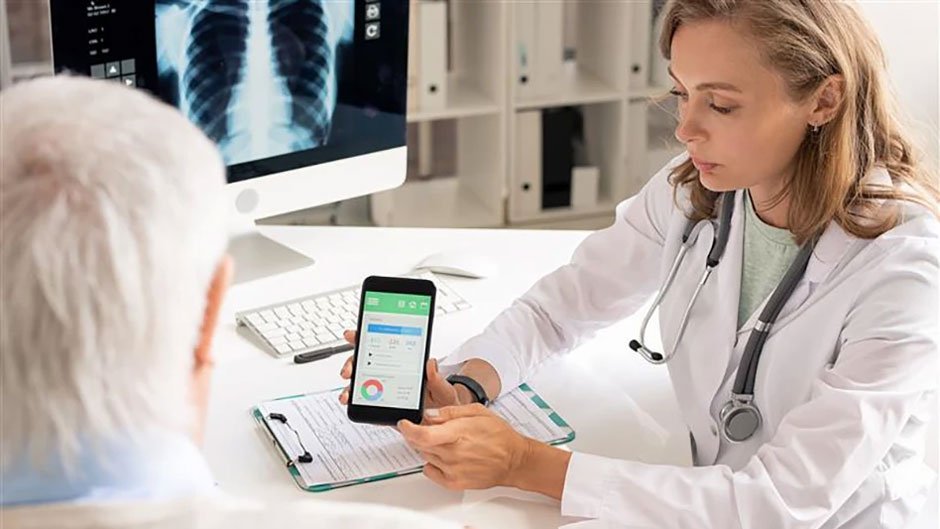
The digitization of healthcare has steadily evolved over the past two decades, but Software as a Medical Device (SaMD) is redefining the speed and scope of that transformation. SaMD refers to software solutions designed for medical purposes, which function independently of any physical medical device. This distinction is critical because it shifts innovation away from hardware dependency and toward nimble, cloud-based tools that are adaptable, scalable, and responsive to real-time medical needs.
As healthcare systems face unprecedented pressures — including aging populations, chronic disease burdens, and clinician shortages — SaMD offers a powerful mechanism to extend care delivery beyond traditional boundaries. From AI-powered diagnostic platforms to remote patient monitoring systems, these software solutions are rapidly becoming integral to clinical workflows. SaMD enables healthcare providers to deliver precision care through digital channels, optimizing everything from diagnosis to post-operative management.
What sets SaMD apart from other digital health technologies is its regulatory classification and clinical responsibility. Unlike general wellness apps or consumer health trackers, SaMD must meet rigorous standards for safety, efficacy, and clinical validation. These standards help ensure that the software is not merely supplemental but central to medical decision-making. As regulatory frameworks catch up to technological advancements, SaMD is poised to become a cornerstone of future healthcare delivery models.
Expanding Clinical Capabilities Through Digital Intelligence
The most compelling value proposition of SaMD lies in its ability to enhance clinical capabilities across a broad spectrum of specialties. In fields like cardiology, oncology, and neurology, SaMD tools are providing earlier, more accurate, and more continuous insights into patient conditions. For instance, software platforms that leverage AI to detect arrhythmias or analyze imaging scans are increasingly assisting physicians in making faster and more accurate diagnoses.
Beyond diagnostics, SaMD is facilitating more personalized treatment pathways. Adaptive algorithms can adjust therapeutic recommendations based on a patient’s ongoing physiological responses or data from wearable sensors. This creates a closed-loop system where care is not just prescribed but dynamically managed. Physicians can intervene sooner, patients stay more engaged, and outcomes improve significantly as a result of this real-time feedback loop.
As these tools become more sophisticated, the line between software and clinician becomes increasingly collaborative. Far from replacing healthcare providers, SaMD augments their capabilities, allowing them to scale their expertise and focus more on high-complexity cases. In emergency care, for example, AI-driven triage tools are streamlining patient flow and prioritization. In chronic disease management, SaMD enables continuous oversight that was previously impossible outside of hospital settings.
Regulatory Challenges and Market Readiness
Despite the evident promise, SaMD introduces new complexities in regulation and market adoption. Regulatory authorities like the FDA and European Medicines Agency have been steadily developing frameworks to ensure safety without stifling innovation. However, the traditional medical device approval pathways often struggle to accommodate the fast iteration cycles inherent to software development. This mismatch presents hurdles for companies aiming to bring clinically effective software to market efficiently.
Regulatory ambiguity can also deter investment in early-stage SaMD ventures, especially those innovating in uncharted clinical areas. Without clear guidelines on clinical trial design, software updates, and cybersecurity standards, many startups find themselves navigating a difficult terrain between innovation and compliance. This is where collaboration between regulators, developers, and healthcare providers becomes essential. Harmonized global standards would help facilitate both safety and scalability for cross-border deployments of SaMD.
Amid these regulatory uncertainties, a growing number of industry players are contributing clarity and thought leadership to the space. Companies like Enlil, Inc. are offering essential perspectives on how SaMD is defined, regulated, and implemented across care environments. Their work helps developers and investors better understand what differentiates regulated medical software from consumer health apps and why that distinction matters. As the ecosystem matures, such guidance will be indispensable to scaling SaMD responsibly.
Transforming Patient Engagement and Experience
Beyond hospitals and clinics, SaMD is also redefining how patients experience care on a daily basis. By offering on-demand access to diagnostic tools, treatment trackers, and even therapeutic interventions, SaMD empowers patients to play a more active role in managing their health. This shift is particularly impactful for individuals with chronic diseases such as diabetes, COPD, or hypertension, where daily self-management is essential to long-term outcomes.
Patient-facing interfaces in SaMD are designed with usability in mind, often integrating behavioral science principles to enhance compliance. For example, gamified interfaces and real-time feedback loops help encourage adherence to treatment plans and medication schedules. The result is not only improved clinical metrics but also greater patient satisfaction and engagement. SaMD bridges the gap between clinical instruction and everyday behavior, making healthcare more continuous and less episodic.
Additionally, SaMD facilitates two-way communication between patients and providers. Instead of waiting for symptoms to escalate or appointments to become available, patients can transmit key health data directly to their clinicians. This promotes timely interventions and reduces the burden on emergency care systems. The constant stream of data also allows providers to adjust care strategies based on real-world patient experiences, leading to more tailored and effective treatments.
Integration With Health Systems and Data Infrastructure
While SaMD offers undeniable benefits, its integration into existing health systems remains a significant challenge. Hospitals and health networks operate with legacy IT systems, many of which are not optimized for real-time interoperability with third-party software. Integrating SaMD into electronic health records (EHRs) and clinical decision support systems requires both technical and organizational transformation, including new data standards and cybersecurity protocols.
Moreover, SaMD relies on continuous data exchange, which raises concerns around privacy, storage, and patient consent. Ensuring HIPAA compliance and aligning with evolving data protection regulations like GDPR is critical. Developers must build platforms that are not only clinically effective but also secure, scalable, and interoperable. This balance between usability and compliance is difficult but essential to achieving widespread adoption.
To support this integration, partnerships between SaMD developers and healthcare institutions are increasingly common. Pilot programs, joint ventures, and co-development initiatives allow for real-world testing and refinement of software tools before broad deployment. These collaborations ensure that SaMD solutions are clinically validated, technically feasible, and aligned with the actual needs of providers and patients alike.
The Road Ahead: Opportunities Imperatives
Looking ahead, the role of SaMD in healthcare delivery is only expected to grow, with implications that extend beyond clinical outcomes. The democratization of care through software could help address global disparities in healthcare access, especially in underserved or remote areas. Cloud-based platforms and mobile diagnostics can extend the reach of high-quality care to regions with limited infrastructure, allowing clinicians to serve more patients at lower cost.
However, the acceleration of SaMD also raises important ethical considerations. As algorithms make more decisions that affect diagnosis and treatment, questions about transparency, bias, and accountability become paramount. It is crucial for developers to build explainability into their systems and for regulators to demand rigorous validation across diverse populations. Ethical design and testing must become standard practices, not afterthoughts.
Finally, the sustainability of SaMD’s impact will depend on continuous learning, both by the systems themselves and by the stakeholders who use them. As AI models ingest more data and refine their predictions, clinicians must also be trained to interpret and apply those insights appropriately. The future of SaMD will not be shaped by technology alone, but by how well it is integrated into the evolving culture and practice of modern medicine.