
Early skin aging, irregular pigmentation, and the premature onset of fine lines and wrinkles leave many wondering why their skin looks older than their age. The reality is that up to 80 % of visible aging is due to UV exposure instead of genetics.
A little bit of daily sun exposure might seem harmless- whether it’s a stroll, sitting near a window or the daily commute — but those brief minutes add up to long-term damage. As you age, collagen begins to degrade, elastin becomes less firm, and oxidative stress causes changes in the texture and firmness of your skin.
This invisible attack over time speeds up aging and raises the risk of cancer of the skin.
Luckily, modern science has armed us with powerful mechanisms to fight back. Sunscreen, when applied properly, is the basis, but it’s incomplete. Mixing smart product application with careful lifestyle choices can significantly lighten the load of UV damage.
This article explores nine tips to consider for ideal photoprotection in daily life.
-
Use Broad-Spectrum Sunscreen Daily
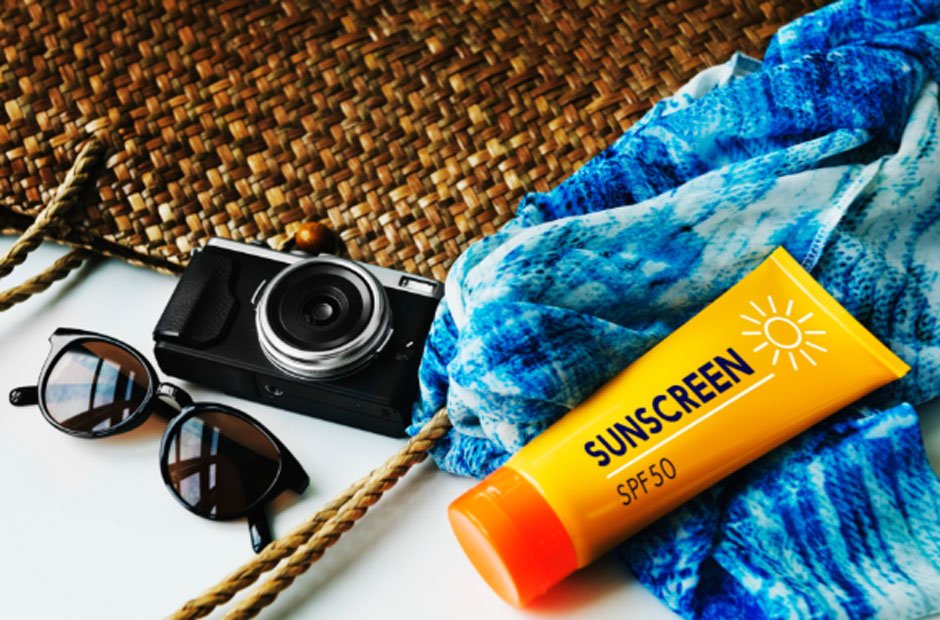
Photoprotection begins with the selection of an appropriate sunscreen.
A broad-spectrum formula is important because it protects your skin from both UVA and UVB rays. UVA rays sink deeper into the dermis and contribute to wrinkles, sagging and discoloration. UVB, on the other hand, causes surface burns and direct DNA damage. Neglecting either, or you leave your skin exposed.
Even on cloudy days, sunscreen is a must. About 80% of UV rays penetrate clouds, so overcast weather doesn’t exactly give your skin a free pass.
Reliable defense is built on consistency, not occasional application. So, consider sunscreen like an invisible skin guard that your skin craves every single day.
-
Choose the Right Sunscreen Formulation
SPF alone doesn’t determine effectiveness. The formulation also matters. Mineral sunscreens containing zinc oxide or titanium dioxide reflect and scatter UV rays. They are so gentle that they are perfect for sensitive or acne-prone skin. However, because they can sometimes leave a white film behind, you may not want to use it every day.
Chemical sunscreens contain filters, such as avobenzone or homosalate, that absorb UV rays and transform them into heat. They typically feel lighter, mix seamlessly, and are the choice for everyday wear under makeup.
Having said that, the very sensitive-skinned person may experience a slight irritation. Hybrid products feature a mineral along with a chemical filter, providing balanced protection with enhanced wearability.
The selection of a formulation that meets the needs of your skin type is a determinant of compliance, which is the cornerstone of photoprotection.
-
Apply the Correct Amount
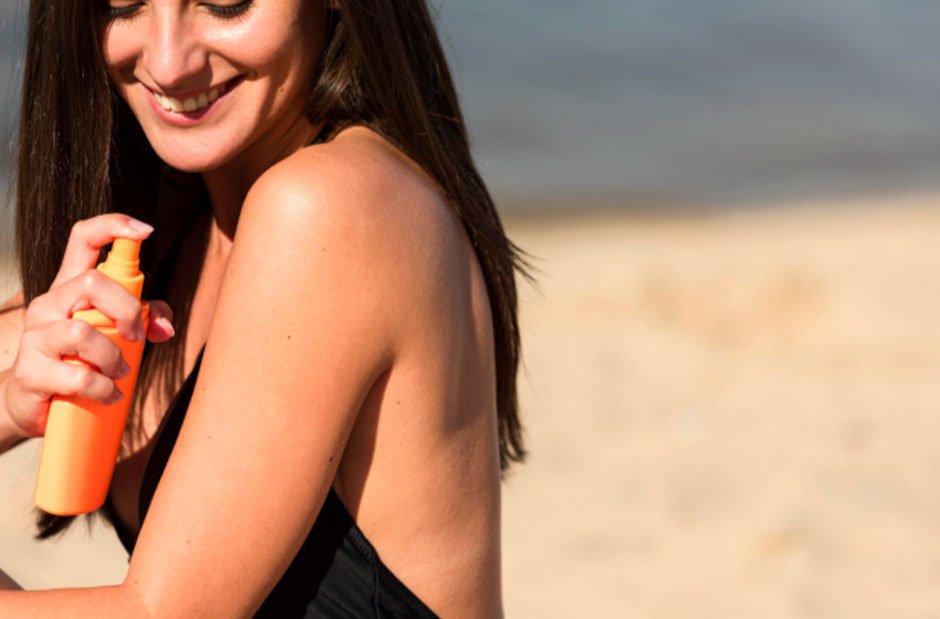
Most people apply less than half the amount they should be, rendering it ineffective. A full ounce, roughly a shot glass, is what it takes to cover face, neck and arms properly. If you under-apply, you leave spaces that UV light can exploit.
Furthermore, spread evenly and don’t forget the often-neglected spots: ears, hairline, and the back of the neck. Accuracy ensures SPF rating matches real-life protection.
-
Reapply Frequently
Sunscreen isn’t permanent. Sweat, water and the natural oils of the skin all lower effectiveness. For long-term photoprotection, do not forget to reapply every 2 hours, especially outdoors. After swimming or towel drying, immediate reapplication is non-negotiable.
Scheduling reminders during peak sun exposure to reapply can make it a ritual, not an afterthought.
-
Match Format to Activity
Different sunscreen formats serve different needs. Creams hydrate dry skin, while gels are better for oily or hairy areas. Sticks are convenient for delicate zones around the eyes, and sprays help with hard-to-reach areas, though they require careful application for even coverage.
Lip protection matters too, so use SPF-infused balms. Matching format to activity ensures protection is practical and consistent.
-
Protect Children Differently
Children’s skin is more permeable, making UV damage deeper and long-lasting. For infants under six months, direct sun should be avoided; instead, rely on shade and protective clothing. For older children, mineral sunscreens are preferred due to gentler formulations. Educating children early about sun safety also builds lifelong habits. Long-term protection starts in childhood.
-
Support Protection with Lifestyle Choices
Sunscreen works best when paired with healthy habits. Diets rich in antioxidants, vitamin C, and omega-3 fatty acids help combat oxidative stress from UV exposure. Avoiding smoking and minimizing exposure to air pollution reduces additional skin stressors.
Even hydration plays a role in maintaining resilience. Photoprotection isn’t just topical—it’s systemic.
-
Use Physical Barriers
Clothing, hats, and sunglasses provide a reliable layer of defense. Wide-brimmed hats reduce facial exposure, while UV-blocking sunglasses protect delicate eye areas. Long sleeves and fabrics with UV protection ratings enhance coverage.
Simple choices, such as seeking shade during midday hours or using tinted car windows, dramatically reduce cumulative sun damage.
-
Make Sunscreen a Daily Habit
Photoprotection is not seasonal. Winter sun reflects off snow, and cloudy days still allow radiation through. Therefore, sunscreen must be part of your morning routine, just like brushing your teeth.
By reframing sunscreen as daily maintenance rather than a vacation product, you protect your skin consistently. Habit formation guarantees long-term results.
Long-Term Skin Defense
Effective photoprotection goes beyond occasional sunscreen use. It involves thoughtful product selection, precise application, frequent reapplication, and reinforcement through lifestyle and physical measures. Each of these nine tips builds upon the others, creating a strong defense against both premature aging and serious skin conditions.
By practicing these strategies consistently, you not only preserve your skin’s health and appearance but also invest in long-term protection that will serve you for years to come.