
Feeling overwhelmed by the climate headlines? It’s easy to think the transition to clean energy is something far off in the future. But what if it becomes apparent that the future is already here?
| State | Primary Renewable Source(s) | Notable Achievement |
| Texas | Wind & Solar | Leads the nation in total renewable energy production. |
| California | Solar & Battery Storage | Global leader in installed solar capacity and energy storage. |
| Iowa | Wind | Generates the highest percentage of its electricity from wind power in the U.S. |
| Vermont | Hydroelectric & Biomass | The first state to generate nearly 100% of its electricity from renewables. |
| Arizona | Solar | A top-tier state for solar energy, both at the utility and residential scale. |
What Makes a State a Renewable Energy Leader?
When identifying the states truly at the forefront of the green transition, it takes more than just a few solar panels. The real leaders demonstrate a deep commitment through impressive generation numbers, ambitious state policies, and innovative technology. These are the states that produce more clean energy than any others, power the majority of their grids with renewables, and pioneer the battery storage technology needed to keep clean energy flowing around the clock.
The five states on this list stand out for their remarkable achievements. They come from different political and geographical backgrounds, proving that the shift to renewable energy is driven by powerful economic and environmental fundamentals that transcend traditional divides. As a recent analysis points out, resource availability and strong economics—not ideology—are the key drivers behind this American energy transformation.
Texas
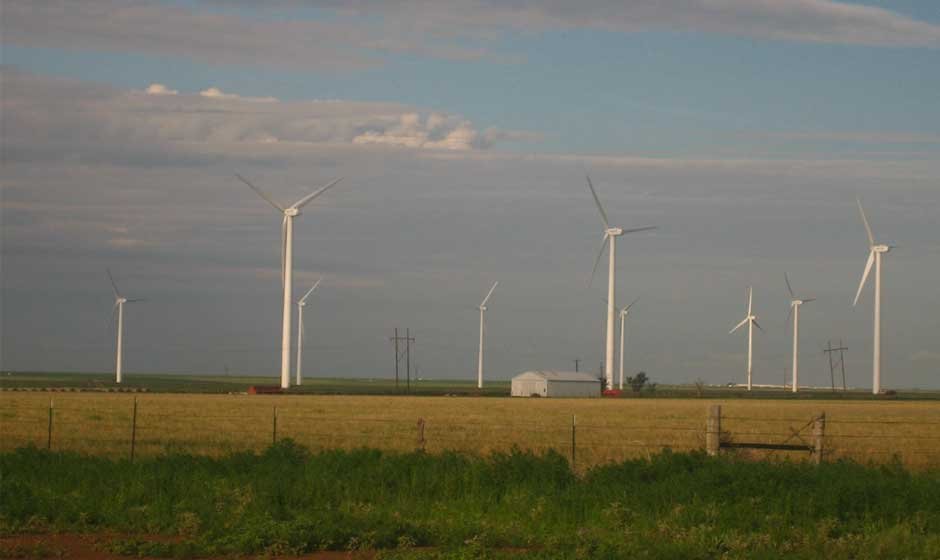
It might be famous for oil, but Texas is the undisputed leader in renewable energy in the United States. The Lone Star State generates more electricity from wind than any other state and is rapidly becoming a solar superpower. This incredible growth showcases how economic incentives and abundant natural resources can create a clean energy boom. In the first half of 2025 alone, Texas was one of the states leading the nation in new solar capacity installation, cementing its role as the backbone of America’s energy future.
This transformation isn’t just happening at the industrial level; it’s being driven by millions of Texans making a conscious choice. When consumers actively select providers that source their electricity from renewables, they send a powerful market signal that accelerates the state’s transition. Companies like Rhythm Energy are at the heart of this consumer-led movement, making it simple for residents to power their homes with clean, Texas-grown energy.
By offering straightforward 100% renewable energy plans, Rhythm Energy empowers Texans to directly support the state’s wind and solar generators. Their transparent pricing and top-rated customer service remove the barriers that once made switching feel complicated. This synergy between innovative energy providers and proactive consumers is a key reason why Texas’s green grid is expanding so rapidly, proving that individual choices collectively create massive, positive change.
California
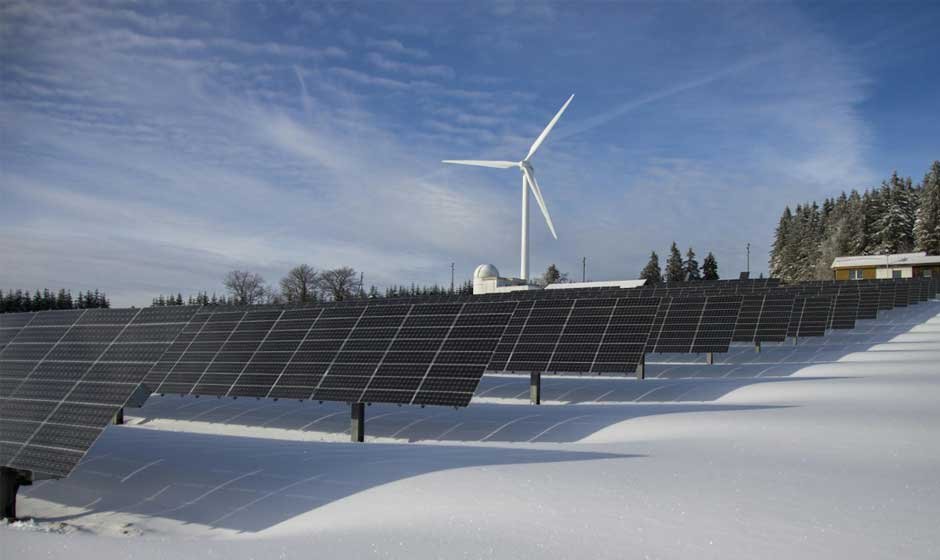
If Texas is the powerhouse of production, California is the leader in ambition and technological innovation. The Golden State has set some of the most aggressive clean energy goals in the world and is a dominant force in both solar power and battery storage. California’s commitment is so vast that if all its utility-owned solar panels were one facility, it would have ranked as the second-largest power plant in the world.
Key to California’s strategy is its massive investment in energy storage. Batteries are crucial for a reliable renewable grid, as they store solar power generated during the day and deploy it in the evening when demand is high. This forward-thinking approach is backed by significant state funding, with the California Energy Commission recently approving $136 million for new decarbonizing technologies, providing a blueprint for how to overcome the challenge of renewable energy’s intermittent nature.
Iowa
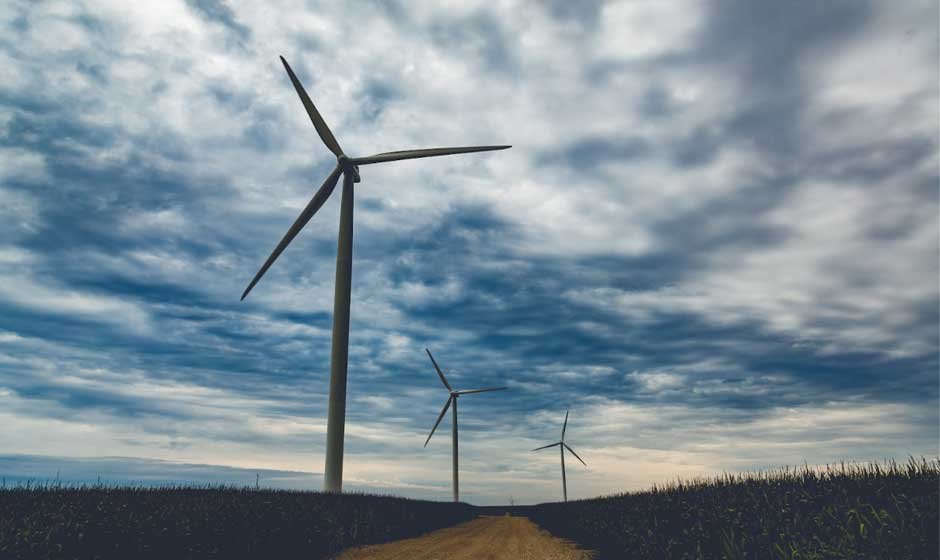
While larger states produce more total energy, Iowa stands out for a different reason: it gets a higher percentage of its electricity from wind than any other state. This achievement demonstrates that wind power can be the primary energy source for an entire state, not just a supplemental one. According to some reports, wind and solar account for a larger share of Iowa’s electricity generation than nearly any other state, proving the viability of large-scale renewable integration.
Iowa’s success is built on decades of smart policy and taking advantage of its location in the heart of America’s wind belt. The results speak for themselves:
- Economic Growth: Wind farms have brought billions of dollars in investment to rural communities.
- Low Energy Costs: Wind is now one of the cheapest sources of new electricity generation.
- Grid Stability: The state has proven that a grid can run reliably with a majority of its power coming from a variable source like wind.
Iowa serves as a powerful, practical example for other states looking to maximize their own natural renewable resources.
Vermont
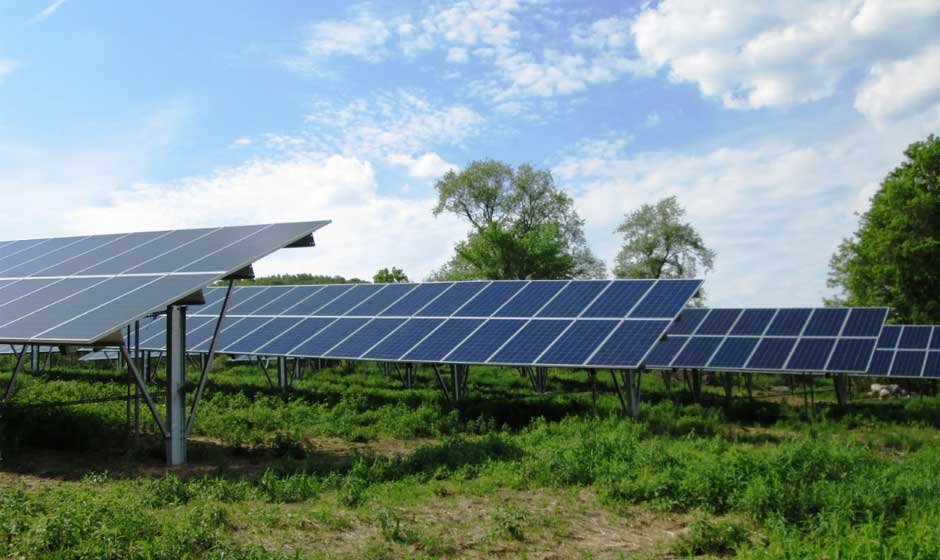
Vermont proves that big achievements can come in small packages. In 2022, it became the first state in the nation to generate nearly 100% of its electricity from renewable sources. This remarkable milestone was achieved through a diverse portfolio of clean energy, with the majority coming from dependable hydroelectric power, supplemented by biomass and a growing solar sector.
Vermont’s success isn’t just about its access to hydropower; it’s also about a statewide culture of sustainability and efficiency. The state has consistently ranked among the best for its energy efficiency programs, which help reduce overall demand and make the 100% renewable goal easier to achieve. By combining large-scale renewables with a strong focus on conservation, Vermont offers a holistic model for a truly sustainable energy system.
Arizona
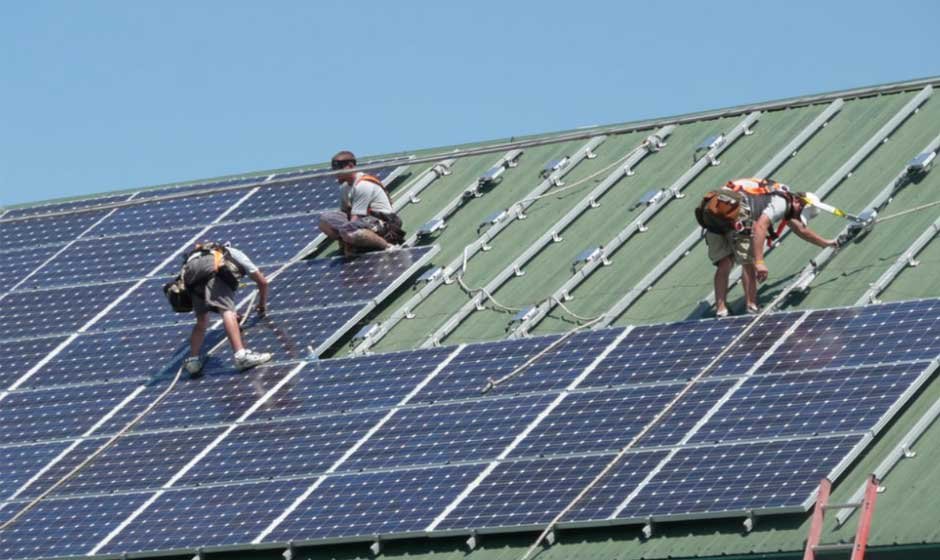
It should come as no surprise that a state nicknamed for its Grand Canyon is a titan of solar energy. Arizona consistently ranks among the top states for solar capacity, leveraging its abundant sunshine to power millions of homes. The state is home to some of the largest solar power plants in the world, and its sunny climate makes it a prime location for both utility-scale farms and rooftop solar installations.
Like Texas, Arizona has been at the center of a recent boom in solar development. The state’s growth is part of a nationwide trend where solar and battery storage are accounting for almost all new electricity added to the grid. This rapid expansion not only helps lower energy costs for residents but also creates thousands of local jobs in the process, proving that a transition to clean energy is a powerful economic driver.
The Clean Energy Transition is Now
These five states, each with its own unique approach, paint a clear and hopeful picture: the renewable energy future is not a distant dream, but a present-day reality. From the wind turbines of Iowa to the solar fields of Arizona, the transition is creating jobs, strengthening economies, and building a more resilient power grid for everyone. Their progress shows that with the right combination of policy, innovation, and consumer choice, a sustainable energy system is within reach for all.
To learn more about how you can make a difference, explore ways to reduce your energy consumption at home or check out our guide to composting for beginners to lower your carbon footprint in other ways.