
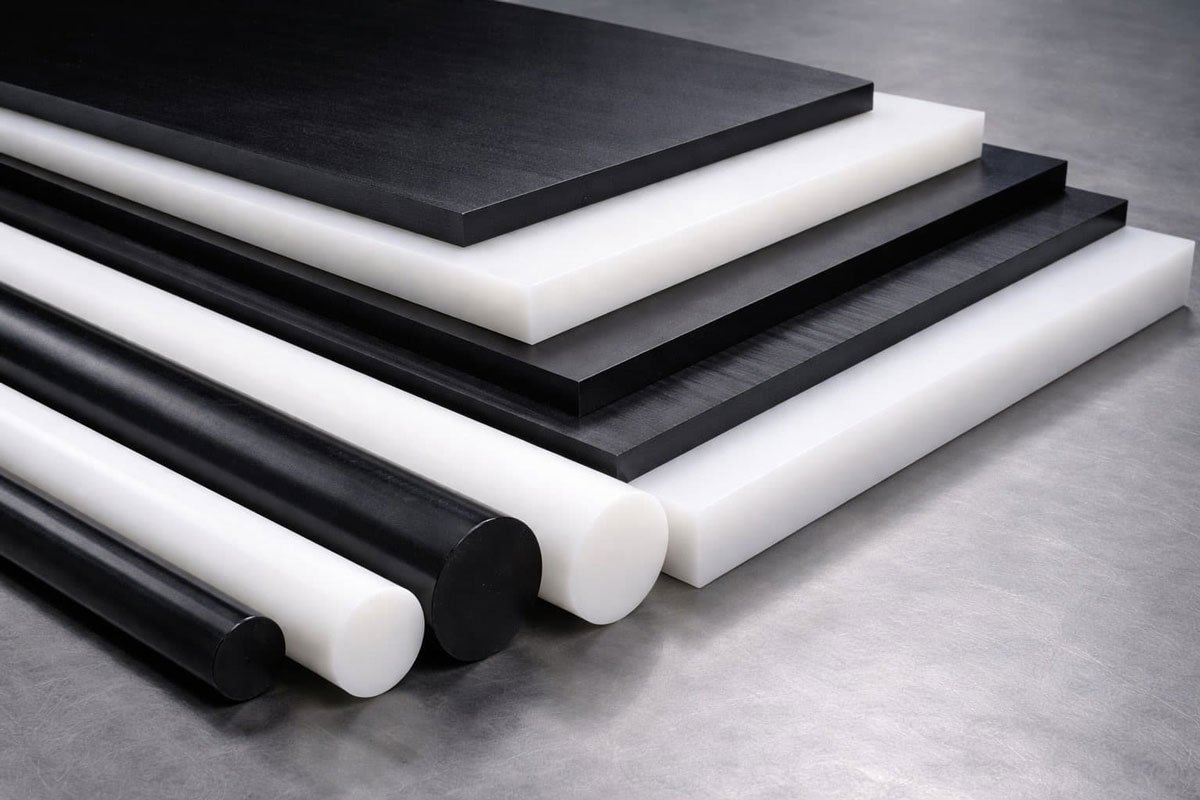
Acetal, often referred to by the technical name polyoxymethylene (POM), stands as a high-performance thermoplastic that bridges the gap between plastics and metals. It’s highly valued across British manufacturing for its high mechanical strength, stiffness, and excellent dimensional stability. Because it absorbs very little moisture, components stay true to their original measurements even when used in humid or wet environments.
Engineers frequently select this material when they need a low-friction surface that resists wear over long periods. It handles consistent stress without deforming, making it a reliable choice for parts that must move or slide against other surfaces. Whether it’s for a small-scale DIY project or large-scale industrial machinery, the versatility of this polymer is hard to match.
1. Precision Mechanical Gears and Bearings
One of the most frequent uses for acetal plastic is in the production of precision gears. Because the material has a natural lubricity, gears made from it operate smoothly without needing constant external lubrication. This is particularly useful in delicate machinery where oil or grease might contaminate other parts of the system.
The high-fatigue resistance of the material ensures that gear teeth don’t snap or wear down prematurely under repeated loads. You can find these components in everything from household appliances to automotive clockwork mechanisms. When manufacturers require tight tolerances, they often turn to acetal sheets and rods to machine custom parts that fit perfectly.
2. Food Processing and Handling Equipment
Acetal is a popular choice for the food and beverage industry because it withstands hot water and various cleaning chemicals. Since it’s chemically resistant, it doesn’t degrade when exposed to the acidic or alkaline substances often found in industrial kitchens or processing plants. Its low moisture absorption means it won’t harbour bacteria as easily as more porous materials. In these environments, you’ll often see acetal used for:
- Conveyor belt rollers and links
- Scraper blades for mixing vats
- Milk and dairy processing valves
- Food cutters and guides
The material is also available in specific grades that are fully compliant with food safety standards. This ensures that any contact with consumables is safe and doesn’t lead to contamination.
3. Electrical Engineering Components
While many plastics serve as insulators, acetal is particularly effective because of its long-term stability. In electrical applications, parts must maintain their shape to ensure connections remain secure. If a material warps due to heat or moisture, it can lead to electrical failure or short circuits.
Engineers use it to create sturdy housings, connectors, and switch components. It’s easy to machine into complex shapes, which allows for the creation of intricate internal parts for electronic devices. Because it’s a tough material, it can protect sensitive internal wiring from physical impact or vibration.
4. Automotive Fuel System Parts
The automotive sector relies on materials that won’t break down when they come into contact with petrol, diesel, or other automotive fluids. Acetal possesses excellent fuel resistance, which is why it’s commonly used to manufacture fuel sender units and pump components. It remains stable even when submerged in fuel for the entire lifespan of a vehicle.
Beyond the fuel system, the material is also used for interior trim clips and door handle mechanisms. Its ability to withstand a wide range of temperatures makes it suitable for the varying conditions found under a car bonnet or inside a cabin during a British summer. Manufacturers appreciate that it provides a lightweight alternative to metal without sacrificing the necessary strength.
5. Conveyor Systems and Materials Handling
In large distribution centres and factories, conveyor systems must run for hours every day with minimal downtime. Acetal’s low coefficient of friction makes it an ideal material for wear strips and guide rails. These parts allow items to slide along the production line with very little resistance, which reduces the strain on the motors driving the system.
Because the material is so durable, it doesn’t need to be replaced as often as softer plastics. This saves businesses money on maintenance and replacement parts. Using rods to create bespoke rollers or sheets to line chutes ensures that the workflow remains constant and efficient.
All in All
Acetal remains a top-tier choice for any application that demands a balance of strength, low friction, and chemical resistance. It’s a material that performs consistently under pressure and provides a cost-effective alternative to heavier, more expensive metals. From the food on our tables to the cars we drive, it’s likely that this versatile plastic has played a part in the process.
If you’re planning a project that involves moving parts or harsh environments, choosing the right grade of POM will make a significant difference to the longevity of your work. Its ease of machining ensures that even the most complex designs can be brought to life with precision.