

Buying hearing aids is not an easy retail choice. You are not just choosing a device; you are making a long-term investment in the way you communicate, work, and connect with people around you.
Yet many people rush the process, based on discomfort, frustration, or confusing information from the web. As a result, they often end up with hearing aids that are uncomfortable to wear, that don’t work well, or that don’t meet their daily needs.
Moreover, there are many options available in the Malaysian hearing care market, and this can be a bit overwhelming if you do not know what you are looking for. Without the right guidance, it is easy to make costly mistakes that impact the comfort and performance.
This article describes the most common errors people make when purchasing hearing aids in Malaysia and how you might avoid them.
1.Purchase Hearing Aids Without Proper Hearing Assessment

One of the most common mistakes that occurs is buying devices without learning about the actual hearing condition that you have. Hearing loss can vary depending on frequency, severity, and ear, so a generic solution is rarely going to work well.
When people look for hearing aids Malaysia, their first instinct is to shop based on price or brand first, rather than looking for a professional hearing evaluation. Without a detailed assessment, the hearing aid may increase the sound volume of the wrong sounds or fail to help with speech clarity. In the long run, it causes discomfort and frustration.
Therefore, an extensive hearing test provides a basis for selecting the appropriate device. It ensures that the hearing aid is programmed to meet your specific needs as opposed to you being forced to adapt to inappropriate amplification.
2.Choice Based on Price Instead of Lifestyle Needs
While budget is important, shopping for hearing aids based on price alone can set you up for disappointment. Many buyers believe that all hearing aids perform similarly, but this is rarely the case. In reality, different devices are associated with different lifestyles and listening environments.
For example, if you are spending time in meetings, restaurants, or being outdoors, advanced noise management and speech clarity features are vital. On the other hand, simpler listening environments may require fewer features.
When price is the only deciding factor, the essential functions may not be present, which affects the daily usability. A better approach is to find a balance between cost and how and where you actually live your life.
3.Ignore Comfort, Fit, and Daily Wearability
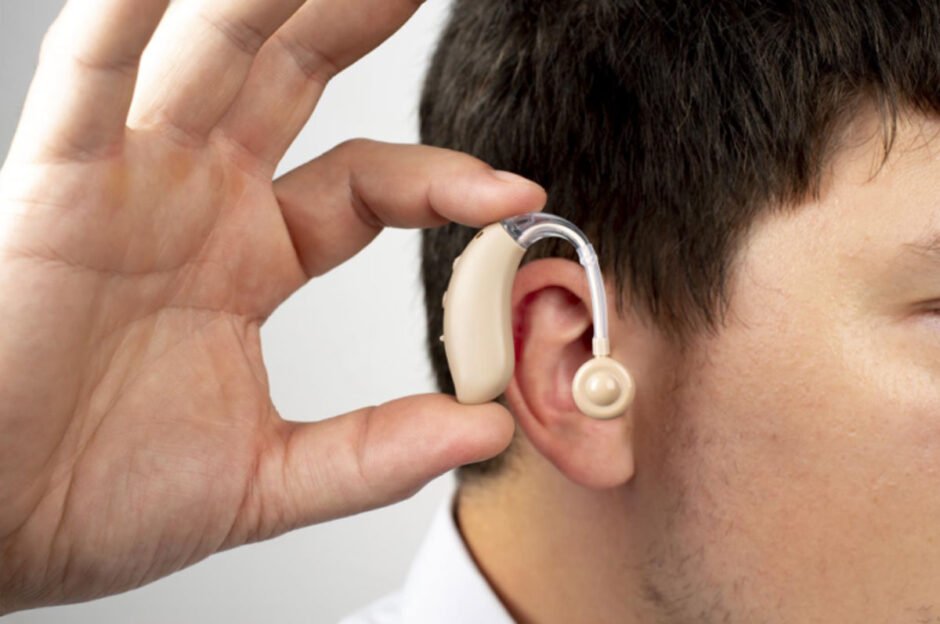
Another common error is not giving enough importance to comfort. Hearing aids are used for many hours every day, and even a small amount of discomfort can be excruciating in the long run. Some buyers only concentrate on performance specifications without considering physical design and fit.
Poorly fitted hearing aids may be the cause of pressure, irritation, or feedback noise. As a result, users take them out frequently, limiting the benefit of constant use. A proper fitting ensures that the device fits snugly and comfortably in or behind the ear.
Additionally, modern designs provide discreet and ergonomic options that allow comfort without compromising sound quality.
4.Overlook Technology Features That Improve Everyday Listening
One more common error is not giving enough importance to comfort. Hearing aids are used for many hours every day, and even a small amount of discomfort can be excruciating in the long run. Some buyers only concentrate on performance specifications without considering physical design and fit. Poorly fitted hearing aids may be the cause of pressure, irritation, or feedback noise.
As a result, users take them out frequently, limiting the benefit of constant use. A proper fitting ensures that the device fits snugly and comfortably in or behind the ear. Additionally, modern designs provide discreet and ergonomic options that allow comfort without compromising sound quality.
5.Skip Professional Fitting, Tuning, and Follow-Up Care
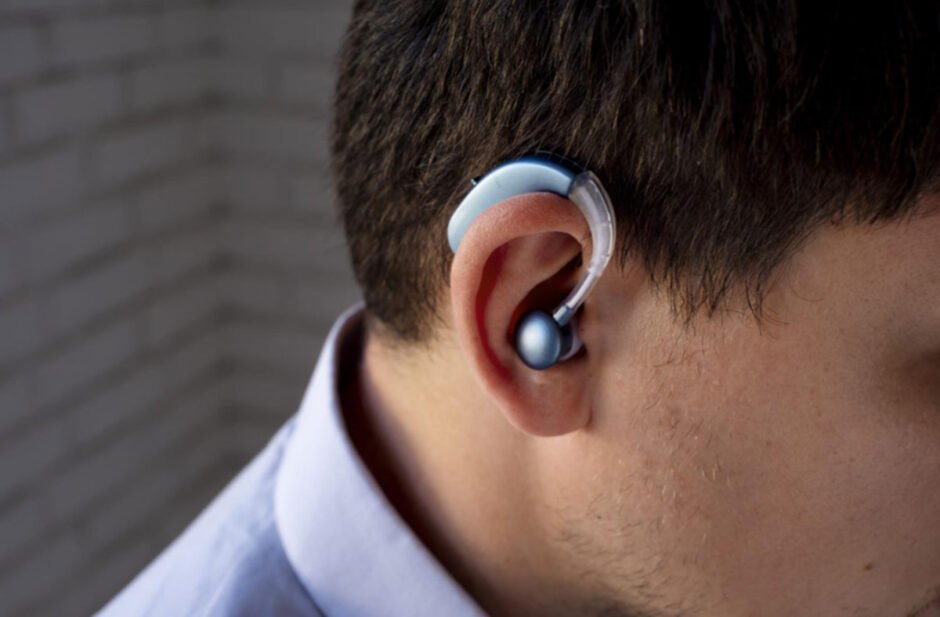
Hearing aid technology has changed dramatically, but many buyers are unaware of the kind of impact these features have on listening experience in the real world. Some assume basic amplification is sufficient, while others opt for advanced features without understanding the purpose.
Features such as directional microphones, noise reduction, and wireless connectivity can dramatically affect the way you hear conversations, phone calls, and media. Ignoring these capabilities may restrict how well the hearing aid works in everyday situations.
Therefore, knowing how technology aids in your routine is an effective way to ensure the technology works with you rather than against you.
Conclusion
Avoiding these common mistakes can make a great difference in your hearing experience. By focusing on important areas such as proper evaluation, lifestyle requirements, comfort, technology, support from professionals, and long-term care, you give yourself the best shot at success.
Hearing aids should improve your life, not complicate it. When carefully selected, they are a good tool that restores clarity, confidence, and meaningful connection.